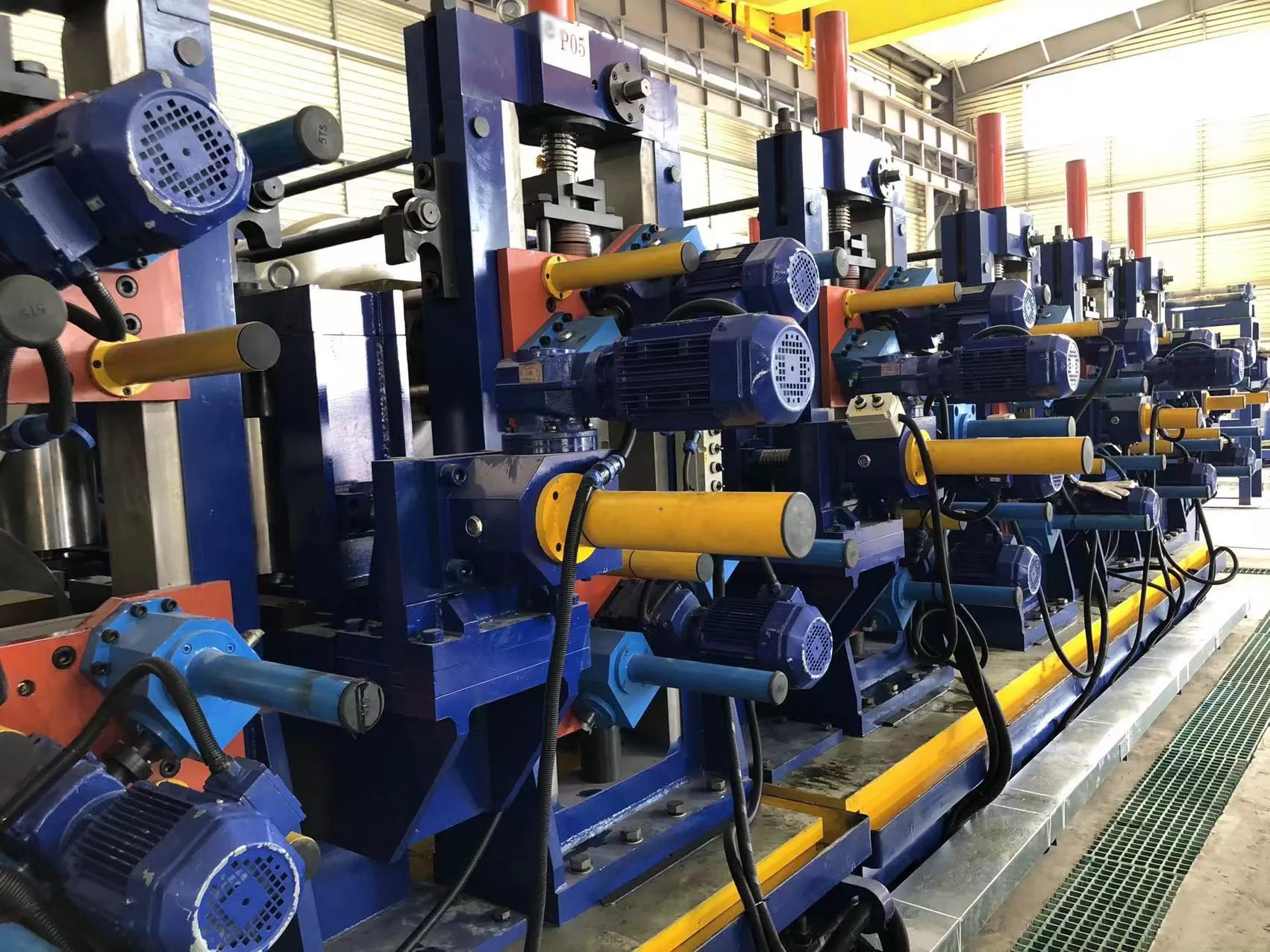
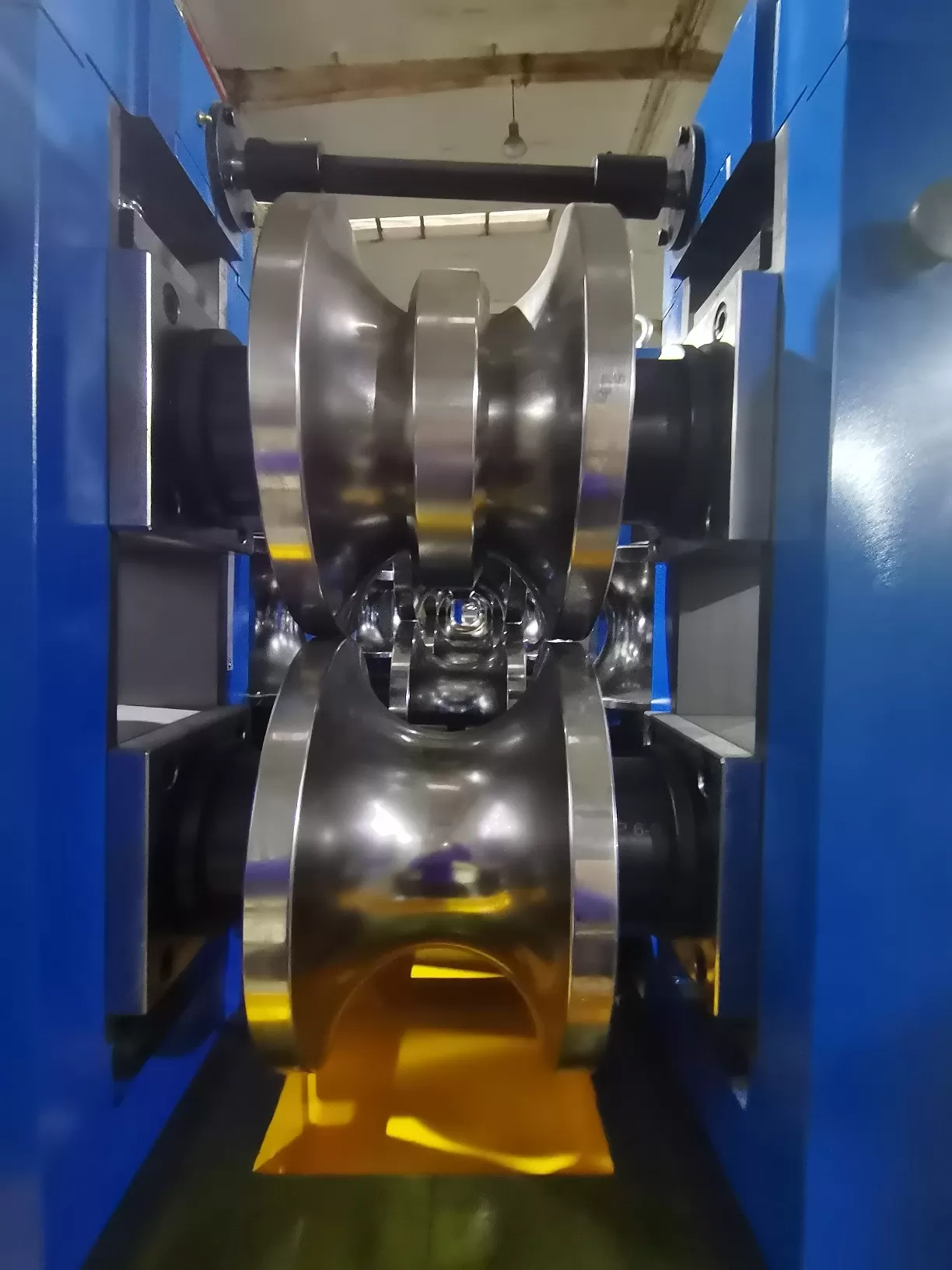
In the world of international welding pipe milling machine manufacturing, precision and efficiency are paramount. One tool that stands out for its critical role is the flying cut off saw. This equipment is indispensable for cutting pipes accurately during high-speed production lines, ensuring seamless operations in industries like construction, automotive, and oil and gas. Brands like SANSO have been at the forefront, innovating to meet global standards. This article dives into practical aspects of using a flying cut off saw, tailored for professionals seeking to enhance their milling processes. We’ll explore key tips that can boost productivity and reduce downtime, all while keeping safety in mind.
What is a Flying Cut Off Saw and How Does It Work?
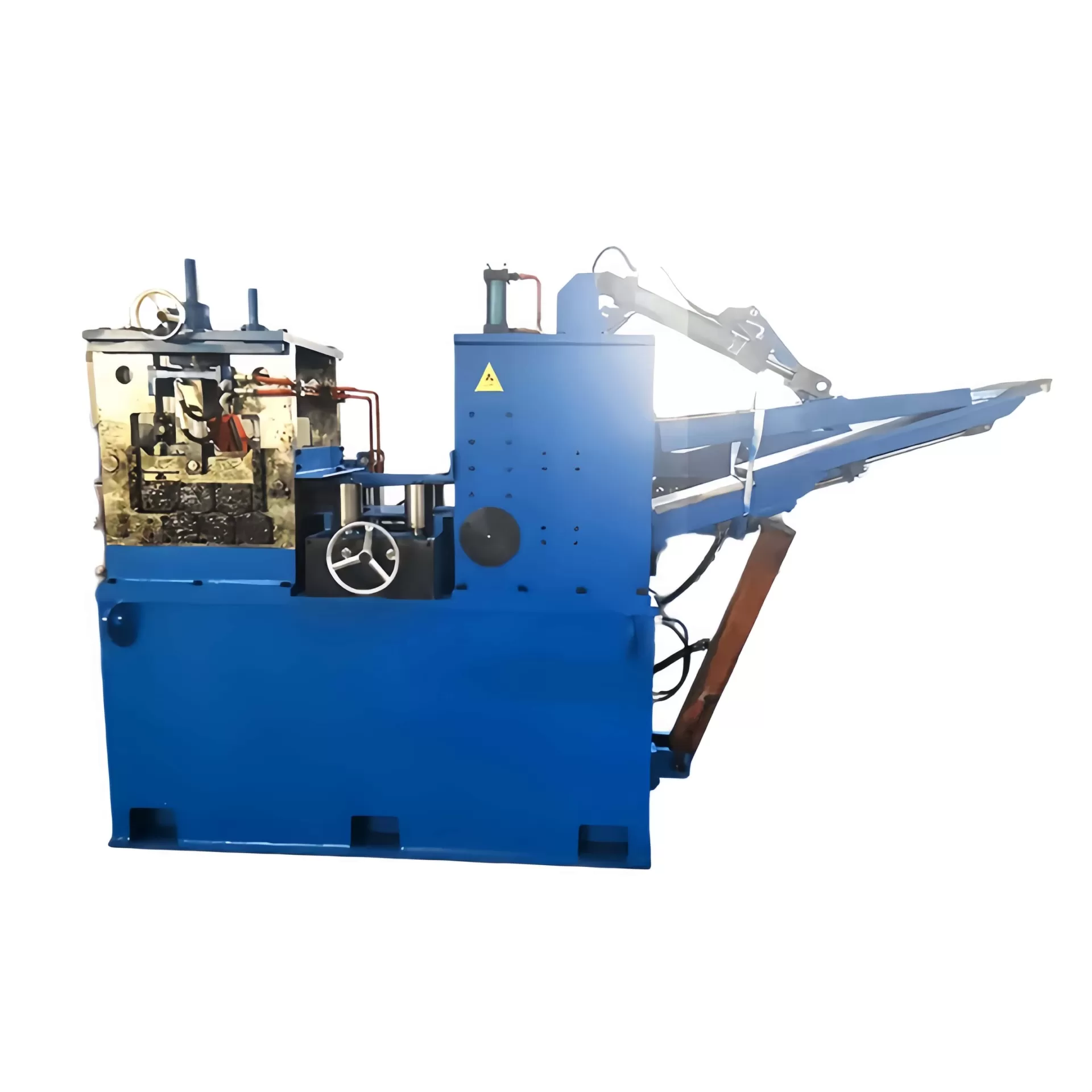
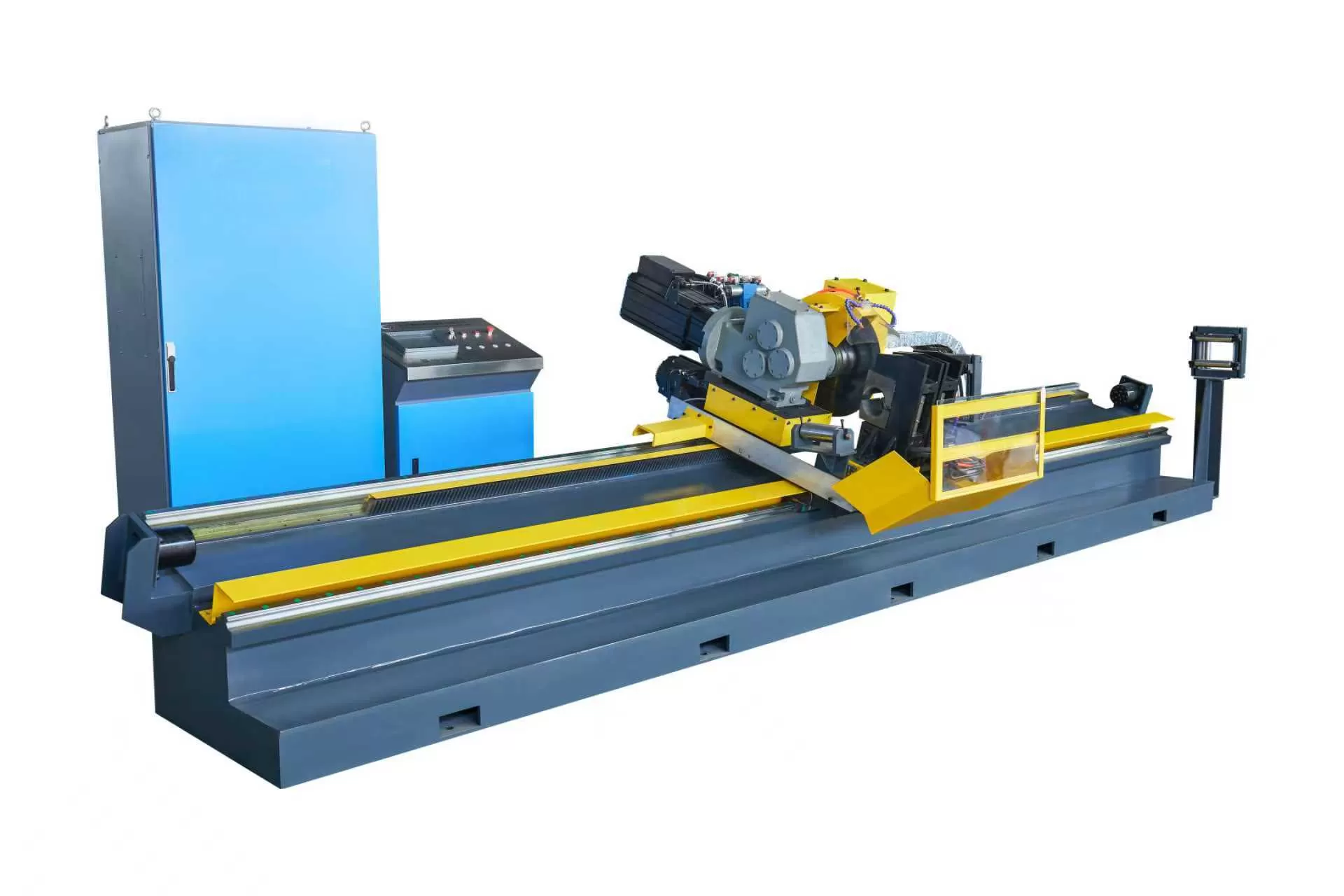
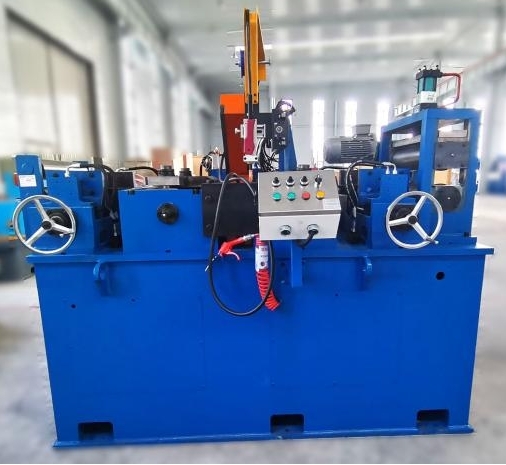
A flying cut off saw is a specialized machine used to cut pipes or tubes while they are in motion on a production line. Unlike stationary saws, it “flies” alongside the material, making precise cuts without stopping the flow. This is crucial in welding pipe milling, where continuous processing is needed to maintain output.
The saw typically operates using a circular blade that descends onto the pipe as it moves. Synchronization systems ensure the cut matches the pipe’s speed, resulting in clean, burr-free edges. This process reduces waste and improves the quality of welded joints. In international manufacturing, such precision is non-negotiable for meeting tight tolerances.
Many modern flying cut off saws incorporate CNC controls for accuracy. Brands like SANSO integrate advanced sensors to adapt to varying pipe diameters and materials. This flexibility makes them ideal for diverse applications, from stainless steel to alloy pipes. Understanding this mechanism helps operators optimize settings for different projects.
Key Applications in Welding Pipe Milling
In welding pipe milling, the flying cut off saw is used primarily for cutting pipes to specific lengths before or after welding. This is common in producing seamless and welded tubes for pipelines, structural components, and mechanical systems. Its ability to handle high volumes makes it a staple in large-scale factories.
For instance, in the oil and gas sector, pipes often require precise cuts to fit complex assemblies. The flying cut off saw ensures each segment meets exact specifications, reducing rework. Similarly, in automotive exhaust systems, consistent pipe lengths are vital for performance and compliance. This tool streamlines these tasks across global supply chains.
Another application is in custom pipe fabrication, where orders vary in size and material. The saw’s adjustability allows for quick changeovers, minimizing downtime. In international settings, this adaptability is key to serving diverse markets. By leveraging a flying cut off saw, manufacturers can enhance their competitive edge.
Benefits of Using a Flying Cut Off Saw
The primary benefit of a flying cut off saw is increased productivity. By cutting pipes on the fly, production lines don’t need to halt, leading to higher throughput. This is especially valuable in high-demand industries where time savings translate to cost reductions. Studies show that integrating such saws can boost output by up to 30% in pipe milling operations.
Accuracy is another major advantage. These saws deliver precise cuts with minimal deviation, which is critical for welding integrity. Poor cuts can lead to weak joints or leaks in pipelines, causing safety hazards. With a flying cut off saw, edges are smooth, ensuring better weld penetration and stronger final products. This reliability is why many top manufacturers rely on them.
Durability and low maintenance are also notable. High-quality models, like those from SANSO, are built to withstand harsh industrial environments. They feature robust blades and cooling systems that extend tool life. This reduces operational costs over time. Additionally, safety enhancements, such as enclosed cutting zones, protect workers from debris and accidents.
Technical Considerations for Optimal Performance
To maximize a flying cut off saw’s performance, consider blade selection. The blade must match the pipe material—for example, carbide-tipped blades for hard metals. Dull blades can cause ragged cuts and increase wear on the machine. Regular inspection and replacement are essential. In international manufacturing, sourcing quality blades locally can streamline maintenance.
Speed synchronization is crucial. The saw must track the pipe’s velocity accurately to avoid mis-cuts. Advanced models use servo motors and encoders for real-time adjustments. Calibrating these systems periodically ensures consistency. For welding pipe milling, even slight errors can compromise entire batches, so attention to detail here pays off.
Coolant and lubrication systems play a role too. They prevent overheating and reduce friction, extending blade life. In high-speed operations, like those with SANSO equipment, integrated cooling units maintain optimal temperatures. This is vital for cutting heat-sensitive materials without deformation. Operators should monitor fluid levels and cleanliness regularly.
Maintenance and Safety Tips for Long-Term Use
Regular maintenance keeps a flying cut off saw running smoothly. Start with daily checks: inspect blades for damage, clean debris, and verify alignment. Monthly tasks might include lubricating moving parts and testing safety features. In international workshops, adhering to a schedule prevents unexpected breakdowns that disrupt global shipments.
Safety cannot be overstated. Always wear protective gear, such as goggles and gloves, when operating the saw. Ensure emergency stop buttons are accessible and functional. Training staff on proper procedures reduces accident risks. For instance, in pipe milling, flying sparks or metal chips are common hazards; using guards and extraction systems mitigates these.
When storing the saw, keep it in a dry, dust-free area. Humidity can corrode components, affecting precision. Brands like SANSO often provide maintenance manuals—follow them closely. Investing in routine professional servicing can also extend the machine’s lifespan, ensuring it meets international safety standards year after year.

Integrating a Flying Cut Off Saw into Your Production Line
Integrating a flying cut off saw requires planning. Assess your production flow to determine the optimal placement—usually after milling or before welding stations. This minimizes handling and speeds up processes. In welding pipe manufacturing, seamless integration boosts overall line efficiency, reducing bottlenecks.
Consider automation features. Many modern saws can be linked to PLC systems for automated control. This allows for data tracking and remote adjustments, useful in large-scale international operations. SANSO’s models often include user-friendly interfaces that simplify integration. Training operators on these systems ensures a smooth transition.
Test the setup with sample pipes to fine-tune settings. Adjust cut lengths, speeds, and pressures based on material thickness. Documenting these parameters helps standardize operations across shifts. By methodically integrating a flying cut off saw, manufacturers can achieve consistent quality and faster turnaround times.
In summary, the flying cut off saw is a cornerstone of efficient welding pipe milling, offering precision and speed that drive international manufacturing forward. From blade selection to safety protocols, optimizing its use can lead to significant gains. Brands like SANSO exemplify innovation in this space, providing reliable tools that meet global demands. As industries evolve, embracing such technology will remain key to staying competitive. Remember, a well-maintained flying cut off saw not only cuts pipes but also cuts costs and downtime.
Frequently Asked Questions About Flying Cut Off Saw
Q1: What materials can a flying cut off saw handle in pipe milling?
A1: A flying cut off saw can cut various materials, including carbon steel, stainless steel, aluminum, and alloys. It’s essential to choose the right blade and settings for each material to ensure clean cuts and avoid damage.
Q2: How often should I replace the blade on my flying cut off saw?
A2: Blade replacement depends on usage and material. As a general rule, inspect blades weekly for wear and replace them after cutting 500-1000 pipes or when cuts become uneven. High-quality blades from brands like SANSO may last longer with proper care.
Q3: Can a flying cut off saw be used for non-pipe materials?
A3: While designed for pipes, it can cut other cylindrical shapes like rods or bars. However, ensure the saw is calibrated for the new material’s diameter and hardness to maintain accuracy and safety.
Q4: What safety features should I look for in a flying cut off saw?
A4: Key safety features include emergency stops, blade guards, spark deflectors, and automatic shut-off systems. Models like those from SANSO often incorporate these to comply with international safety standards.
Q5: How does a flying cut off saw improve welding pipe quality?
A5: By providing precise, burr-free cuts, it ensures better fit-up for welding, leading to stronger joints and reduced defects. This consistency enhances overall pipe integrity, crucial for demanding applications in global markets.