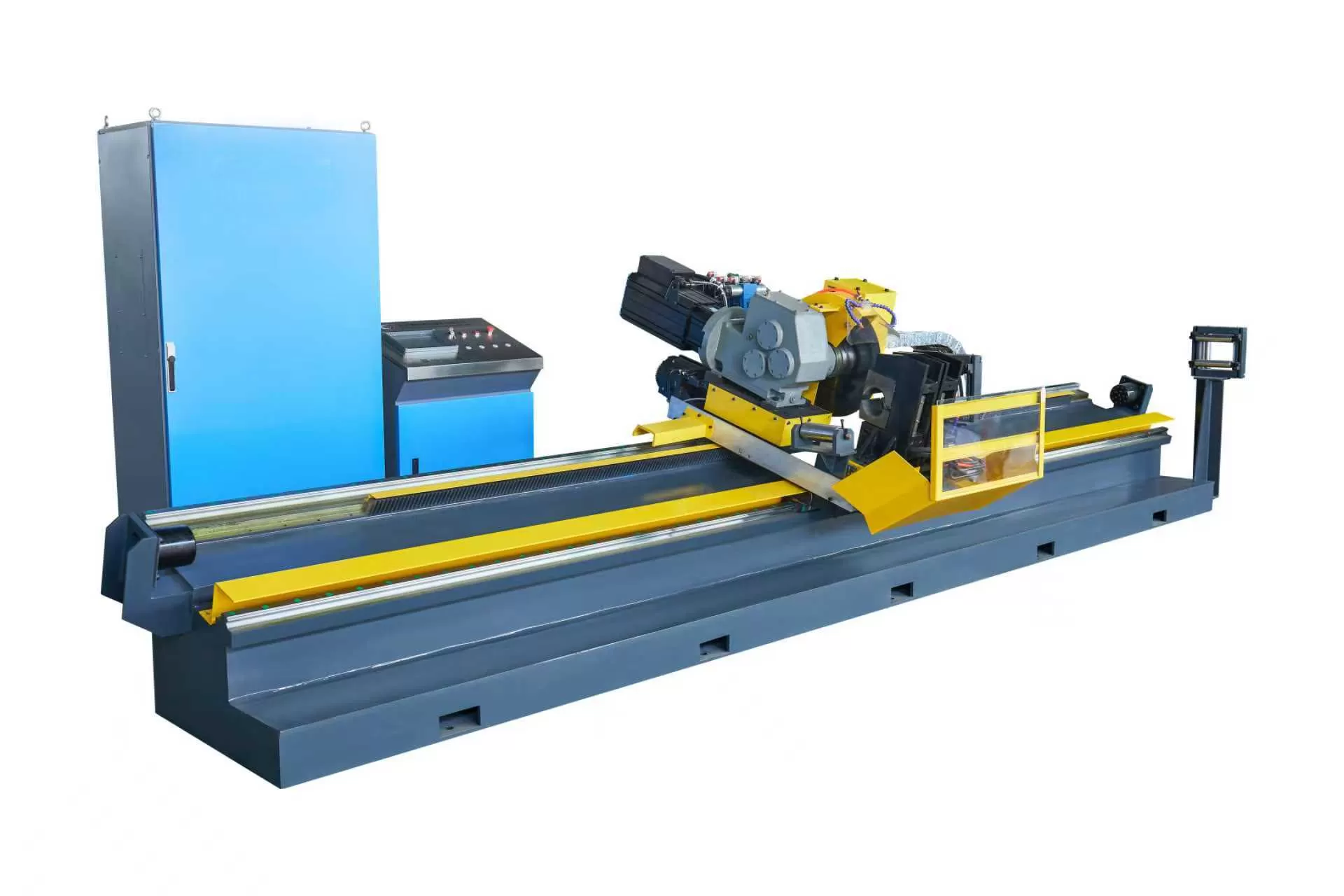
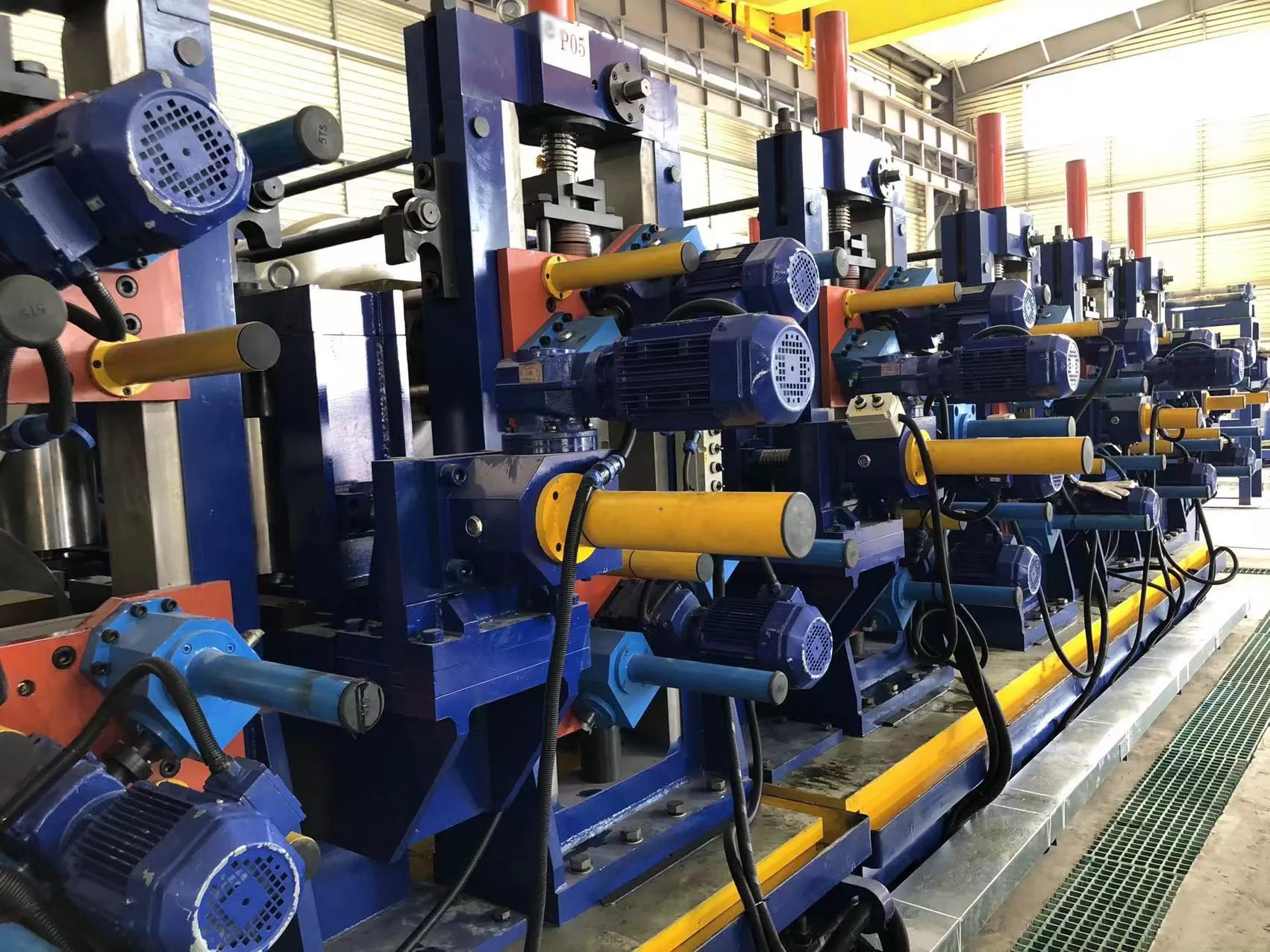
In the world of ERW and high-frequency pipe welding, tube mill rolls are the unsung heroes that shape quality and efficiency. SANSO has specialized in these critical components for over two decades, offering rolls that deliver exceptional wear resistance and dimensional precision. Whether you run a small tube line or a high-speed mill, the performance of your tube mill rolls directly affects downtime and product tolerance. This article covers everything from roll types and materials to maintenance—always with a focus on practical, shop-floor knowledge.
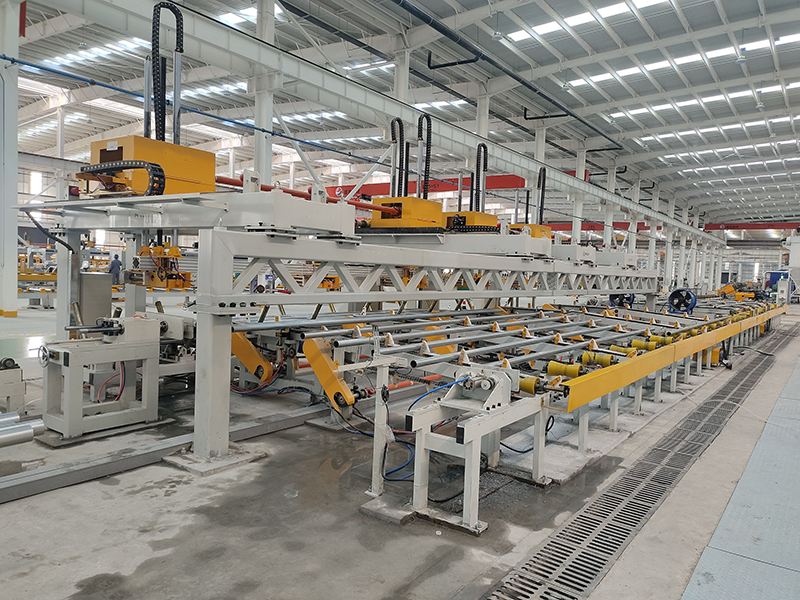
Why Tube Mill Rolls Are the Backbone of Pipe Mills
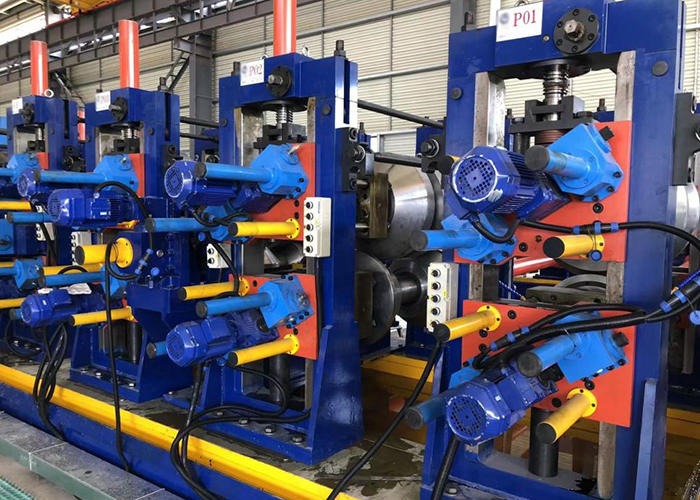
Every welded pipe starts as a flat strip. Through a sequence of forming stands, the strip is gradually bent into a tubular shape. The rolls in each stand—collectively known as tube mill rolls—must exert precise pressure without marking the surface. High-quality rolls minimize vibration and allow smooth transition from strip to pipe. SANSO engineering ensures that each roll profile matches the exact pass design, reducing setup time and scrap.
Modern tube mills demand rolls that can withstand high speeds and abrasive materials. Here are the primary functions:
Breaking down the strip: initial forming rolls (breakdown) create a U-shape without edge buckling.
Fin passes: close the gap and prepare edges for welding.
Sizing and shaping: final rolls achieve exact diameter and roundness.
Main Types of Tube Mill Rolls You Need to Know
Different mill stands require different roll geometries. Below we break down the most common categories used in carbon, stainless, and non-ferrous tube production.
Breakdown Rolls
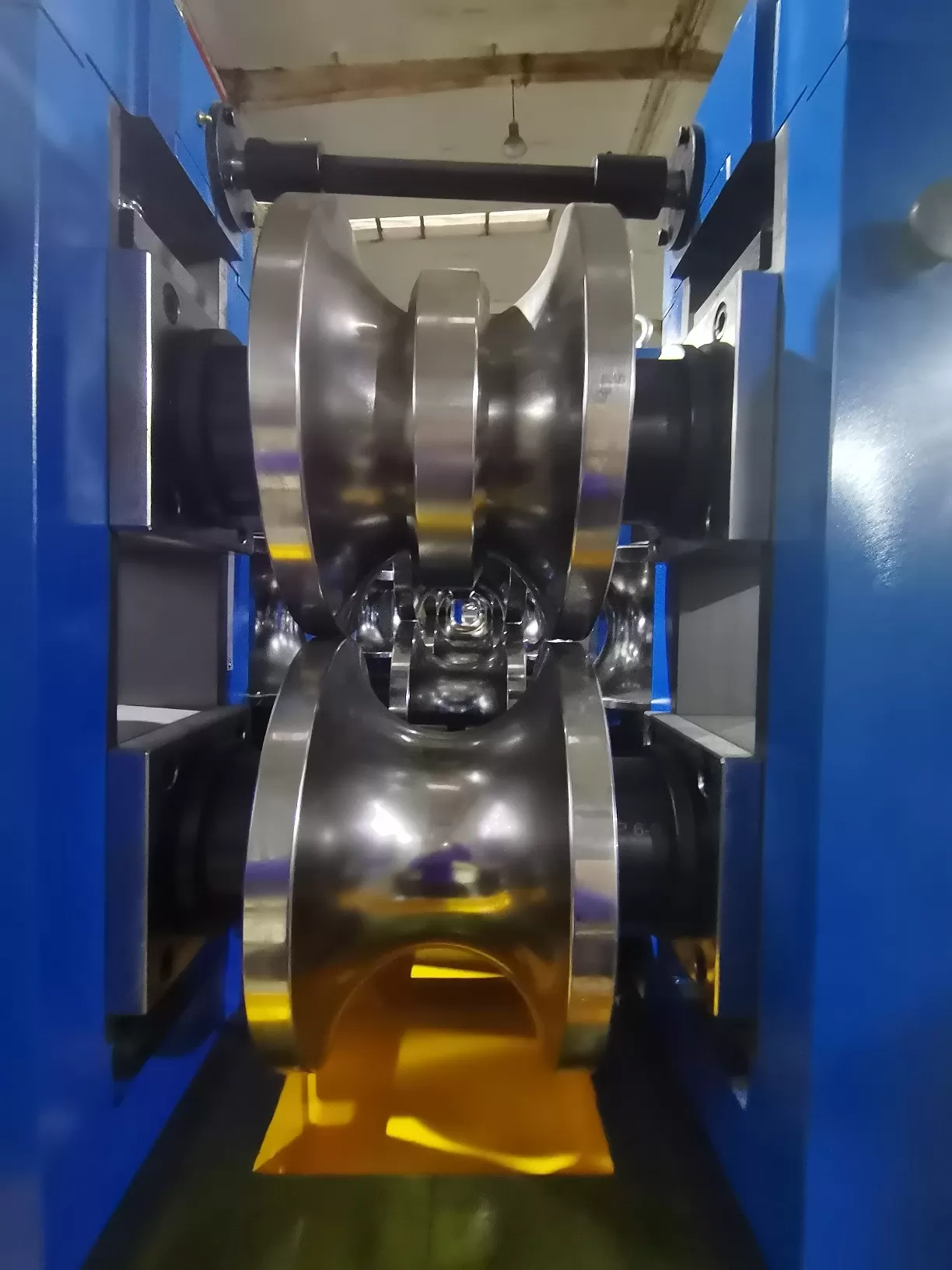
Located at the entry section, these tube mill rolls feature deep grooves that progressively form the flat strip into an open tube. SANSO's breakdown rolls are made from air-hardened tool steel to resist wear from scale and edges.
Fin Pass Rolls
After the welding zone, fin-pass rolls guide the pipe while applying light pressure. They ensure that the weld bead is properly consolidated. Precision here prevents "spike" marks and uneven wall thickness.
Sizing and Turk's Head Rolls
The final dimensions are set by sizing rolls, often followed by turk's heads for shaping square/rectangular tubes. Tube mill rolls in this stage require mirror-like finishing to avoid scratching the tube surface.
At SANSO, every roll is CNC-ground and dynamically balanced, ensuring that even at 100 m/min line speed, your tube mill rolls run true and last longer.
Materials & Coatings: Extending the Life of Tube Mill Rolls
Roll material directly affects production cost and product quality. Common choices include:
D2 tool steel: high wear resistance, good for long runs of carbon steel.
M2 high-speed steel: for abrasive materials like stainless steel.
Chromium plating: applied to tube mill rolls to reduce friction and prevent galling.
Tungsten carbide coatings: used in severe applications where roll life must exceed 500 tons.
SANSO's tube mill rolls can be customized with coatings that match your exact strip material, minimizing downtime for roll changes.
How SANSO Manufactures Precision Tube Mill Rolls
Producing consistent tube mill rolls requires more than just a lathe. SANSO follows a rigorous process:
CAD/CAM pass design – customized to your strip width and thickness.
Vacuum heat treatment – ensures hardness uniformity (58–64 HRC) without distortion.
CNC profile grinding – tolerances within ±0.02 mm on contour.
Dynamic balancing – reduces vibration at high speeds.
Every batch of tube mill rolls is inspected with CMM and surface roughness testers. This obsession with detail is why SANSO is trusted by tube mills in over 40 countries.
Maintenance Practices That Keep Tube Mill Rolls in Top Shape
Even the hardest rolls wear over time. A proactive maintenance plan saves thousands in regrinding and unscheduled stops.
Daily Visual Checks
Look for built-up edge, scratches, or discoloration. Early detection of chipping prevents damage to subsequent stands.
Regrinding Intervals
Most tube mill rolls need regrinding after 200–400 operating hours. SANSO offers regrinding services that restore the original profile with minimal material removal, extending total roll life.
Lubrication and Storage
Always store rolls vertically or on padded racks. Apply anti-rust oil if they will sit idle for weeks. SANSO's tube mill rolls come with storage guidelines to keep them ready for the next run.
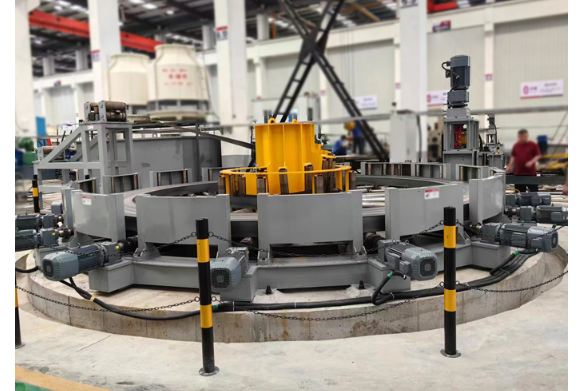
Selecting the Right Tube Mill Rolls for Your Line
Not all rolls are created equal. Consider these factors before ordering:
Strip material: stainless requires tougher roll grades than carbon.
Line speed: high-speed mills need dynamically balanced rolls.
Tube diameter range: family rolls (multi-groove) vs. dedicated single-size rolls.
Bearing type: ensure the roll bore matches your existing shafts.
SANSO provides a technical questionnaire that helps you specify the optimal tube mill rolls for your exact application, avoiding costly trial-and-error.
Future Trends in Tube Mill Roll Technology
The industry is moving toward composite rolls and smart monitoring. Sensors embedded in tube mill rolls can now measure temperature and vibration in real time, alerting operators before a failure occurs. SANSO is actively developing next-generation rolls with extended carbide inserts for ultra-abrasive alloys. As environmental regulations tighten, longer-lasting tube mill rolls also reduce waste and energy per ton of pipe.
From breakdown to sizing, high-performance tube mill rolls are the foundation of profitable tube production. Whether you are upgrading an existing mill or building a new line, partnering with an experienced manufacturer like SANSO ensures you get rolls that deliver consistent quality, less downtime, and lower total cost. Our engineers are ready to support you with custom designs and quick turnaround regrinds. Contact us to discuss your next set of tube mill rolls—and experience the difference precision makes.
Frequently Asked Questions About Tube Mill Rolls
Q1: What is the typical hardness range for tube mill rolls?
A1: Most
tube mill rolls used in ERW lines are heat-treated to 58–64 HRC. For very abrasive materials like high-strength steel, hardness can go up to 68 HRC with special coatings.
SANSO recommends hardness based on your strip type and production volume.
Q2: How often should tube mill rolls be reground?
A2: Regrinding frequency depends on material and usage. On average, after 300–500 tons of production or whenever surface defects appear.
Regular inspection of tube mill rolls helps schedule regrinds before they affect tube quality.
Q3: Can SANSO manufacture tube mill rolls for legacy mills (non-standard bore sizes)?
A3: Absolutely.
SANSO offers custom bores, keyways, and groove profiles to fit any existing mill stand. Just provide your current roll drawings or a worn sample, and we'll match or improve the design.
Q4: What is the difference between breakdown rolls and fin-pass rolls?
A4: Breakdown rolls perform the heavy bending from flat to “U” and “O” shapes; they have deeper, more aggressive profiles. Fin-pass rolls are positioned after welding and gently size the tube while supporting the weld area. Both are critical tube mill rolls but serve distinct stages.
Q5: Do you offer coatings like chrome or tungsten carbide on tube mill rolls?
A5: Yes.
SANSO's tube mill rolls can be hard-chrome plated or coated with tungsten carbide via HVOF. Coatings reduce friction and can triple roll life, especially in stainless or titanium tube production.
Q6: How can I tell if my tube mill rolls are causing weld seam defects?
A6: If you see inconsistent seam appearance or wandering weld, inspect the fin-pass and sizing rolls for uneven wear or misalignment. Using precision-ground
tube mill rolls from
SANSO eliminates most geometry-related weld issues.