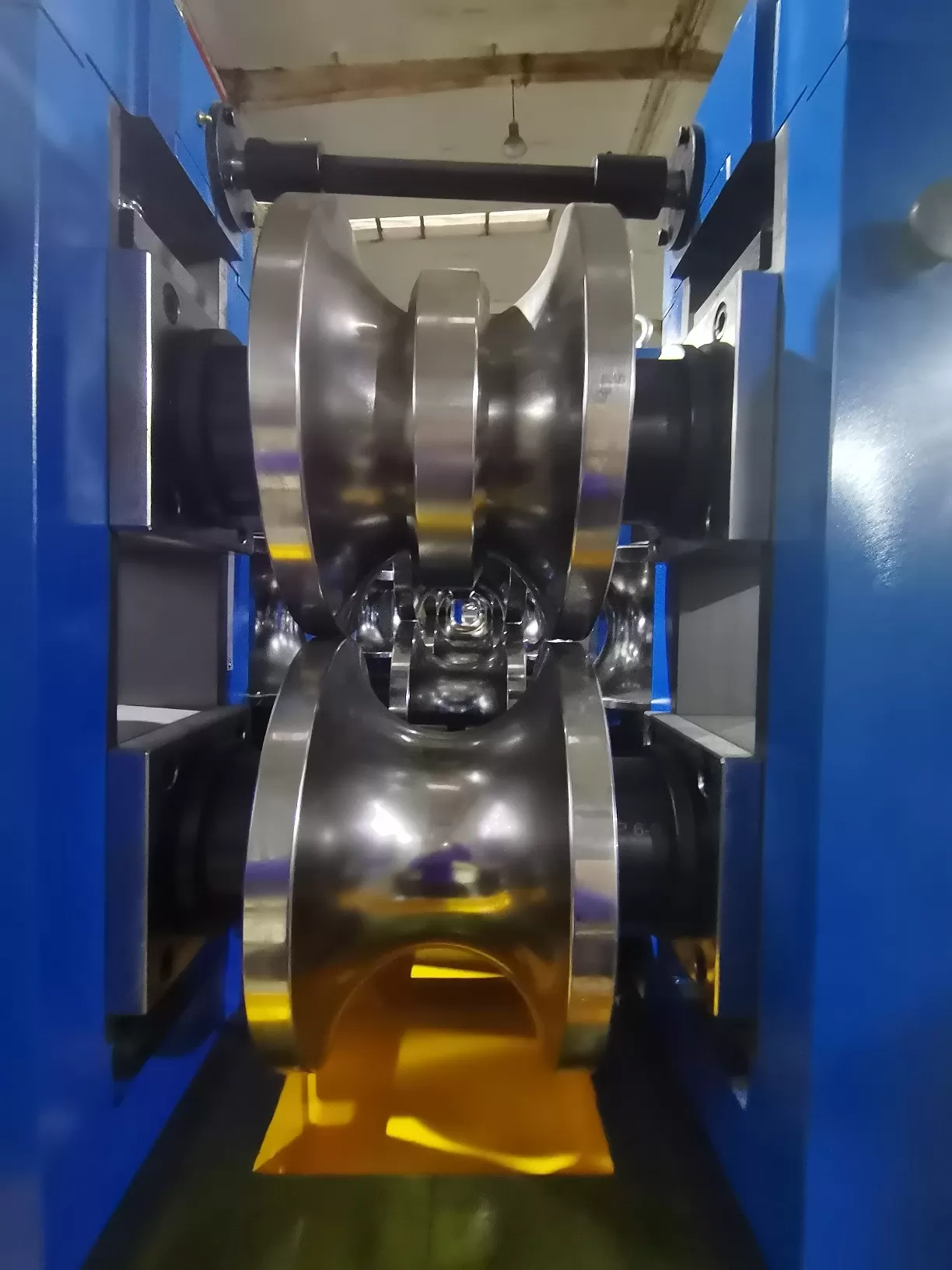
If you’ve ever wrestled with a coil of steel that refuses to feed straight, you know the headache. Wavy edges, camber, and coil set are more than annoyances; theyre production killers. In the high-stakes world of international welded tube and pipe mill manufacturing, your line is only as good as the material you feed into it.
Thats where the decoiler straightener comes in. Its not just an optional add-on. For anyone processing coiled strip into precision tube, its the essential bridge between raw material and a reliable weld. This single machine combines two critical functions—uncoiling and initial flattening—solving multiple problems at once. For manufacturers looking to upgrade their entry section, understanding the role and selection of a proper decoiler straightener is the first step to eliminating scrap and downtime.
Brands that specialize in robust tube mill equipment, like SANSO, often engineer these combined units to be the workhorse of the lines front end.
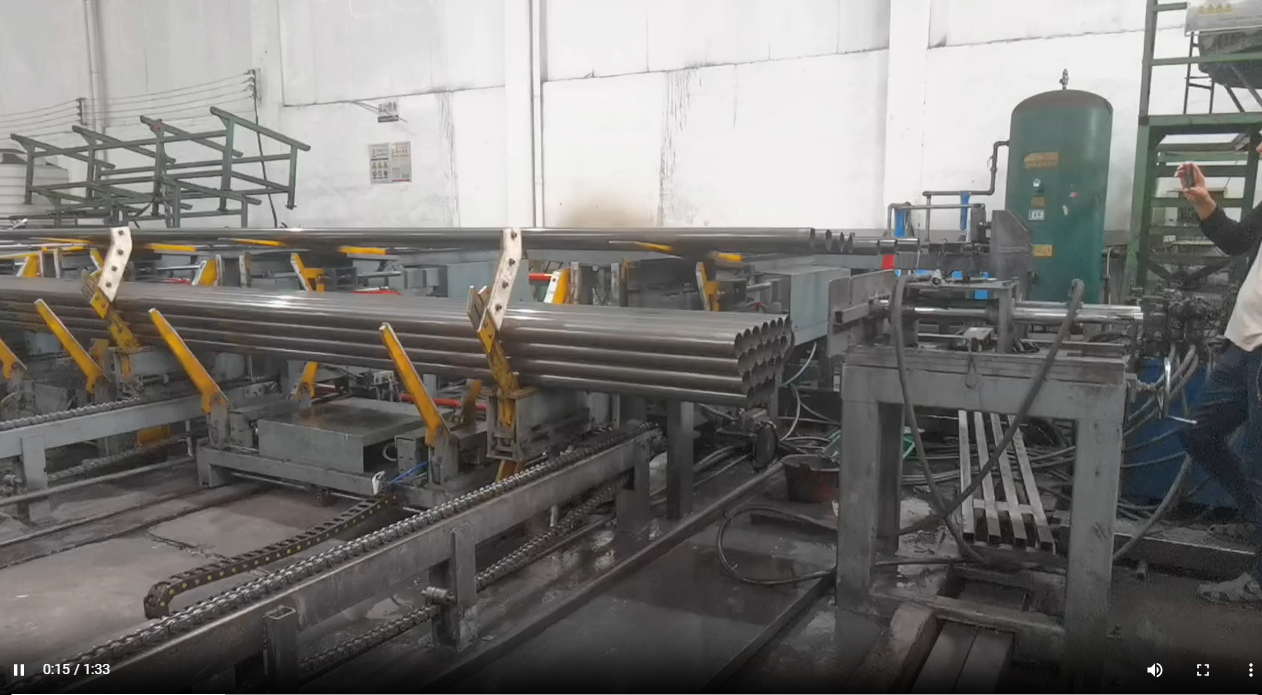
Why a Combined Decoiler Straightener Beats a Standalone Decoiler
Many shops start with a basic decoiler. It gets the coil off the rack and into the line. But it does nothing to correct the materials inherent shape memory from being wound.
A standalone decoiler sends imperfect strip directly into your leveling rolls or the mill itself. This causes misalignment, inconsistent welding, and uneven edge trim. A combined decoiler straightener addresses this right at the source.
The integrated straightening function, typically a set of entry-level leveling rolls or a simple flattener, works out the major coil set and crossbow. This provides a significantly flatter, more stable strip for the subsequent precision leveler and the forming stations. The result is smoother feeding, less wear on downstream tools, and a consistently positioned strip for the weld box.
Key Components of an Effective Decoiler Straightener Unit
Not all decoiler straightener combos are built the same. Knowing the key parts helps you evaluate quality and suitability.
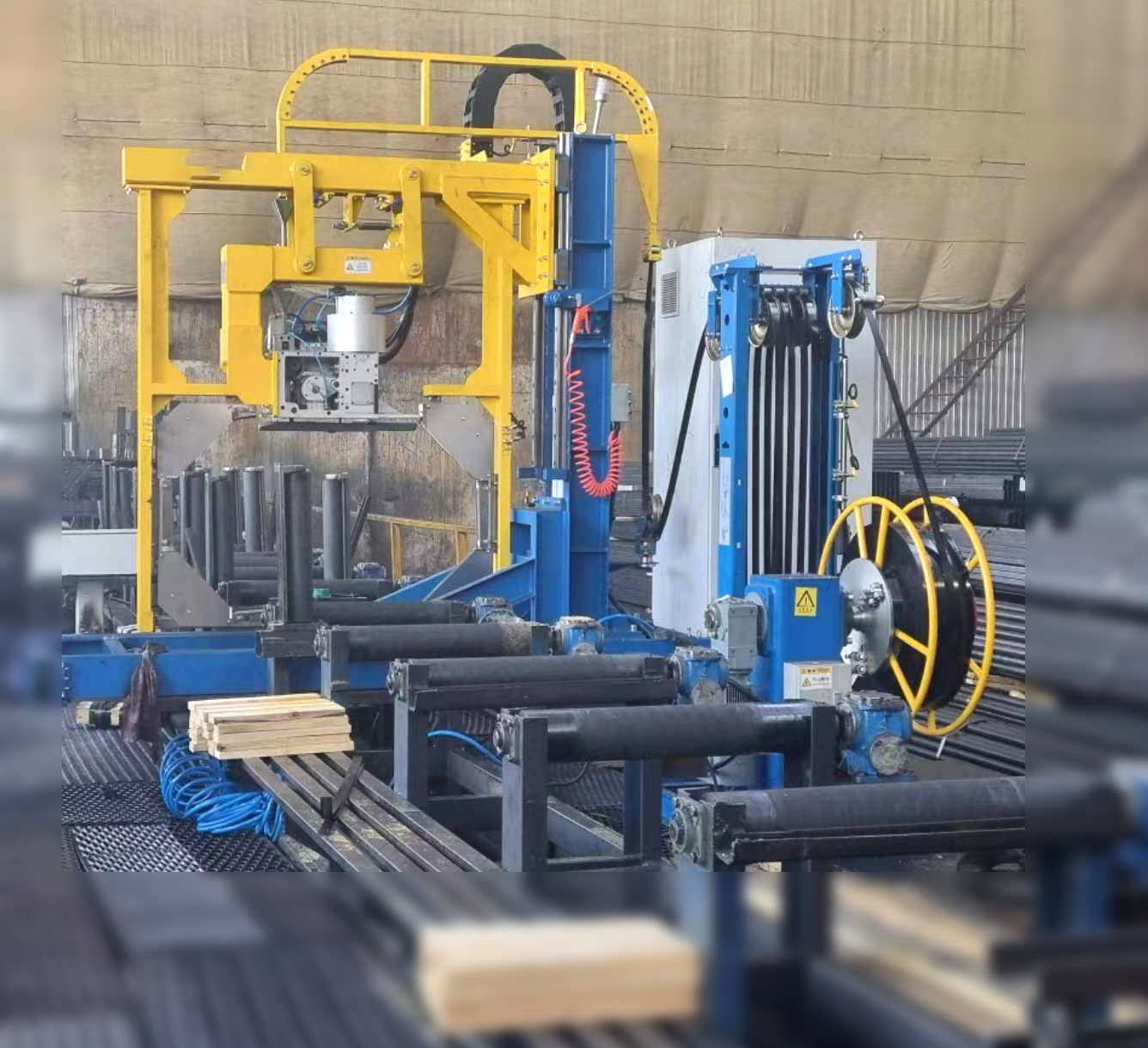
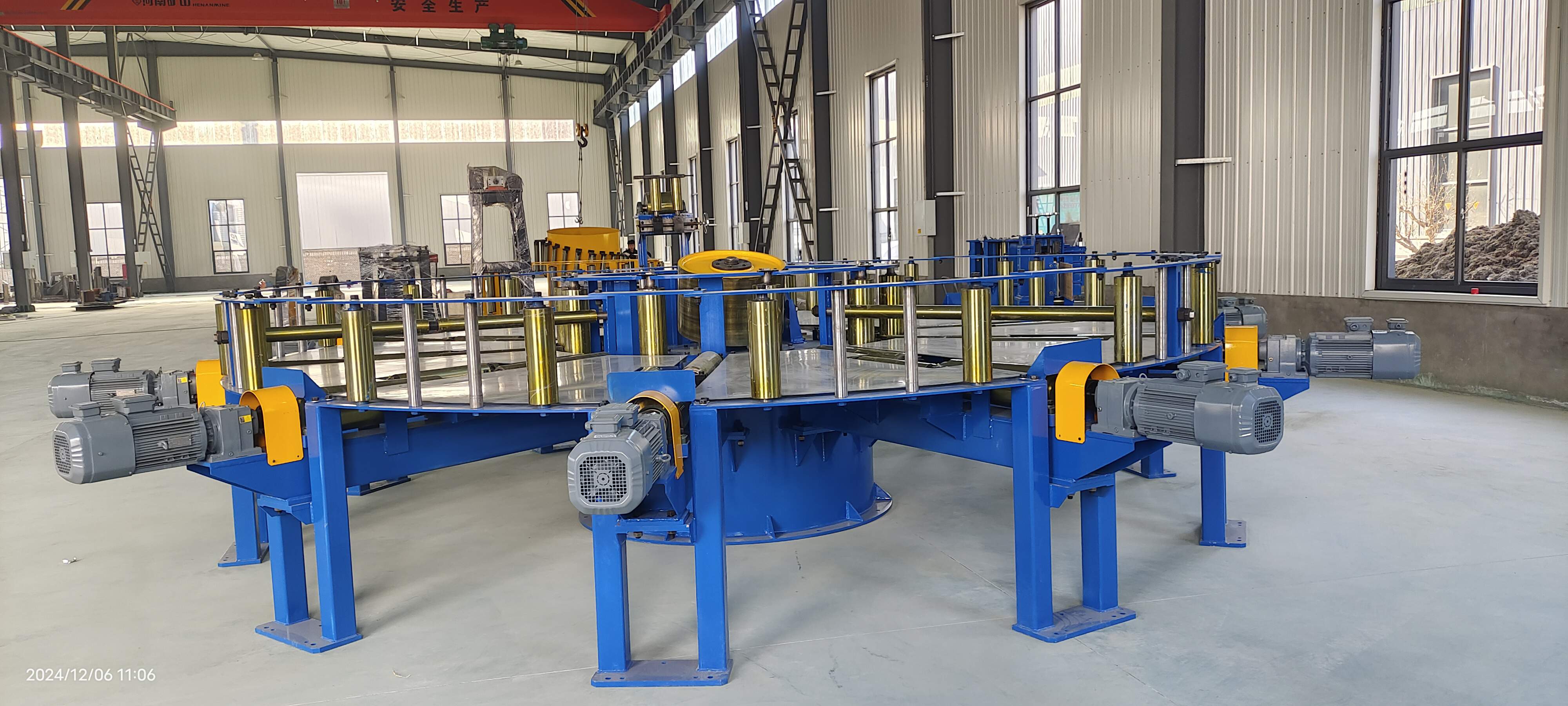
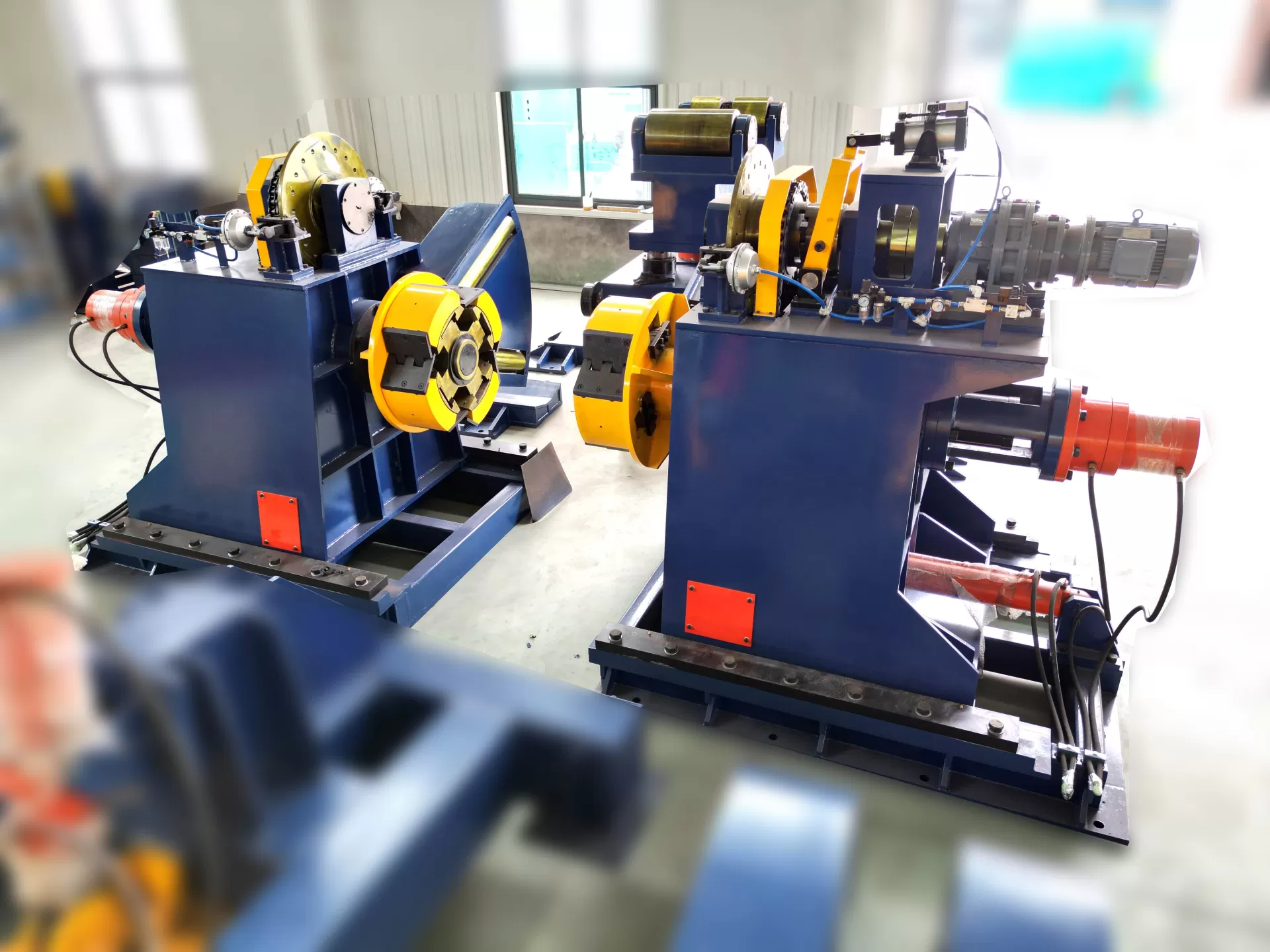
The uncoiling mandrel is the heart. Look for a motorized, expanding mandrel with strong, even grip. Hydraulic expansion is common for medium to heavy-duty models. The mandrel drive needs enough torque to handle your heaviest, tightest-wound coils without jerking.
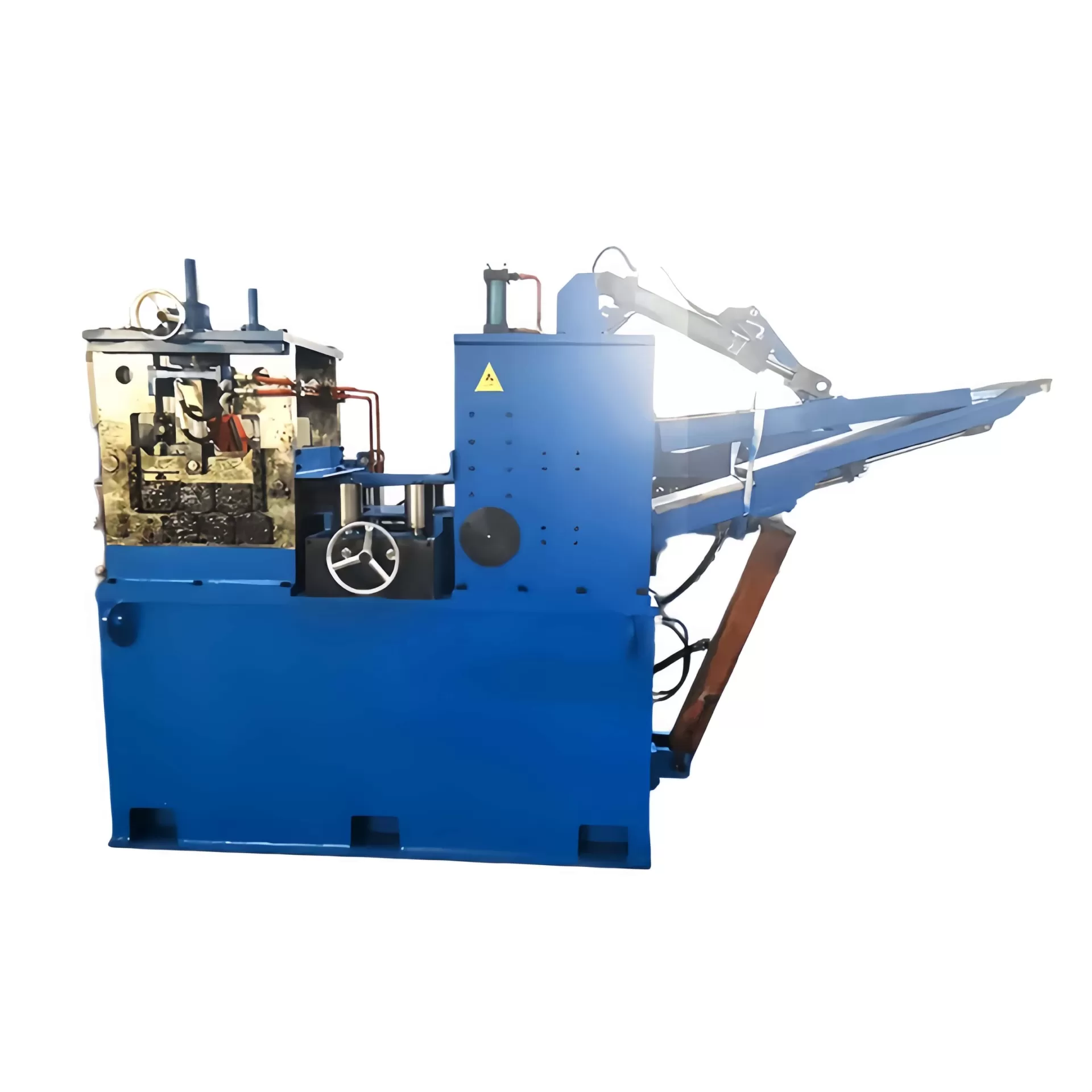
The straightening assembly is what youre paying for. It usually consists of a set of powered entry pinch rolls and several adjustable straightening rolls (often 5 or 7). The adjustability of these rolls is critical—the more control, the better you can handle varying material thicknesses and tempers.
A sturdy, welded base frame absorbs vibration and maintains alignment. Dont overlook the guiding system. Simple side guides or an initial peeler arm help steer the leading edge of the coil correctly into the straightening rolls.
Matching the Machine to Your Material: A Quick Sizing Guide
Buying the wrong size is the most common and costly mistake. The decoiler straightener must match your specific material profile.
First, consider coil dimensions. Know your maximum coil weight (3-ton, 10-ton, 20-ton), outer diameter (OD), and inner diameter (ID). The machines mandrel must physically fit your coils.
Next, focus on material specifications. The machines rated capacity for material thickness (gauge) and width is non-negotiable. Trying to straighten 10mm thick high-tensile steel on a unit built for 2mm mild steel will fail quickly.
Finally, think about line speed. Your decoiler straightener must be able to feed material at the maximum speed of your tube mill. The motor and gearbox must be sized accordingly to avoid becoming a bottleneck.
Common Problems Solved by the Right Decoiler Straightener
Investing in this machine targets several persistent production issues head-on.
Edge Wave and Camber are the top culprits for poor weld alignment. A good straightener section applies controlled pressure across the entire strip width, smoothing out these irregularities before the strip enters the mill.
Coil Set (Longitudinal Curvature) is the strips tendency to remember its coiled shape. The alternating bend-and-straighten action of the leveling rolls fatigues the material past its yield point, breaking this memory and delivering a flat strip.
Inconsistent Feeding caused by irregular uncoiling leads to tension fluctuations. A synchronized decoiler straightener provides a more consistent, controlled feed, which is crucial for maintaining a stable weld point and consistent tube geometry.
Installation and Daily Operation: What to Expect
Proper setup is key to getting the performance you paid for.
Position the unit on a solid, level floor foundation. Misalignment here will cause endless tracking problems. Ensure theres adequate space for coil loading, either with an overhead crane or a coil buggy.
During operation, the straightening rolls need to be adjusted correctly. The general rule is to set them slightly deeper for thicker/harder material and lighter for thinner/softer stock. It often requires some fine-tuning at the start of a new coil. Operators should be trained to listen for changes in motor sound and watch for strip marking, which indicates incorrect roll pressure.
Routine maintenance is straightforward: regular greasing of all bearings, checking hydraulic oil levels and lines, and inspecting the straightening rolls for wear or scoring.
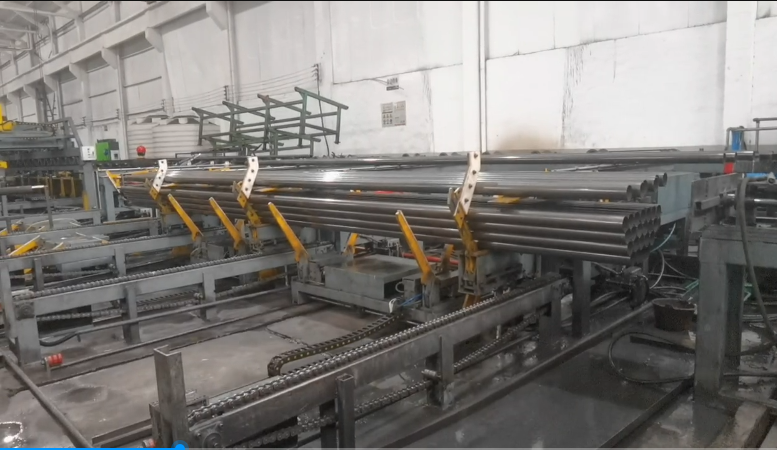
SANSOs Approach to Decoiler Straightener Design
In a market with many options, some brands stand out for their practical engineering. SANSO designs its decoiler straightener units with the daily realities of a tube mill in mind.
Their focus is on durability and ease of use. The frames are heavily constructed to minimize deflection under load. The straightening roll assemblies are designed for quick, tool-free adjustments, allowing operators to make changes without lengthy downtime.
For mills processing a variety of materials, this flexibility is key. The SANSO decoiler straightener aims to be the dependable first stage that operators dont have to worry about, letting them focus on the weld and cut-off.
The Real Cost: Investment vs. Line Efficiency Gains
Its easy to see only the price tag of a new decoiler straightener. The smarter view is to calculate the cost of not having one.
Consider the scrap generated from misaligned welds and bad cuts. Factor in the downtime for operators to constantly manually adjust and fight the material. Add the wear and tear on your forming rolls and welding electrodes from inconsistent feedstock.
A reliable decoiler straightener pays for itself by drastically reducing these hidden costs. It transforms variable raw material into a consistent, predictable input. This stability is what allows a tube mill to run at its optimal speed and quality, shift after shift.
For any serious tube producer aiming for consistency and reduced waste, the decoiler straightener is not an expense—its a fundamental upgrade to the production lines core integrity.
Frequently Asked Questions (FAQ)
Q1: Can I add a straightener to my existing decoiler?
A1: Sometimes, but its often not ideal. Retrofitting a straightener unit to an older decoiler requires precise alignment, a compatible drive system for synchronization, and a strong enough frame to handle the added force. In many cases, purchasing a new, purpose-built decoiler straightener combo is more cost-effective and reliable than a retrofit.
Q2: How many straightening rolls are sufficient?
A2: For most tube mill applications processing common gauges, a 5-roll or 7-roll straightener section is perfectly adequate. More rolls (9 or 11) are typically for precision flattening of very thin material or for heavy-duty leveling of extremely thick plate, which is beyond the scope of a standard combined decoiler straightener unit.
Q3: Does the straightener replace the precision leveler in my tube mill line?
A3: No, it does not. Think of the decoiler straightener as a "pre-straightener." It removes the major coil set and waves, providing a reasonably flat strip to feed into your mills main precision leveler. The precision leveler then does the final, fine flattening required for perfect edge alignment just before the forming stations.
Q4: Whats the biggest operational mistake with these machines?
A4: Over-adjusting the straightening rolls. Operators sometimes crank the rolls down too hard in an attempt to fix a severe camber or wave. This can over-stress the material, cause edge stretching, or even mark the strip surface. Correct adjustment is a subtle balance, best done incrementally while the line is running at low speed.
Q5: How do I know if my straightener rolls are worn out?
A5: Look for visible grooves or scoring on the roll surfaces where the material passes. Listen for a chattering or irregular sound during operation. The most obvious sign is a decline in performance—if you can no longer achieve a flat strip despite proper adjustment, the rolls may have lost their crown or become unevenly worn and need refurbishment or replacement.