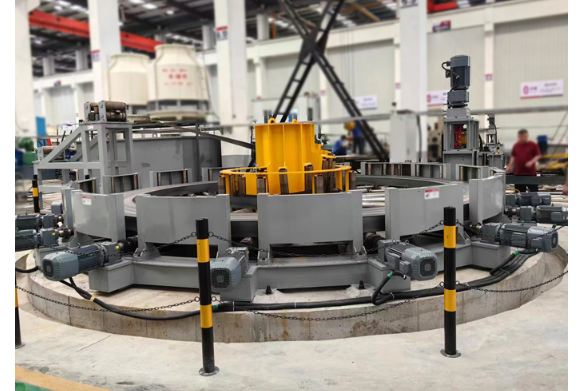
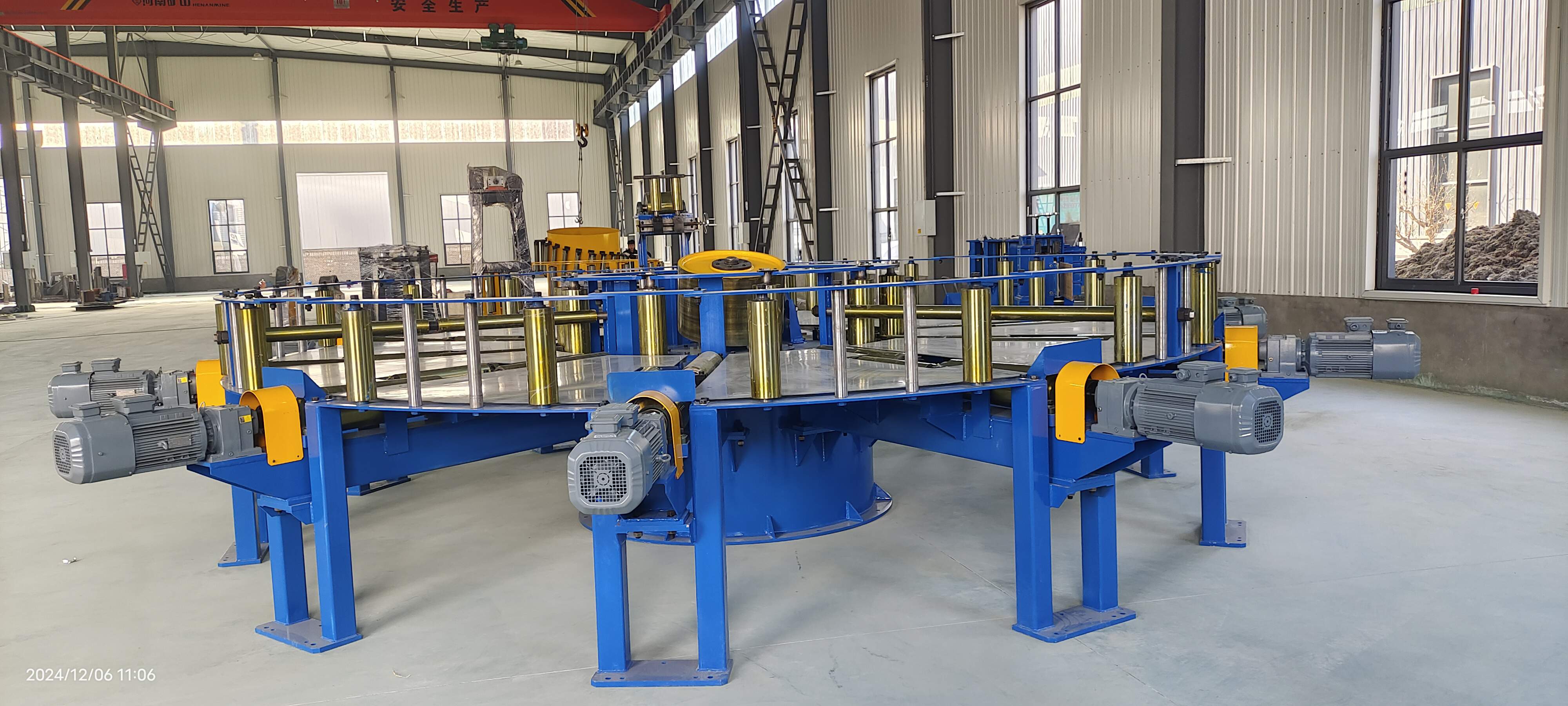
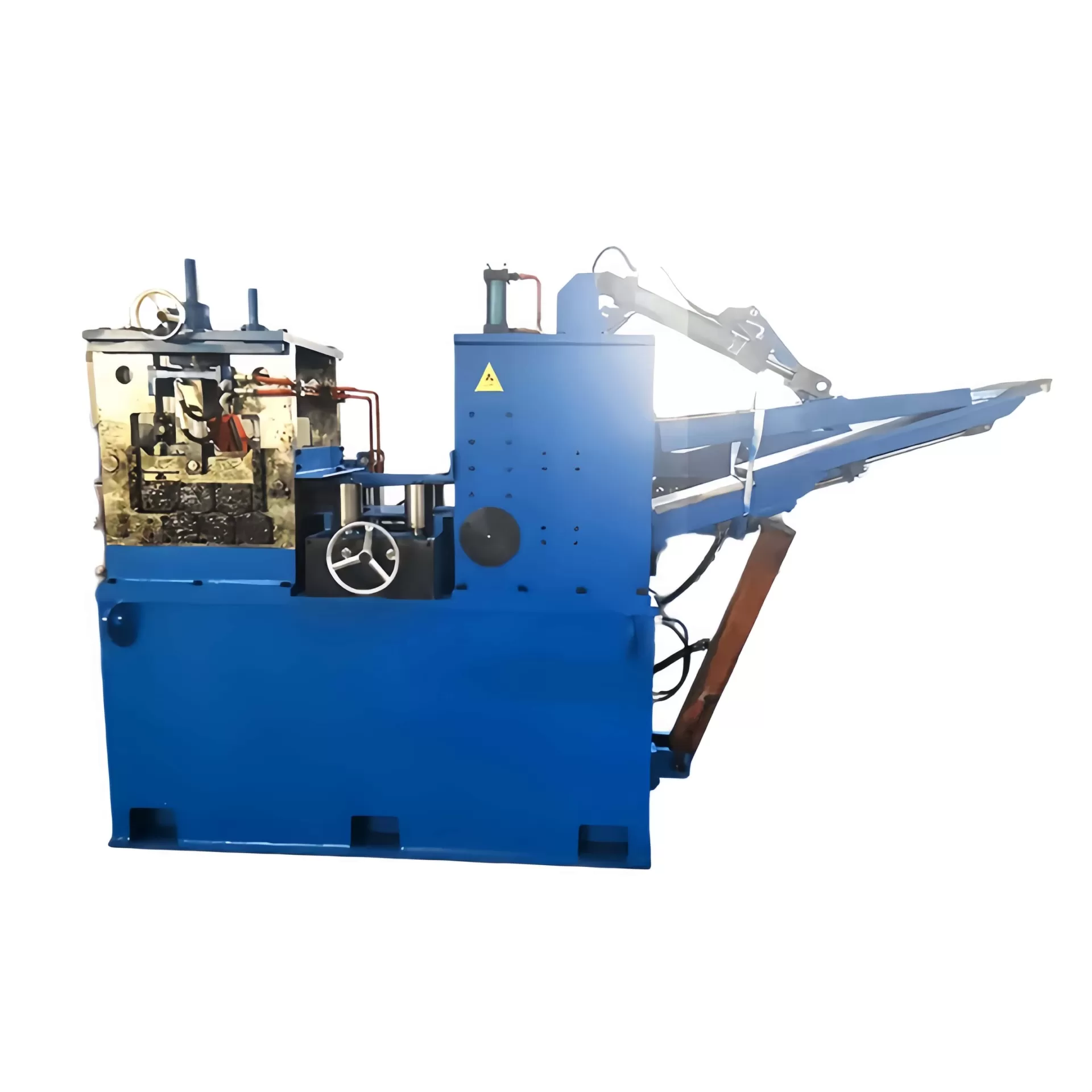
In the high-stakes world of international welding tube and pipe manufacturing, downtime is the ultimate enemy. Every second a mill is stopped for coil changeover translates directly into lost meters, lost revenue, and disrupted schedules. The quest for continuous, efficient production has led to the widespread adoption of automated feeding solutions. At the forefront of this evolution is the double head decoiler, a pivotal piece of equipment that has transformed material handling from a bottleneck into a seamless process.
For manufacturers of ERW, HFI, and other welded pipes, maintaining a consistent, non-stop feed of strip is paramount for weld quality and overall operational efficiency. This is where a robust double head decoiler becomes not just an option, but a strategic necessity. Brands like SANSO have refined this technology, focusing on the durability and precision required in demanding mill environments.
How a Double Head Decoiler Revolutionizes Material Feeding
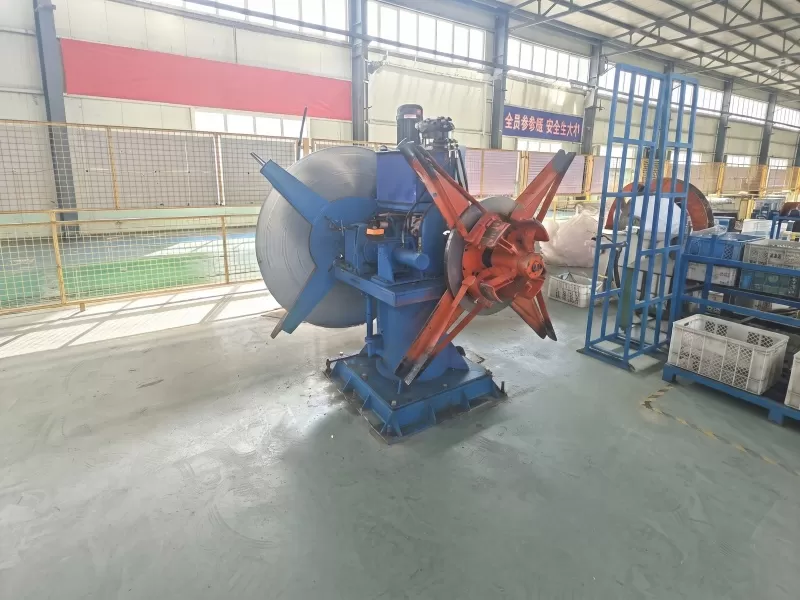
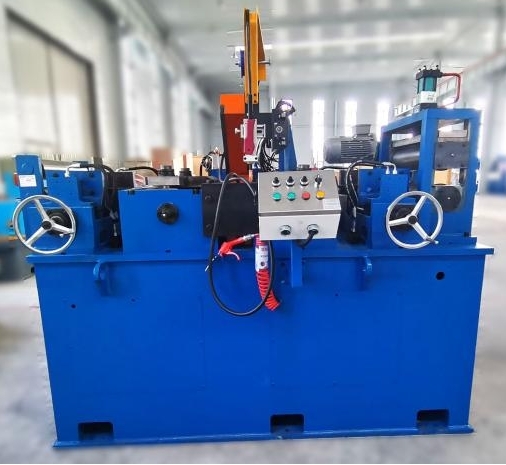
A double head decoiler is designed with two independent mandrels or spindles mounted on a sturdy frame. While one decoiler head is actively feeding strip into the tube mill line, the other head holds the next coil in standby mode. This setup allows operators to prepare—or "thread the lead end"—of the waiting coil while the current coil is still in production. The transition between coils is then executed rapidly, often through a welding or stitching process at a dedicated station, creating a continuous strip with minimal stoppage.
This fundamental principle eliminates the traditional, time-consuming process of stopping the entire line, unloading a depleted coil cradle, loading a new one, and threading it manually through the initial mill stages.
1. Maximizing Productivity and Mill Uptime
The single greatest advantage is the dramatic increase in productive running time. Manual coil changes can take 10 to 20 minutes or more, depending on coil size and operator skill. A double head decoiler system can reduce this changeover to just 1-3 minutes of slowed or stopped line speed.
This efficiency gain accumulates rapidly. Over multiple shifts, the additional production meters can be substantial. It directly boosts Overall Equipment Effectiveness (OEE), allowing you to meet tighter deadlines and increase output without investing in additional primary mill machinery. SANSO engineers its systems with fast-acting clamps and drives to further minimize these critical transition periods.
2. Enhancing Weld Quality and Consistency
A consistent, tension-stable strip feed is critical for forming a high-quality weld seam. Traditional stop-start feeding can introduce variations in strip tension and alignment at the very start of a new coil. This can lead to weld defects at the coil transition points.
A double head decoiler system, integrated with proper tension controls and a reliable butt welder, ensures a smooth, continuous feed. The transition between coils is controlled and uniform, preventing hiccups that can affect the forming station and the final weld integrity. This results in more consistent pipe geometry and superior seam quality throughout the entire production run.
3. Improving Operational Safety
Manual handling of heavy steel coils is a significant safety hazard. The process involves cranes, heavy loads, and potential for pinch points during threading. Automating the coil loading and feeding process with a double head decoiler removes personnel from the most hazardous areas of the initial mill stage.
Operators can manage the coil changeover process from control panels, often at a safer distance. This reduces the risk of crushing injuries, strains, and other accidents associated with manual material handling, contributing to a safer plant environment.
4. Reducing Labor Costs and Operator Fatigue
A mill running with manual decoilers requires constant attention from operators to monitor coil ends and initiate changeovers. This role is often stressful and physically demanding.
With an automated double head decoiler, the system manages the bulk of the changeover process. Operators are freed to focus on quality control, machine monitoring, and other value-added tasks. This can optimize labor allocation, reduce fatigue-related errors, and allow a single operator to manage more of the mill line effectively.
5. Gaining Flexibility for Diverse Production Needs
Modern double head decoiler designs offer features that increase operational flexibility. This includes adjustable mandrels for different inner coil diameters (ID), quick-changeover heads, and compatibility with various coil weights and widths.
This flexibility is crucial for mills that produce a range of pipe diameters and specifications. The ability to swiftly switch between different coil parameters without lengthy setup adjustments keeps the production agile and responsive to custom orders. SANSO’s configurations often emphasize this modularity, allowing for customization based on specific mill layouts and product mixes.
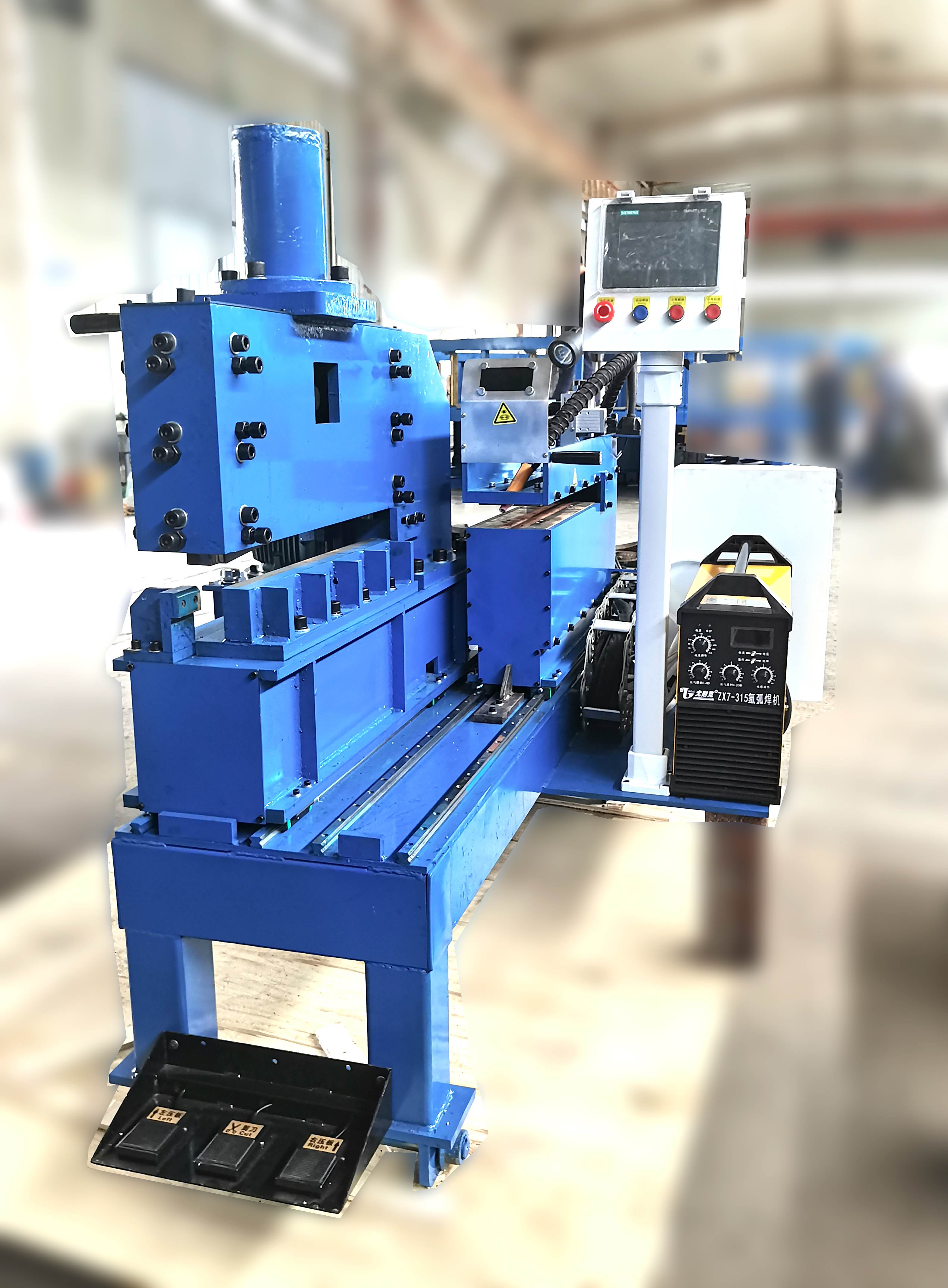
Choosing the Right Double Head Decoiler for Your Mill
Investing in a double head decoiler requires careful consideration. Key factors include your maximum coil weight and width, required strip tension control accuracy, the type of joining method (butt weld, stitch, etc.), and the available floor space. The system must be perfectly synchronized with your mill’s speed and control architecture.
It is essential to partner with a manufacturer with proven expertise in tube mill technology. Their experience ensures the decoiler is not just a standalone unit but a fully integrated component of your production flow.
For international manufacturers of welded tube and pipe, the path to superior productivity and quality is clear. Integrating a reliable double head decoiler system is a transformative step that addresses core challenges in material feeding. By ensuring near-continuous operation, stabilizing strip flow, and enhancing safety, this technology delivers a compelling return on investment.
As industry leaders like SANSO continue to innovate in durability and control integration, the double head decoiler solidifies its role as an indispensable asset in the modern, competitive tube mill.
Q1: What is the main purpose of a double head decoiler in a tube mill?
A1: The main purpose is to enable continuous production by allowing one coil to be fed into the mill while the next coil is prepared on the standby head. This minimizes line stoppages for coil changeovers, drastically increasing mill uptime and productivity.
Q2: How is the strip from two coils joined together in this system?
A2: The lead end of the new coil is joined to the tail end of the expiring coil at a butt welding or stitching station located between the decoiler and the mill entry. This creates a continuous strip for feeding into the forming and welding stations.
Q3: Can a double head decoiler handle different coil sizes?
A3: Yes, most modern systems are designed with flexibility. They feature adjustable mandrels to accommodate various inner diameters (ID) and can be configured for different coil weights and strip widths. It’s important to specify your required range to the supplier.
Q4: Does installing a double head decoiler require a lot of factory floor space?
A4: While it requires more space than a single decoiler, the footprint is carefully engineered. Reputable manufacturers like SANSO design compact and efficient layouts. The space investment is typically offset many times over by the gains in production output and flow.
Q5: What maintenance is crucial for a reliable double head decoiler operation?
A5: Regular maintenance is key. This includes periodic inspection and lubrication of all moving parts (bearings, gears, slides), checking hydraulic or pneumatic systems for leaks, ensuring electrical sensors and controls are clean and functional, and verifying the alignment of the mandrels and feeding path to prevent strip run-off.