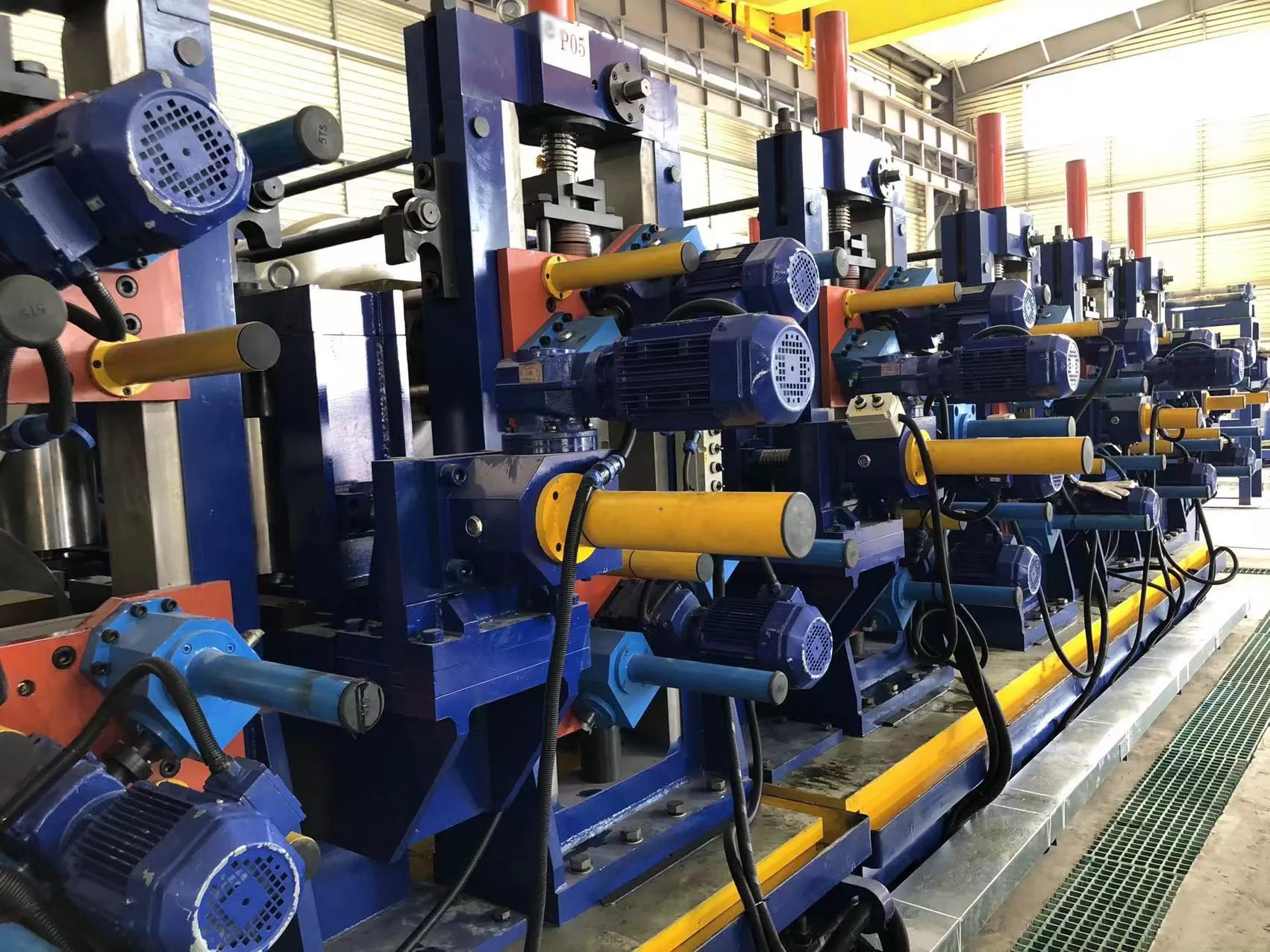
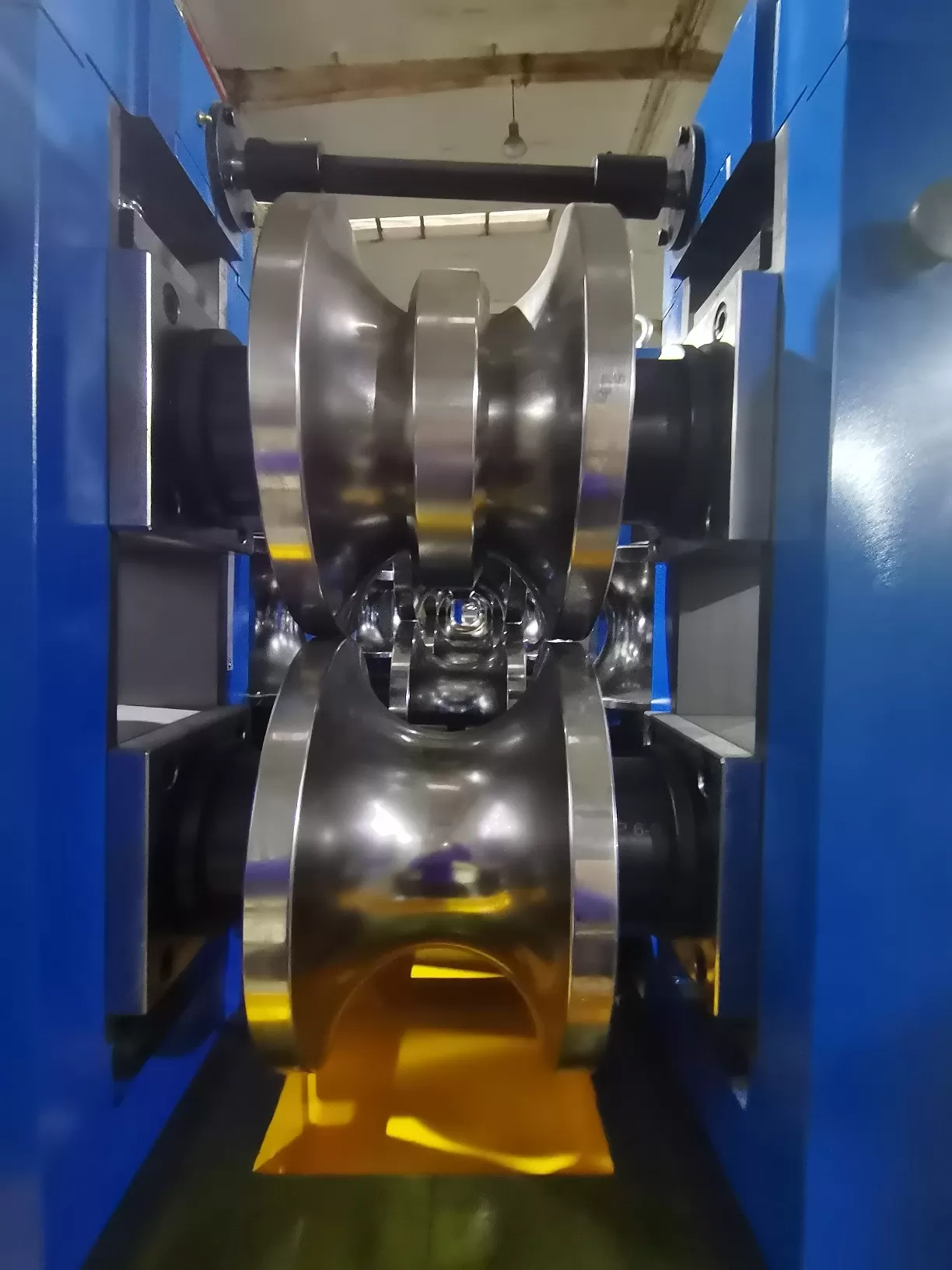
If you run a tube or pipe mill, you know coil handling is where efficiency is won or lost. The heavy lifting, the slow setups, the safety concerns—it all starts at the decoiler. Moving beyond basic mechanical systems, todays high-output mills rely on a different kind of power. That power is hydraulic.
A hydraulic decoiler machine uses an integrated hydraulic power unit to control its core functions. This system provides the immense, controlled force needed to handle todays heavier, wider coils with precision and reliability. For manufacturers of welded tube and pipe, integrating a robust hydraulic decoiler machine is a direct upgrade to your production floors capability and safety.
Brands like SANSO have focused on refining this technology, ensuring their hydraulic systems deliver the durability and smooth operation that tube mills demand day in and day out.
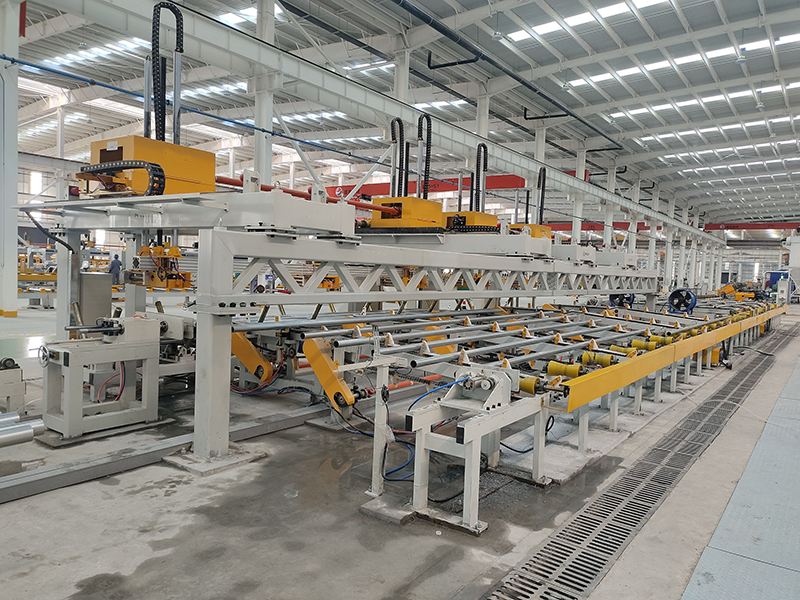
What Makes a Hydraulic System Superior?
At its core, a hydraulic decoiler machine replaces manual cranks, mechanical clamps, and electric drives with hydraulic cylinders and motors. This offers a fundamental advantage: immense power in a compact form, with excellent control. The system uses hydraulic pressure to expand the mandrel, lift heavy arms, and apply consistent back-tension to the uncoiling strip.
The result is a machine that feels stronger, more responsive, and less prone to the wear and tear that affects purely mechanical components under extreme loads.
Advantage 1: Raw Power for Heavier Coils and Safer Operation
The trend in tube manufacturing is clear: bigger coils mean less frequent changeovers and higher material yield. But a 10-ton or 20-ton coil is not just heavy; its dangerous to handle with inadequate equipment.
This is where a hydraulic decoiler machine shines. Hydraulic power provides the tremendous force required to smoothly and securely expand the mandrel within the coils inner diameter. This creates a uniform, vice-like grip that prevents core crushing or slippage—a common issue with mechanical systems under max load.
From a safety perspective, its transformative. Operators can load and secure a massive coil from a safe distance using a control panel. The risk of injury from manual clamping or accidental coil movement drops significantly. It’s about using technology to do the heavy work, so your team doesnt have to.
Advantage 2: Unmatched Control for Superior Strip Tension
Consistent strip tension is non-negotiable for quality tube forming and welding. Fluctuating tension as the coil diameter changes leads to poor strip tracking, forming issues, and weld defects.
A well-designed hydraulic decoiler machine offers superior tension control. Through a hydraulic motor or a brake system modulated by hydraulic pressure, it can apply a precise, adjustable back-tension to the uncoiling strip. This tension can often be programmed to automatically decrease as the coil runs down, maintaining a constant pull on the strip into the mill.
This level of control is difficult and costly to achieve with mechanical decoilers. It results in smoother strip flow, better alignment through the rollers, and a more stable weld seam from the start to the very end of the coil.
Advantage 3: Durability and Lower Maintenance in Tough Environments
A tube mill is a tough place. Dust, vibration, and continuous operation take a toll on machinery. Hydraulic systems, when properly engineered, are built for this.
Key components of a hydraulic decoiler machinehttps://www.sansotubemill.com/uncoiler.html, like cylinders and valves, are sealed and less susceptible to dust ingress compared to complex gearboxes or exposed mechanical linkages. They deliver high torque at low speeds, which reduces strain and wear.
While hydraulic systems do require maintenance—like checking fluid levels and hose integrity—they often prove more resilient against shock loads. The robust construction of a premium hydraulic decoiler machine, such as those from SANSO, focuses on sealed, heavy-duty components that prioritize uptime over a long service life.
Key Applications in Tube and Pipe Manufacturing
Not every job needs hydraulic power, but for certain applications, it’s essential. Consider a hydraulic decoiler machine for:
- High-Tensile Materials: Processing high-strength steel or alloys requires more gripping and uncoiling force.
- Wide, Heavy-Gauge Strip: Larger coils for big-diameter pipe or structural tube demand the power only hydraulics can reliably provide.
- Precision Tube Mills: Where consistent tension is critical for tight-tolerance forming, hydraulic control offers the necessary stability.
- Automated Lines: Hydraulic systems integrate seamlessly with PLC controls for fully automated coil loading and sequencing.
What to Look for When Choosing Your Machine
Investing in a hydraulic decoiler machine is a significant decision. Here are the key points to evaluate:
- Coil Capacity: Ensure it matches your current and future coil weight, width, and ID/OD range.
- Hydraulic Component Quality: Look for reputable brand-name pumps, valves, and cylinders. This is the heart of the machine.
- Control Integration: The hydraulic system should interface smoothly with your mills PLC for automated tension control and sequencing.
- Safety Features: Look for mechanical safety locks (like mandrel pins) in addition to hydraulic pressure holding, and well-designed control interlocks.
- Serviceability: Easy access to filters, fluid reservoirs, and hose connections is crucial for routine maintenance.
Choose a manufacturer with a track record in heavy-duty mill equipment. Their experience in system design and component selection will determine the machines long-term performance.
In the competitive landscape of welded tube production, the starting point of your line cannot be a weak link. A hydraulic decoiler machine provides the muscle, control, and ruggedness needed to handle modern coil sizes safely and efficiently. It directly contributes to higher output, better quality, and a safer workshop.
For mills looking to push their limits, this investment in hydraulic technology is a logical and powerful step forward. It’s the kind of foundational upgrade that brands like SANSO deliver, ensuring your mill is built on a platform of strength from the very first station.
Frequently Asked Questions (FAQ)
Q1: Is a hydraulic decoiler machine harder to maintain than a mechanical one?
A1: Its different, not necessarily harder. Mechanical decoilers need more attention to gears, bearings, and mechanical brakes. Hydraulic systems require monitoring of fluid levels, cleanliness, and hose/connection integrity. With a good preventative maintenance schedule, a hydraulic system can be very reliable and robust in dirty mill environments.
Q2: Can I get precise tension control from a hydraulic system?
A2: Absolutely. In fact, modern hydraulic decoilers often offer superior tension control. Using proportional valves and feedback sensors, the hydraulic pressure controlling the brake or motor can be finely modulated. This allows for programmable, decreasing tension profiles that keep strip pull consistent as the coil diameter changes.
Q3: What happens if theres a hydraulic leak or power failure?
A3: A properly designed machine has safety redundancies. The mandrel will typically have mechanical locking pins to prevent collapse even if hydraulic pressure is lost. Furthermore, the system will include check valves to hold critical cylinders in position. Always ensure your machine has these fail-safe features.
Q4: Are hydraulic decoilers much noisier?
A4: Not necessarily. The main source of noise is the hydraulic power unit (HPU). Quality manufacturers use quiet, efficient pumps and house the HPU in a sound-dampened enclosure. Often, the overall noise level is comparable to or lower than the sound of a large coil unspooling and mill machinery running.
Q5: We have limited floor space. Is a hydraulic decoiler very large?
A5: The footprint is largely determined by the coil size capacity, not the power system. The hydraulic power unit can often be mounted remotely (like on a mezzanine or to the side), freeing up space immediately around the decoiler itself. Discuss layout options with your supplier like SANSO to find an efficient configuration.