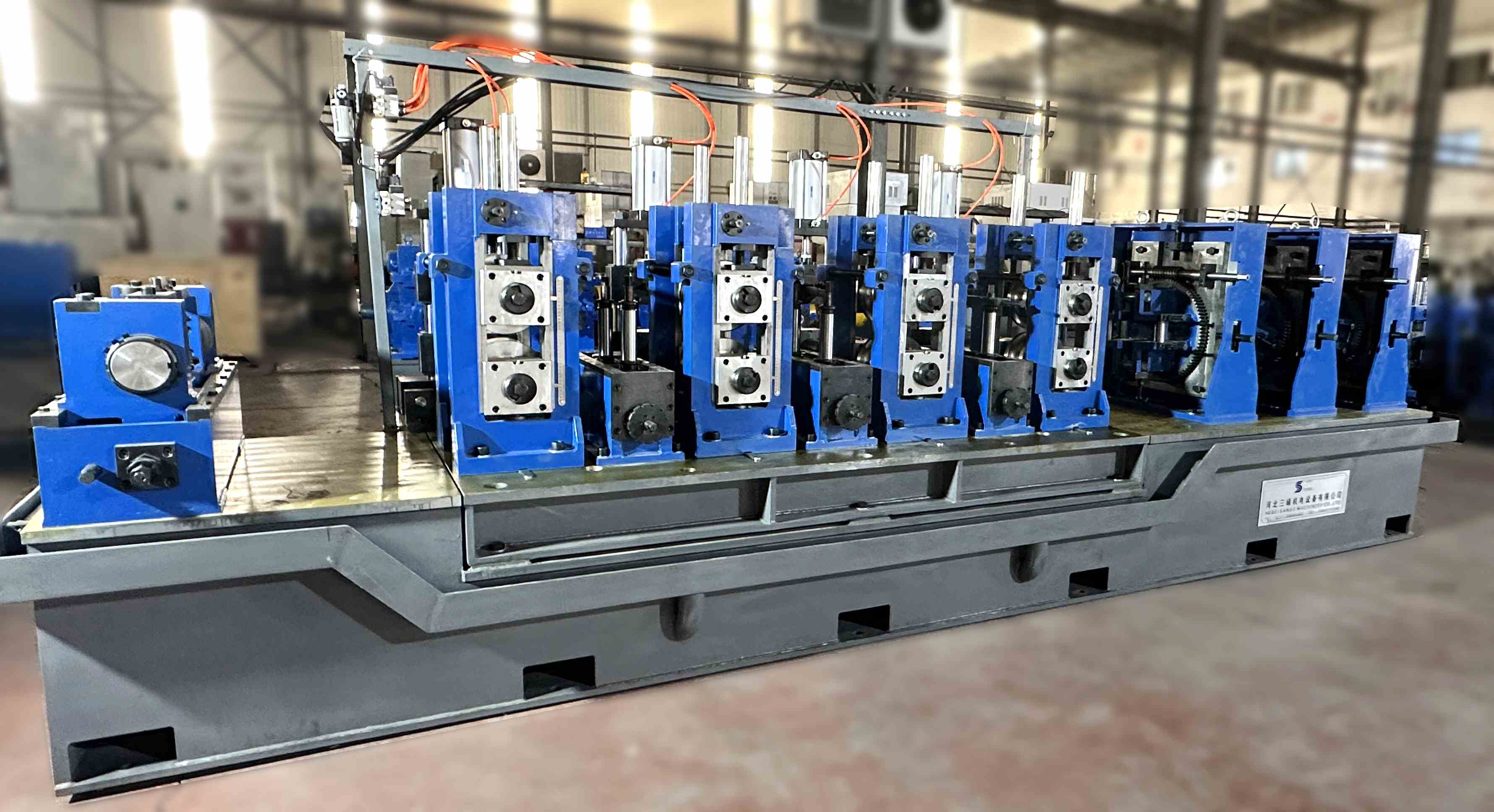
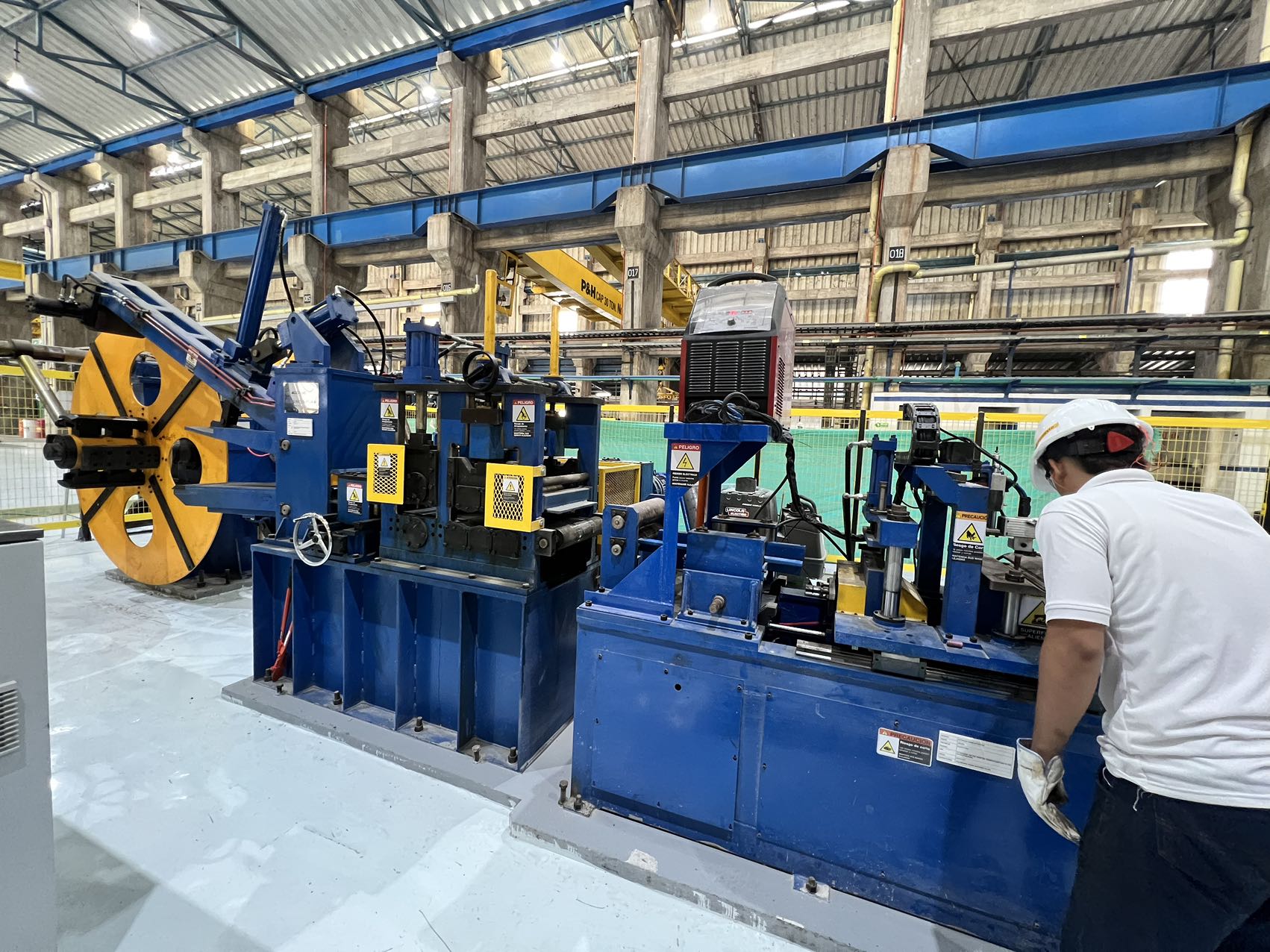
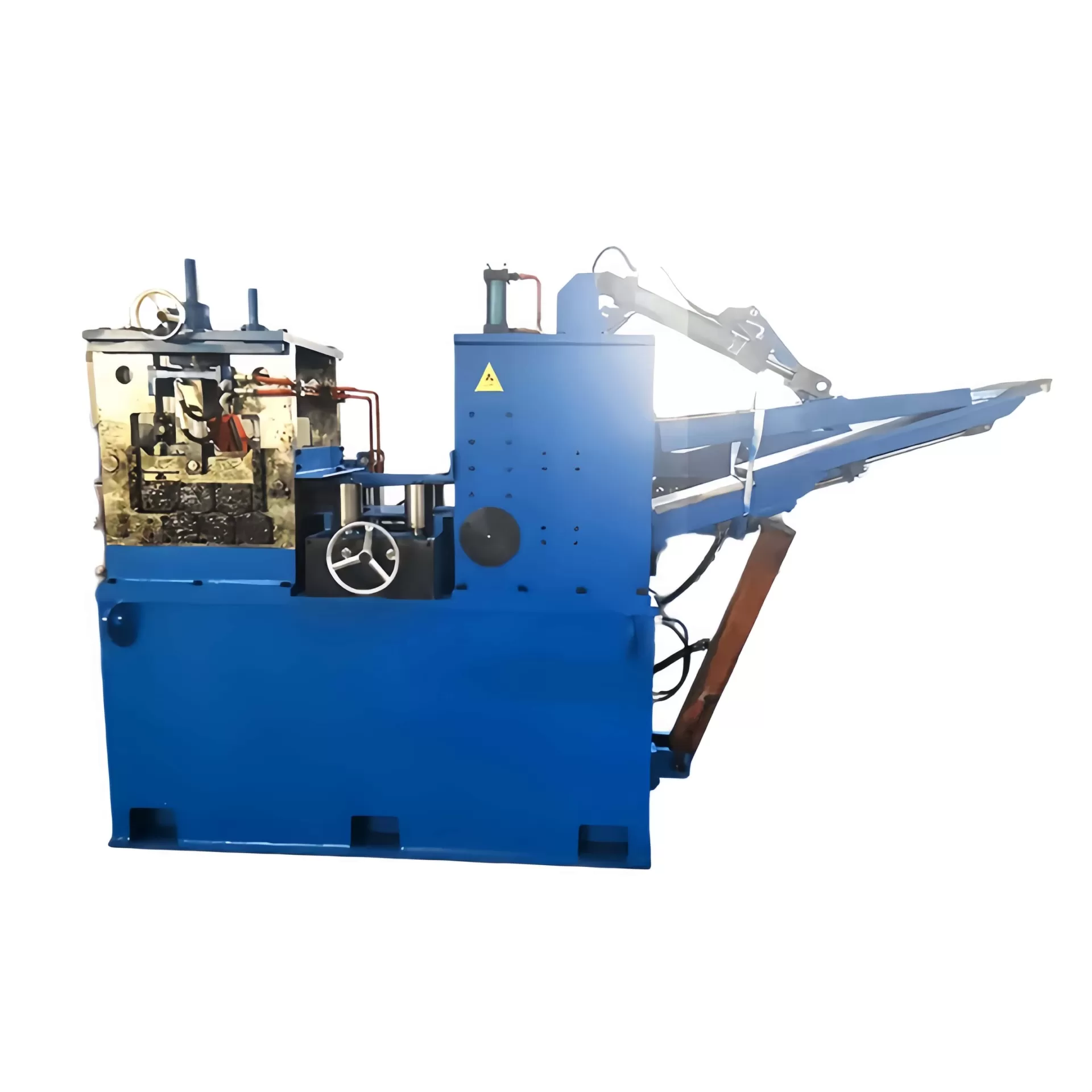
If youre sourcing equipment for your tube or pipe production line, understanding the decoiler machine price is a critical first step. This isnt just about finding the cheapest option; its about investing in a machine that ensures smooth material feeding, minimizes downtime, and protects your valuable coil stock. Prices can range from a few thousand to over a hundred thousand dollars, a variance that often leaves buyers confused. In the precision-driven world of international welded tube and pipe mill manufacturing, the right decoiler is a cornerstone of efficiency. Brands like SANSO offer a spectrum of solutions, each with a decoiler machine price that reflects specific capabilities and build quality.
Lets break down what youre really paying for and how to make a cost-effective decision for your operation.
The final tag on a decoiler isnt arbitrary. Several core engineering and feature factors directly impact cost.
Machine capacity is the primary driver. This includes both the maximum coil weight (e.g., 1 ton vs. 20 tons) and the width/thickness of the material it can handle. A heavier-duty machine requires a more robust frame, a more powerful motor, and higher-load bearings, increasing the decoiler machine price substantially.
The level of automation is another major cost differentiator. A simple manual mandrel expansion decoiler is the most budget-friendly. Adding a motorized expansion, a hydraulic lift for loading, or an automatic edge guidance (CPC) system adds convenience and precision but also cost. Fully automated coil loading and threading systems represent the top tier in both functionality and price.
Comparing Different Decoiler Types and Their Price Ranges
Knowing the type you need will immediately narrow the decoiler machine price range.
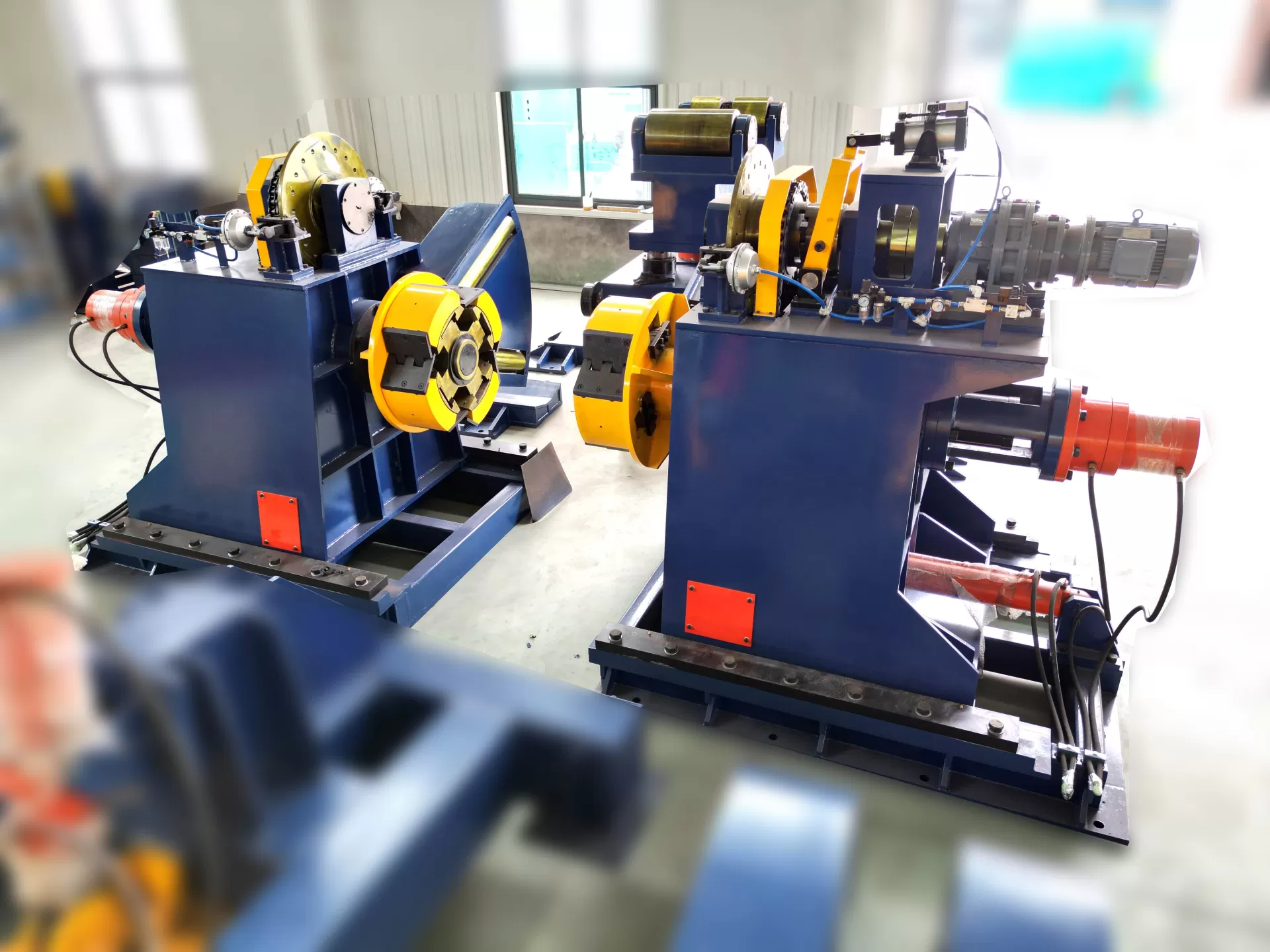
Single Mandrel Decoilers are the most common. Prices start around $5,000 for a basic, manually operated unit for light gauges. A motorized, medium-capacity model might range from $15,000 to $30,000. Heavy-duty versions for high-tensile steel can exceed $60,000.
Double Mandrel or Turret Decoilers are for high-volume production needing non-stop operation. These are complex systems with rotating platforms and sophisticated controls. Expect a decoiler machine price starting at $80,000 and easily reaching $200,000 or more for large-scale configurations.
Vertical Decoilers save floor space and are often used for thinner materials or delicate surfaces. Their price point is generally lower than equivalent horizontal models, often between $8,000 and $25,000, depending on automation.
The Real Cost of Ownership: Beyond the Initial Price Tag
Smart buyers look beyond the invoice. The true decoiler machine price includes long-term operational costs.
A poorly made decoiler can cause material scratches, inconsistent feeding, or even coil collapse (a major safety and cost hazard). These issues lead to scrap, rework, and line stoppages. Investing in a reliable machine from a reputable manufacturer like SANSO mitigates these risks. Their robust construction ensures consistent performance, protecting your primary raw material—the coil.
Consider energy consumption, availability of spare parts, and ease of maintenance. A slightly higher initial investment in a well-designed machine often pays for itself through reduced downtime and lower maintenance costs over a decade of service.
How to Get Accurate Quotes and Avoid Hidden Costs
To navigate the decoiler machine price landscape effectively, be specific when requesting quotes. Provide suppliers with detailed material specifications: coil ID/OD, max weight, material grade (yield strength), and line speed.
Clearly state your required features: mandatory motorized expansion, need for a peeler head, or compatibility with a downstream CNC cutter. Ask what is included. Does the decoiler machine price include freight, installation, and basic training? What is the warranty period and what does it cover? Transparent manufacturers will provide detailed breakdowns.
Why SANSO Decoilers Offer Competitive Value in the Market
In the competitive field of tube mill equipment, SANSO has built a reputation for offering a compelling balance of performance, durability, and cost. The decoiler machine price for a SANSO unit often provides exceptional value, incorporating thoughtful design for easier operation and maintenance without unnecessary premium markups.
Their range covers from standard single mandrel decoilers to more advanced motorized models, all built with the demands of international pipe and tube manufacturers in mind. Choosing a brand like SANSO means you are not just buying a machine; you are investing in known reliability that supports a stable and profitable production line, making the initial decoiler machine price a sound business decision.
Making the Final Decision: Balancing Budget and Production Needs
Ultimately, the right decoiler machine price is the one that aligns with your production output, material specifications, and automation goals. Avoid overbuying capabilities youll never use, but also resist underbuying, which can bottleneck your entire line.
Analyze the total cost of ownership, not just the purchase price. Request demonstrations or visit reference sites if possible. A decoiler is a long-term asset, and its impact on your lines efficiency makes it a crucial investment. By focusing on the factors that truly matter to your operation, you can secure a machine that delivers productivity and reliability for years to come, ensuring that the decoiler machine price you pay translates directly into a strong return on investment.
Frequently Asked Questions (FAQ)
Q1: What is the typical price range for a standard motorized decoiler?
A1: There is no single "typical" price, as it depends heavily on capacity. However, for a robust, motorized single mandrel decoiler suitable for most common tube mill applications (handling coils up to 5-10 tons), you can expect a decoiler machine price to generally fall between $18,000 and $45,000. Prices from manufacturers like SANSO are often competitive within this range for equivalent specifications.
Q2: Does a higher decoiler machine price always mean better quality?
A2: Not always, but there is a strong correlation. A very low price can signal compromises in material quality (e.g., lighter structural steel), component brands (e.g., lower-grade hydraulics or bearings), and engineering precision. A higher price from an established manufacturer typically buys better durability, smoother operation, and longer service life, reducing your total cost of ownership.
Q3: What are the most common maintenance costs associated with a decoiler?
A3: Regular maintenance costs are usually minimal for a well-built machine. They primarily involve periodic lubrication of bearings and gears, inspection and potential replacement of wear parts like mandrel blocks or guide liners, and occasionally, hydraulic oil changes. The biggest hidden cost is unplanned downtime due to failure, which underscores the importance of quality construction from the start.
Q4: Is buying a used decoiler a good way to save on the decoiler machine price?
A4: It can be, but it requires caution. A used decoiler from a known source with good maintenance records can offer significant savings. However, inspect it thoroughly for frame damage, wear on the mandrel mechanism, and the condition of the motor and drive system. Factor in potential immediate refurbishment costs, which can sometimes negate the initial savings.
Q5: Can I get a decoiler that is compatible with my existing tube mill from a different brand?
A5: Absolutely. Reputable decoiler manufacturers design their machines to be integrated into various production lines. The key is to provide the supplier with your line speed, the centerline height of your mill, and control interface requirements (e.g., simple start/stop signals). Most quality decoilers, including those from SANSO, are built to be easily adapted to work seamlessly with other major tube mill equipment.