In the world of metal fabrication, not every operation needs or can justify a fully automated coil feeding line. For smaller workshops, job shops, or specific low-volume production runs, the simplicity and direct control of a manual decoiler remain incredibly valuable. This robust piece of equipment is the foundational starting point for countless tube mills, roll forming lines, and stamping operations. While it lacks the automation of its advanced counterparts, a well-built manual decoiler offers unparalleled reliability, lower upfront cost, and hands-on control that many fabricators prefer. Brands like SANSO understand this market segment, offering durable and well-engineered manual models that serve as the dependable entry point into coil processing.
How a Manual Decoiler Actually Works
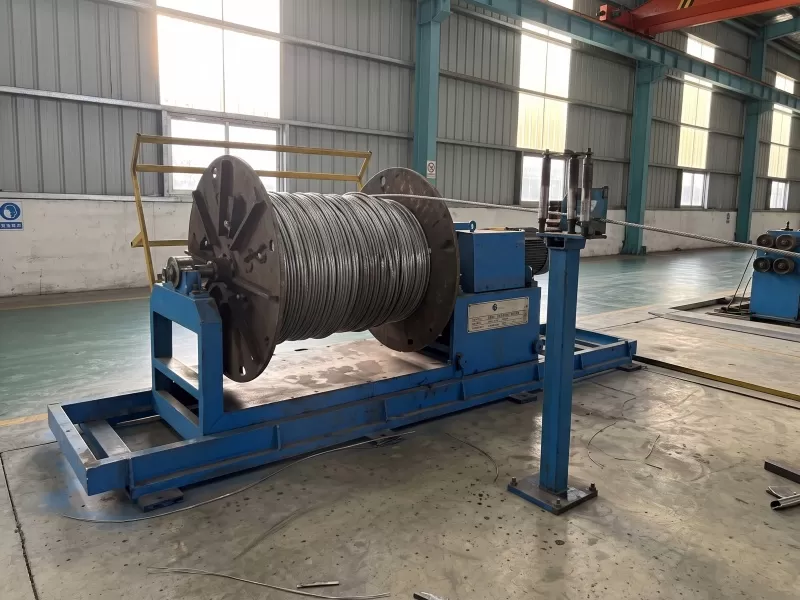
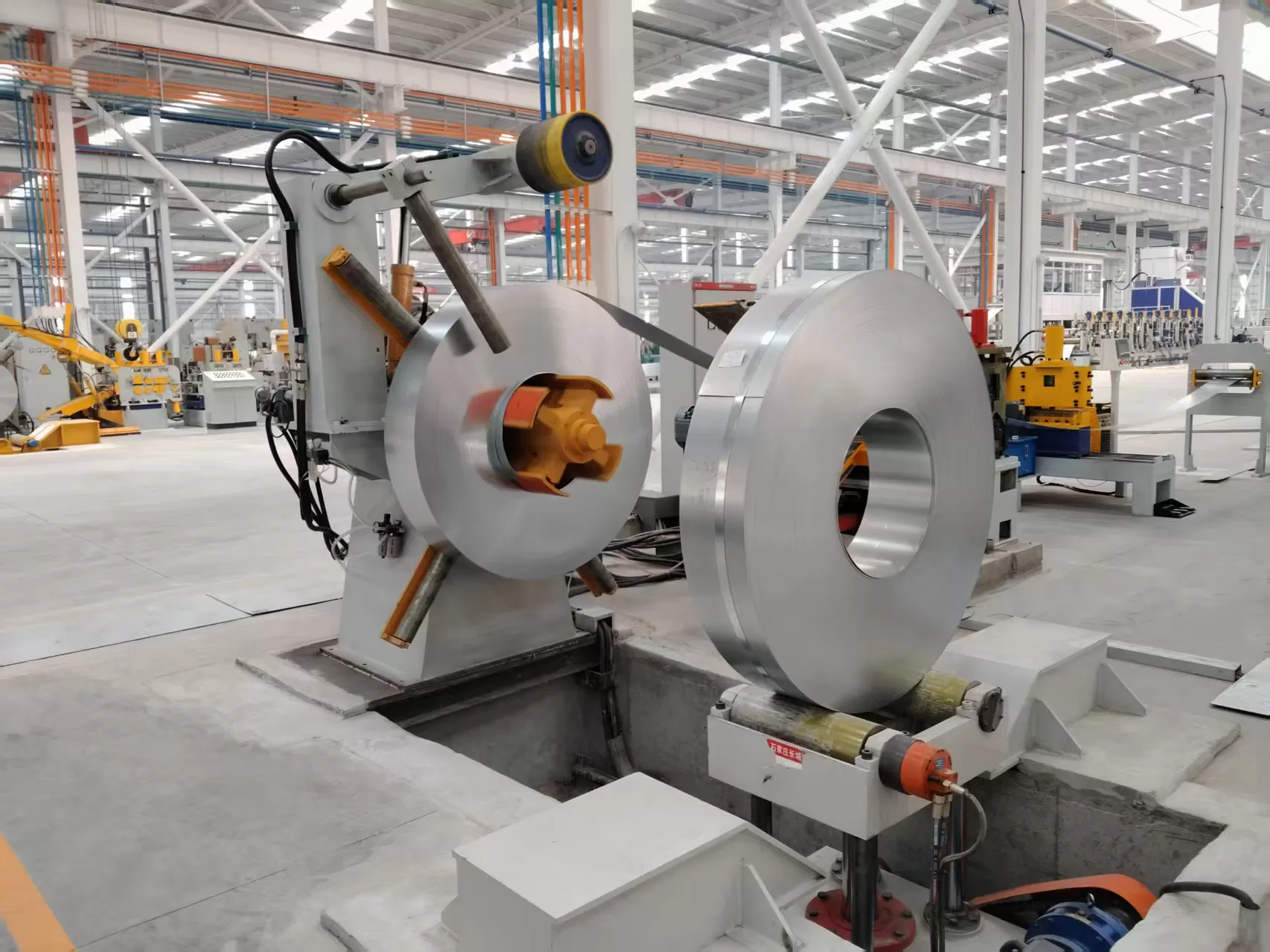
The principle is straightforward, which is a key part of its appeal. A manual decoiler typically consists of a heavy-duty steel frame, a cantilevered or supported expanding mandrel, and a mechanical brake system.
An operator uses a forklift or crane to place a metal coil onto the mandrel. The mandrel is then manually expanded, usually via a hand crank or a wrench, to grip the coil firmly from the inside. The tail end of the material is manually pulled and threaded into the downstream machine, such as a straightener or the entry guide of a tube mill.
Crucially, the operator must set and adjust the mechanical brake—often a friction band or disc brake—by hand. This brake provides the necessary tension to prevent the coil from unwinding uncontrollably due to its own inertia, a state known as "overrunning."
Key Advantages of Using a Manual Decoiler
The benefits of a manual decoiler are clear, especially for certain business models.
First and foremost is the significantly lower capital investment. The absence of motors, PLCs, and sensors makes it a much more affordable entry into coil-fed production.
Mechanical simplicity translates to ease of maintenance and repair. There are no complex electrical components to fail. Most maintenance involves checking the brake pads, lubricating bearings, and ensuring the mandrel expands smoothly.
It offers complete operator control. An experienced operator can feel the process and make immediate adjustments to the brake tension based on the material and line speed.
For low-volume, high-mix production, where coil changes are frequent and runs are short, the slower setup time of a manual decoiler may not be a critical disadvantage compared to its operational flexibility and low cost.
Ideal Applications in Tube and Pipe Production
Where does a manual decoiler fit in the international welding and tube manufacturing landscape?
It is perfectly suited for small to medium-sized tube mills producing structural tubing, fencing pipe, or conduit in lower volumes. It serves as an excellent training tool for new operators to understand the fundamentals of material tension and feed.
Many shops use them for prototyping or short-run jobs, where setting up a complex automatic line isnt time-efficient. They are also common as a backup or auxiliary unit in larger plants, ready to keep a line running if the primary automatic decoiler is down for maintenance.
Companies like SANSO cater to these needs by offering manual decoilers built with the same robust construction as their automated systems, ensuring they can withstand the harsh environment of a fabrication shop.
Limitations and Considerations
It’s important to understand the trade-offs when choosing a manual decoiler.
Productivity is limited by manual processes. Coil loading, threading, and brake adjustment all require operator time and physical effort, limiting overall line speed and increasing labor costs per ton.
Consistency relies heavily on the operator. Varying brake tension or threading can lead to minor feed inconsistencies, which might affect weld quality in high-precision tube mills.
There are inherent safety considerations. Handling heavy coils and threading material near moving parts requires strict safety protocols to avoid pinch-point injuries.
It is generally not suitable for very wide, heavy, or high-tensile strength materials where controlled, consistent tension is critical from start to finish.
Choosing the Right Manual Decoiler for Your Shop
Selecting a machine isnt just about price. You need the right tool for your specific material and process.
Coil capacity is the first spec. Determine your maximum coil weight (e.g., 1,000kg, 2,000kg) and inside diameter. Don’t buy an under-sized machine.
Mandrel construction is critical. Look for a solid, reliably expanding mandrel. A worn-out mandrel that slips can ruin a coil and cause safety issues.
Brake system quality defines performance. A smooth, adjustable, and reliable mechanical brake is the heart of the machine. Avoid units with cheap, inconsistent brakes.
Consider future needs. Some manual decoilers from manufacturers like SANSO are designed to be potentially upgraded later with add-on motorized tension units, offering a path to semi-automation.
Operational Tips for Best Results
To get the most out of your manual decoiler, follow some best practices.
Always ensure the coil is centered and securely gripped on the mandrel before starting. An off-center coil will wobble and cause poor feed.
Adjust the brake incrementally. Start with higher tension and gradually reduce it until the coil feeds smoothly with just enough drag to prevent overrun. The goal is consistent, light tension.
Keep the machine clean and lubricated. Regularly remove metal dust and debris, especially from the brake mechanism and mandrel threads. Lubricate moving parts as per the manual.
Use proper lifting equipment and PPE for all coil handling. Never attempt to maneuver a heavy coil by hand.
In an era of advancing automation, the manual decoiler has certainly not become obsolete. It occupies a vital niche, providing an accessible, reliable, and cost-effective solution for small-scale manufacturers, specialized job shops, and as a supplement in larger facilities. Its simplicity is its strength, offering a level of direct control and mechanical transparency that automated systems cannot.
For fabricators taking their first step into coil processing or those with specific, variable needs, investing in a high-quality manual decoiler from a reputable manufacturer is a smart decision. SANSO’s range of manual models proves that even the most fundamental equipment can be engineered for durability and performance, forming a solid foundation for many successful metal fabrication businesses worldwide.
Frequently Asked Questions (FAQ)
Q1: What is the main difference between a manual and an automatic decoiler?
A1: The core difference is control and operation. A manual decoiler requires an operator to physically adjust the braking tension and thread the material. An automatic decoiler uses a motorized system (often with a PLC) to control tension and can include automatic threading and loading features, requiring far less hands-on intervention.
Q2: Is a manual decoiler safe to use?
A2: It can be safe when used correctly with proper procedures. Key risks involve handling heavy coils and working near pinch points during threading. Strict adherence to safety protocols—using cranes/forklifts for loading, wearing PPE, and following lock-out/tag-out procedures during maintenance—is absolutely essential.
Q3: What kind of maintenance does a manual decoiler need?
A3: Maintenance is relatively simple but crucial. It regularly involves inspecting and replacing worn brake pads or linings, cleaning and lubricating the mandrel expansion mechanism and bearings, and checking for overall structural integrity and bolt tightness.
Q4: Can I use a manual decoiler for stainless steel or pre-painted coil?
A4: Yes, but with caution. For sensitive materials, you must ensure the mandrel has protective sleeves (like PVC) to prevent scratching the inner diameter. All contact points, like guide rollers, should be clean and smooth. Operator care during threading is also paramount to avoid surface damage.
Q5: My production is increasing. Can I upgrade my manual decoiler later?
A5: Sometimes. This depends on the original design. Some manufacturers, including SANSO, design their manual decoiler frames to be compatible with add-on motorized tension control units or simple electric drive assists. It’s best to discuss potential future upgrades with the supplier at the time of purchase.
Q6: How do I know what coil capacity I need?
A6: Analyze your typical material purchases and future plans. Your decoiler’s maximum weight and width capacity should exceed the specs of the largest coil you plan to process. It’s better to have some overhead capacity than to constantly operate at the machine’s limit.
Q7: Why would I choose a SANSO manual decoiler over a generic one?
A7: Choosing a brand like SANSO means investing in a machine designed with the rigor of tube mill applications in mind. You benefit from superior engineering, robust construction using quality components (like the brake and mandrel), and the support of a company that understands the full production context, not just an isolated machine. This leads to better longevity, reliability, and performance on your shop floor.