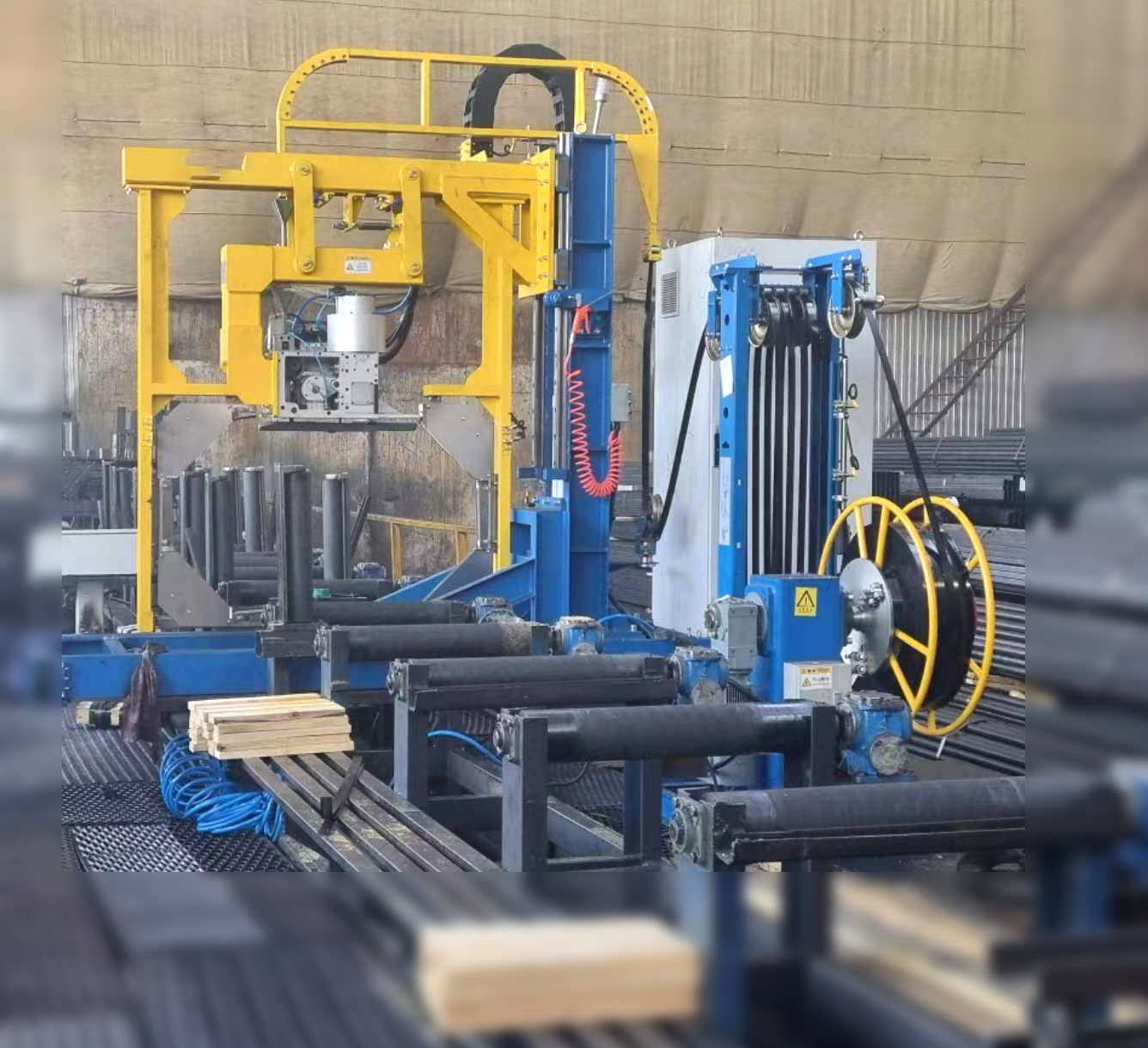
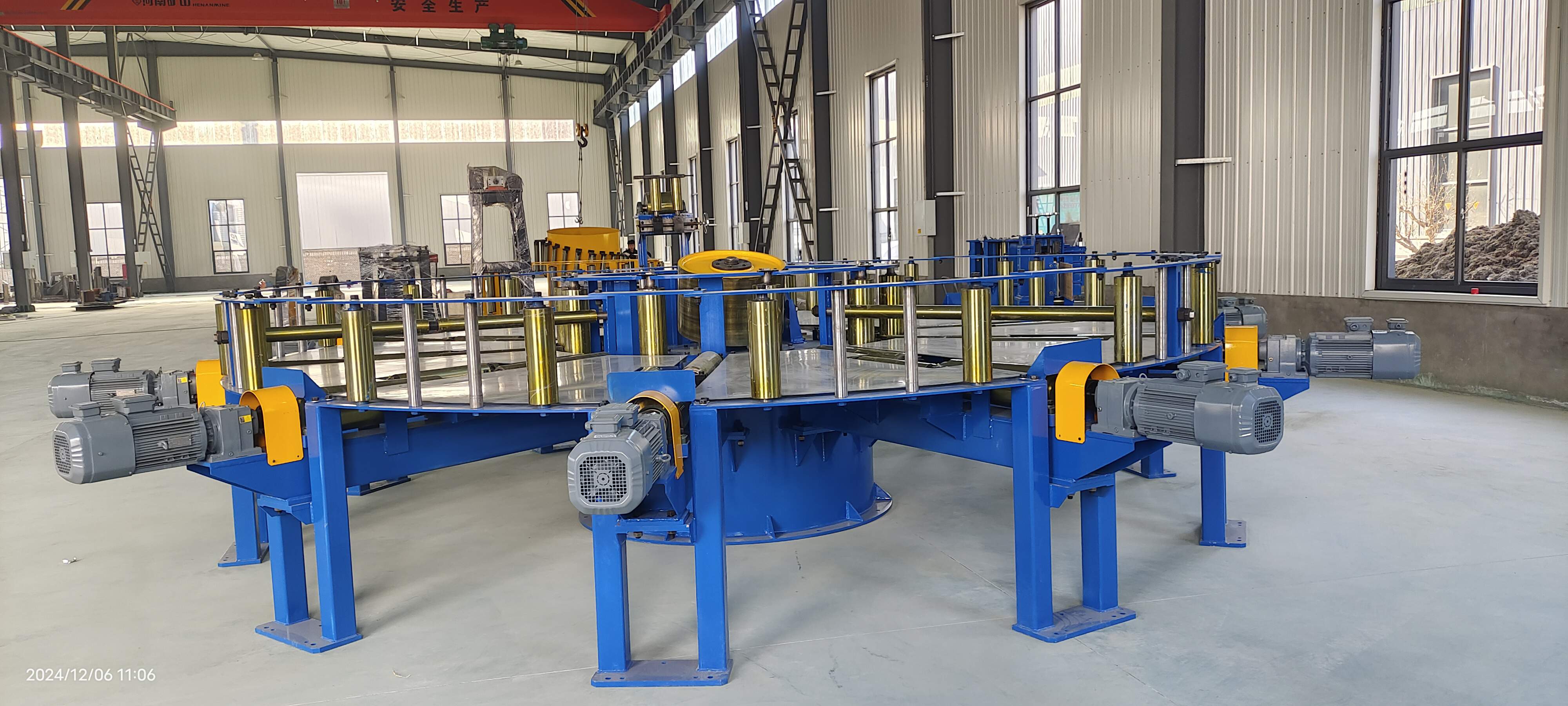
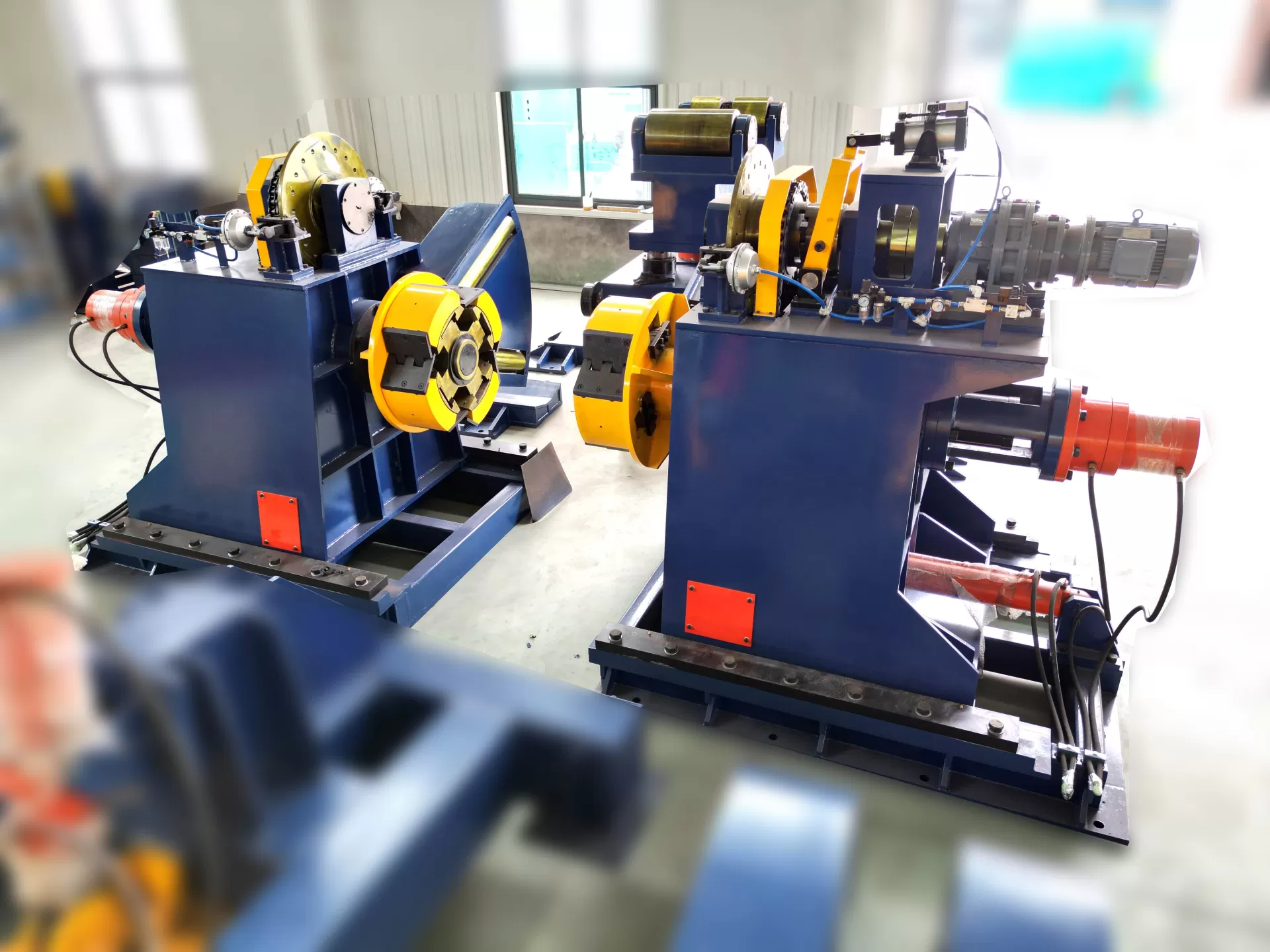
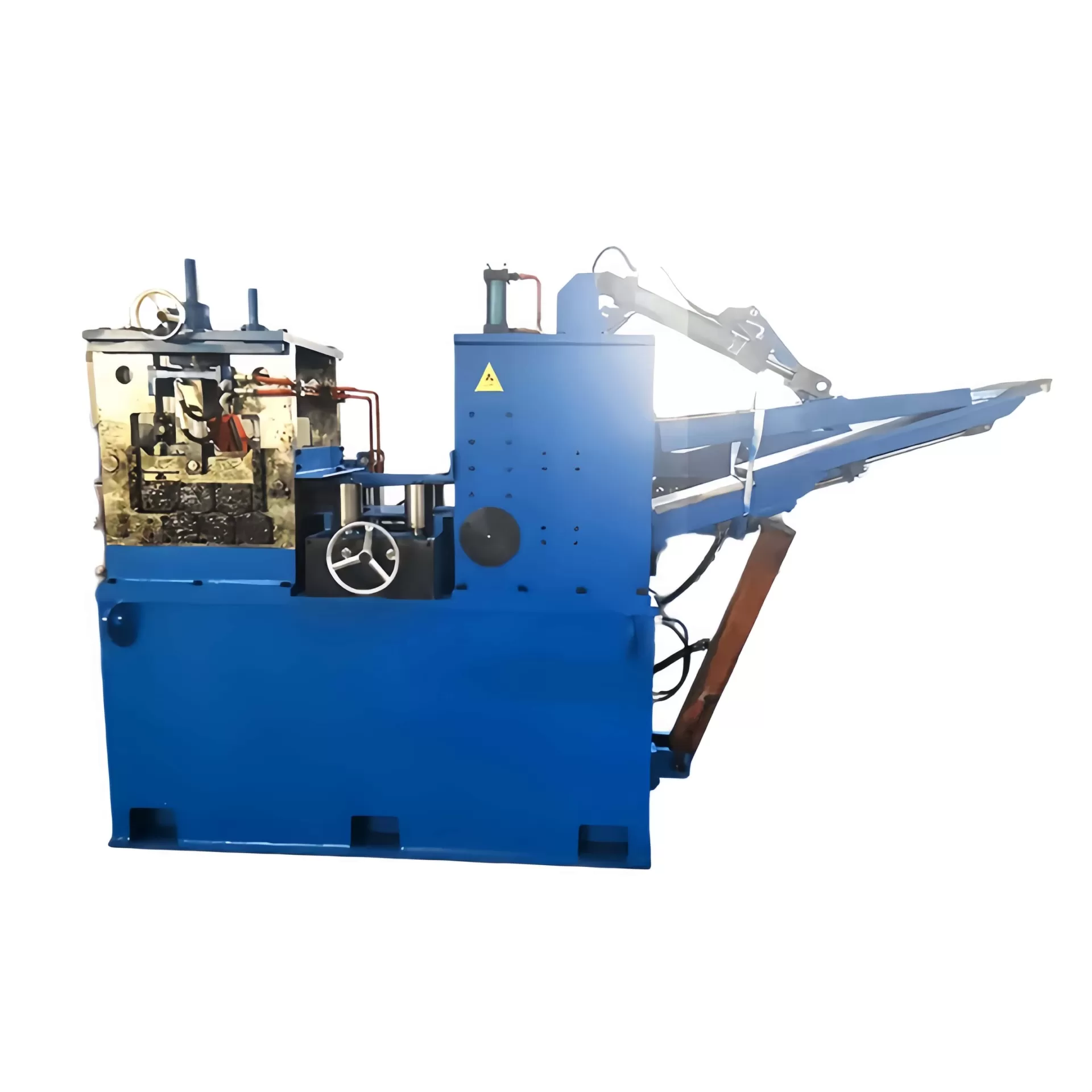
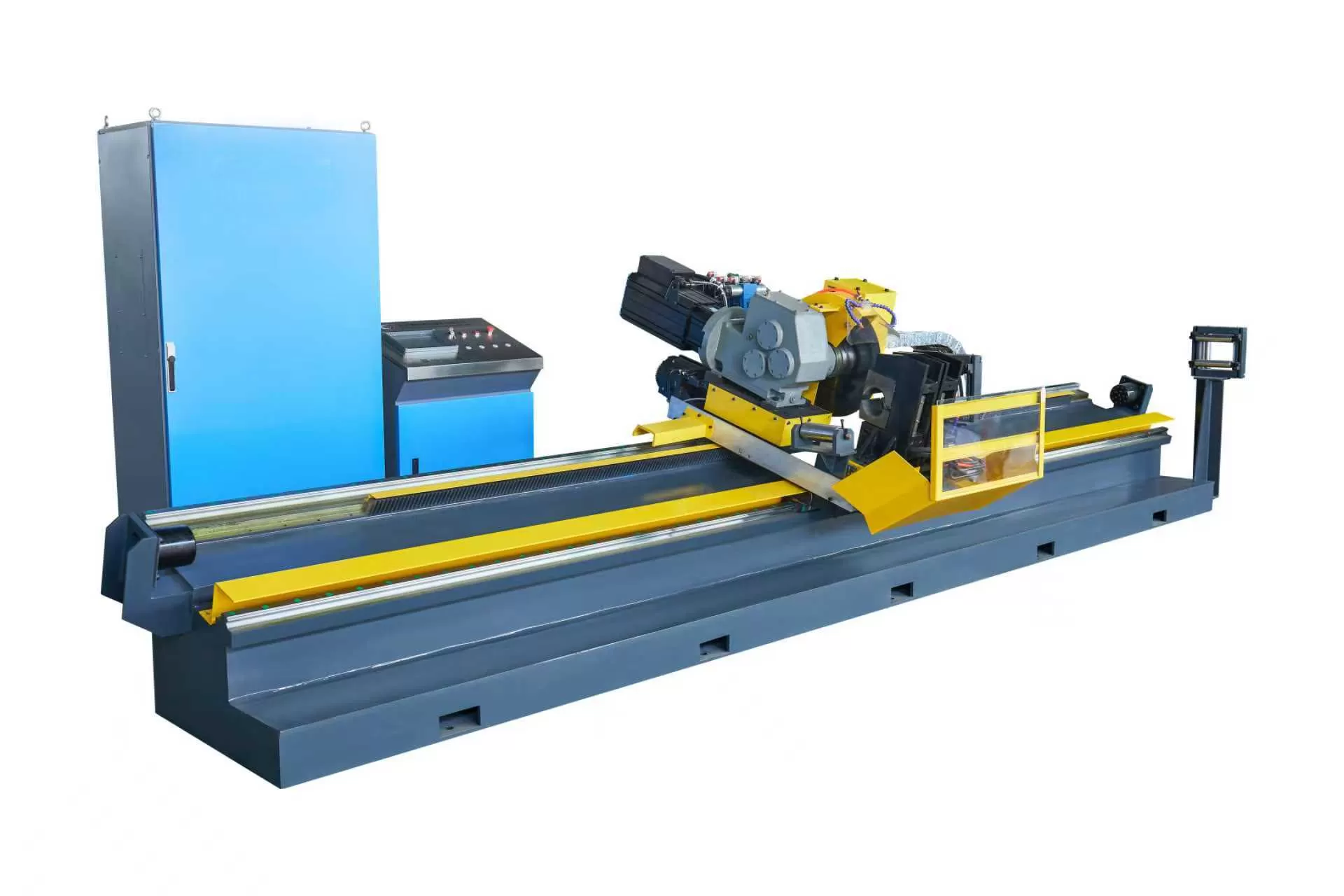
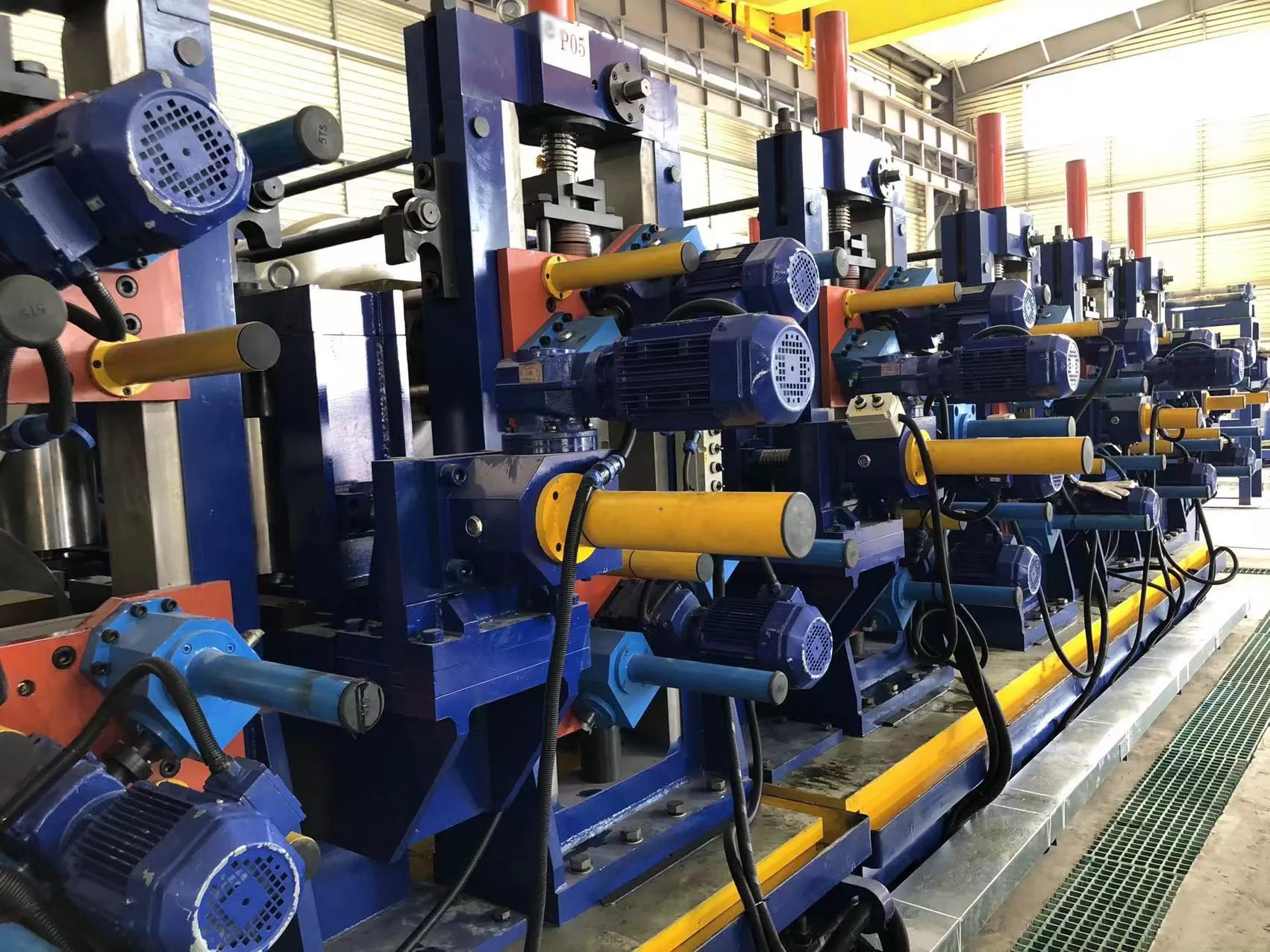
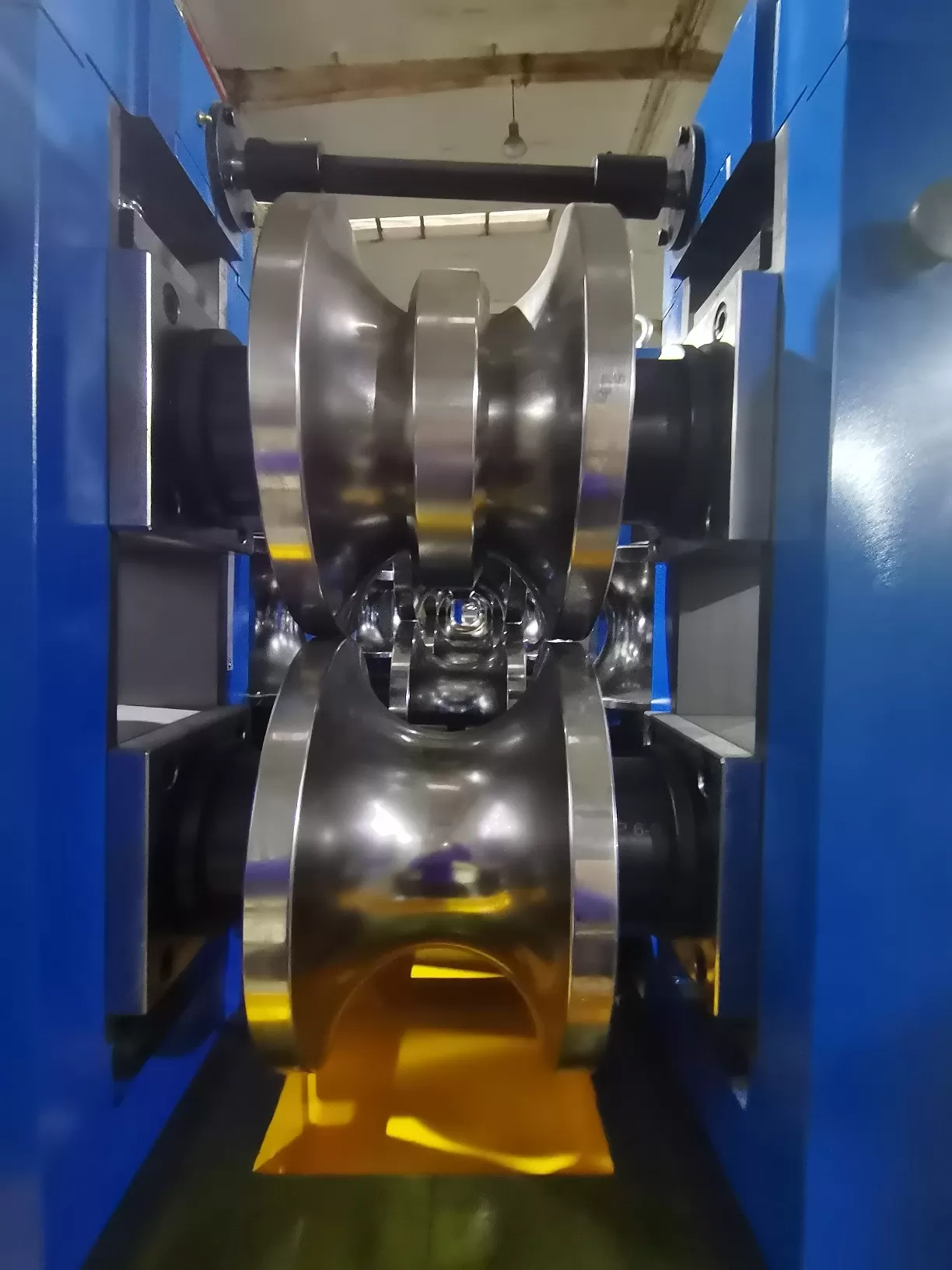
In the precision-driven world of welded tube and pipe manufacturing, the first three machines in your line set the tone for everything that follows. The decoiler straightener feeder section isnt just a preliminary stage; its the foundation of your entire production quality and speed. Get this wrong, and youll chase defects, waste, and downtime through every subsequent process. Get it right, and your mill hums with efficiency. This integrated systems job is to transform a tight, coiled strip of steel into a perfectly flat, consistently fed ribbon, ready for the forming welders. Its synchronized performance is non-negotiable. Brands like SANSO have built their expertise on engineering these critical entry-stage systems for reliability, understanding that a perfect tube starts with a perfect feed.
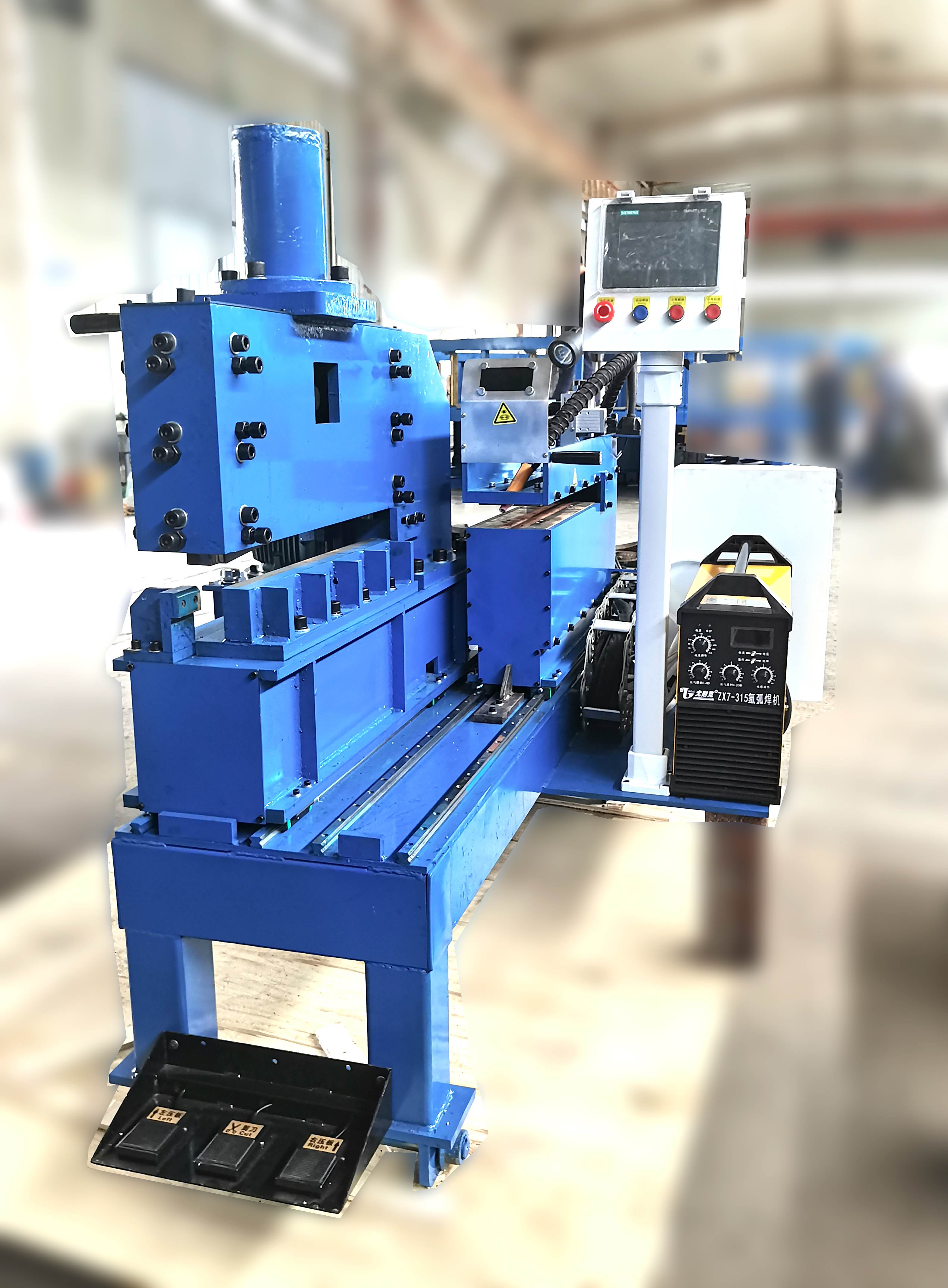
The Indispensable Role of the Entry Line Trio
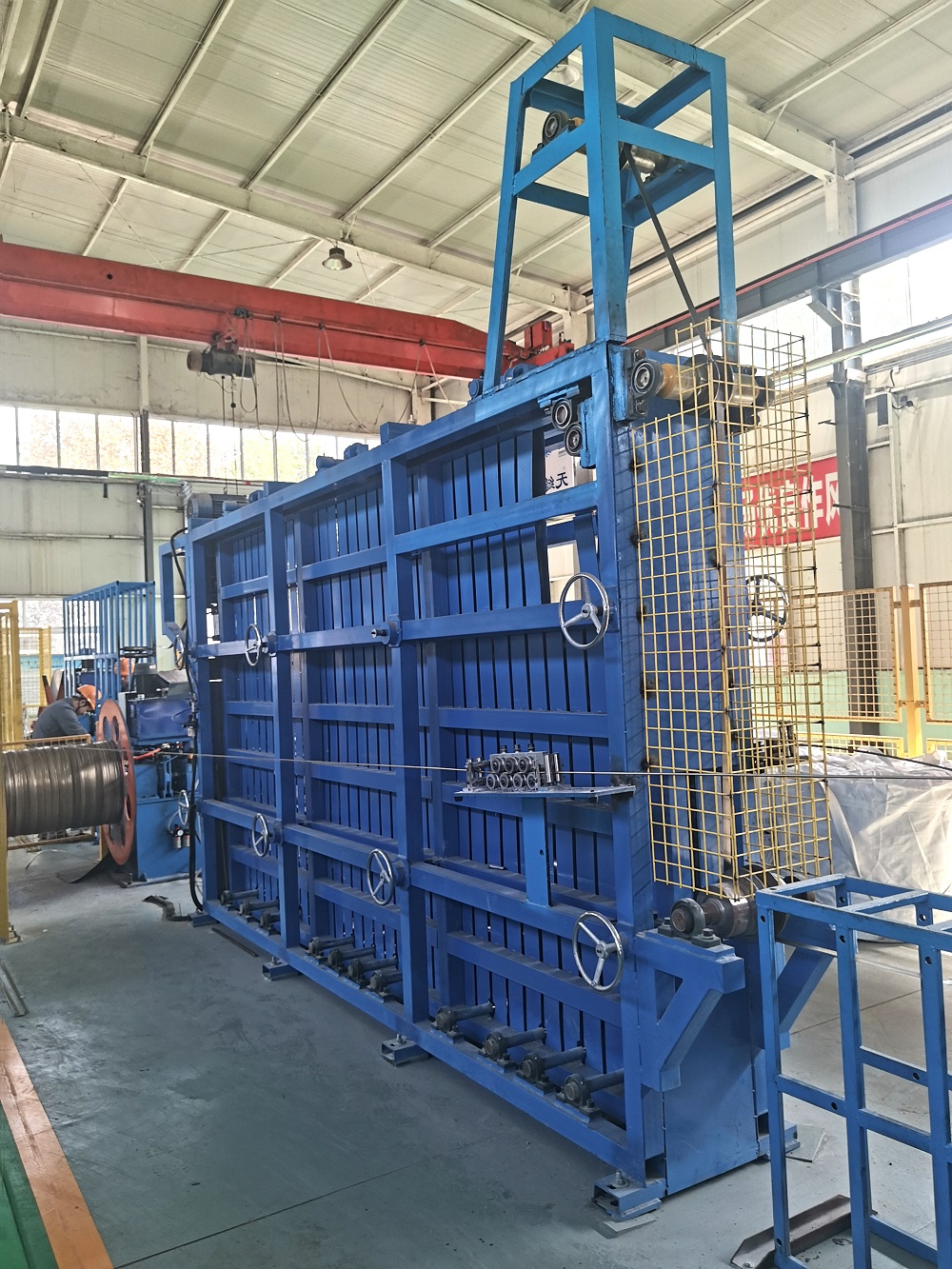
Think of the decoiler straightener feeder as a coordinated team. The decoiler holds the massive coil and controls its payoff, often with critical back-tension. The straightener, typically a 5-roll or 7-roll configuration, then removes the coils inherent curvature and any crossbow or twist. Finally, the feeder—often a precision pair of pinch rolls—grips the material and pushes it into the mill stands at an exact, predetermined speed. Any misalignment, timing error, or mechanical fault in this trio causes immediate problems: buckling, inconsistent weld seam position, or fluctuating wall thickness. Their integration is what separates a basic setup from a high-performance tube mill.
Breaking Down the Components: More Than Just Machines
Lets look at each part of the decoiler straightener feeder unit in detail.
The Decoiler must handle extreme weight smoothly. Its motor, brake, or drive system must apply just enough tension to prevent loose loops but not so much that it stretches or scratches the material. A good decoiler allows for fast, safe coil loading with minimal crane time.
The Straightener is where metallurgy meets mechanics. The rolls are adjusted based on material grade, thickness, and yield strength. The goal is to achieve plastic deformation—bending the material just beyond its yield point so it holds its new, flat shape. Under-straightening leaves curve; over-straightening can work-harden or mark the strip.
The Feeder is the conductor. It establishes the primary line speed. Its pinch pressure must be firm enough to prevent slippage but gentle enough to avoid deforming the material. Its synchronization with the decoilers payoff and the main mill drive is critical for steady-state production.
Why Integration Matters More Than Individual Specs
You can buy three excellent machines, but if they dont "talk" to each other, you have a problem. A truly integrated decoiler straightener feeder line features centralized control. Tension from the decoiler is communicated to the feeder. The straighteners load is monitored. Speed commands are unified.
A common failure is treating them as separate entities. For example, a decoiler brake dragging independently of the feeder speed causes tension spikes. Or a straightener set too aggressively creates drag that the feeder must overcome, leading to slip. Seamless integration, often achieved through a shared PLC and properly sized drives, is what providers like SANSO focus on. Their systems are designed to operate as one cohesive unit, not a collection of parts.
3 Common (and Costly) Mistakes in Setup and Operation
Even the best equipment can underperform if mishandled.
First is improper straightener roll alignment. If the entry and exit guides arent perfectly centered with the rolls, the strip will steer sideways, causing edge damage and eventual machine wear.
Second is ignoring run-in and run-out sequences. During mill start and stop, the tension and speed relationships change dramatically. Without programmed slow-start and slow-stop functions, you risk creating a buckle or a snag.
Third is inflexible changeover procedures. Switching from a thin, soft material to a thick, high-strength one requires recalibrating everything: decoiler brake pressure, straightener roll penetration, and feeder pinch force. Not having a documented, quick-adjustment process kills productivity.
Routine Checks for Uninterrupted Production
Proactive maintenance on your decoiler straightener feeder line prevents catastrophic stops.
Daily, check for hydraulic leaks, verify guide and roller surfaces for burrs or wear, and listen for unusual noises in gearboxes or bearings. Lubrication points on straightener roll bearings are critical.
Weekly, inspect the condition of the feeder pinch roll surfaces. Worn or grooved rolls will mar the material. Check the alignment of all entry and exit pass lines with a laser or taught wire.
Monthly, verify the calibration of tension systems and pressure gauges. Inspect the decoiler mandrel expansion segments for wear and ensure all safety interlocks on guarding are functional. A disciplined log of these checks helps predict failures before they happen.
The Future: Smarter Entry Systems for Industry 4.0
The next evolution of the decoiler straightener feeder is about data and autonomy. Imagine a system that auto-adjusts straightener roll pressure based on coil ID data from a QR code scan. Or a tension control system that uses real-time feedback from a load cell to make micro-corrections, compensating for coil buildup variations.
Predictive maintenance will be driven by vibration and temperature sensors on key drive shafts. The goal is zero unplanned downtime. This intelligent, connected approach is becoming the new standard for mills aiming at lights-out production, and its where advanced engineering from established brands is focused.
Ultimately, the decoiler straightener feeder is the unsung hero of tube mill profitability. Its consistent, flawless operation is the bedrock upon which quality and speed are built. Neglecting this section guarantees inefficiency. Honing its performance, through proper equipment selection, integrated control, and diligent care, is one of the smartest investments a mill can make. It’s in this challenging area that robust and smart engineering, such as that developed by SANSO, proves its true value by delivering the reliable, precise starting point that modern tube manufacturing absolutely requires.
Frequently Asked Questions (FAQs)
Q1: Can I use a simple decoiler and rely on the mill stands to pull the material through, skipping a dedicated feeder?
A1: This is a high-risk practice for precision tube. Relying solely on pull creates inconsistent tension, especially during mill acceleration/deceleration. A dedicated feeder provides positive, controlled pushing force, ensuring stable entry speed into the first forming stand, which is crucial for weld seam position and dimensional consistency.
Q2: How many straightener rolls are ideal for tube mill applications?
A2: For most welded tube applications involving flat strip, a 5-roll configuration is common and effective. For thicker, high-strength materials, or strip with severe coil curvature, a 7-roll straightener provides more adjustment points for better control over complex shape defects. The choice depends on your material range.
Q3: We experience frequent strip steering or "cobbling" between the straightener and feeder. Whats the likely cause?
A3: This is almost always an alignment issue. The centerline of the decoiler mandrel, the straightener rolls, the feeder rolls, and the first mill stand must be in perfect horizontal and vertical alignment. Use a precision laser alignment tool to check the entire pass line. Even a small deviation will force the material to steer.
Q4: How critical is the surface finish on the feeder pinch rolls?
A4: Extremely critical. These rolls are in direct contact with the finished surface of the strip that may become the outside of the tube. Any pits, grooves, or contamination on the roll surface will be imprinted onto the material. They should be kept clean, smooth, and may require a specific hardness or coating (like urethane) to grip without marking.
Q5: Whats the biggest time-saver when changing coils on an integrated line?
A5: Beyond a good coil car, the key is having a "threading mode" or "pre-feed" function. This allows the operator to slowly and precisely run the strip tail from the old coil and the lead from the new coil through the straightener and feeder at low speed for welding, without engaging the main mill. This minimizes manual handling and gets the line back to full speed faster.