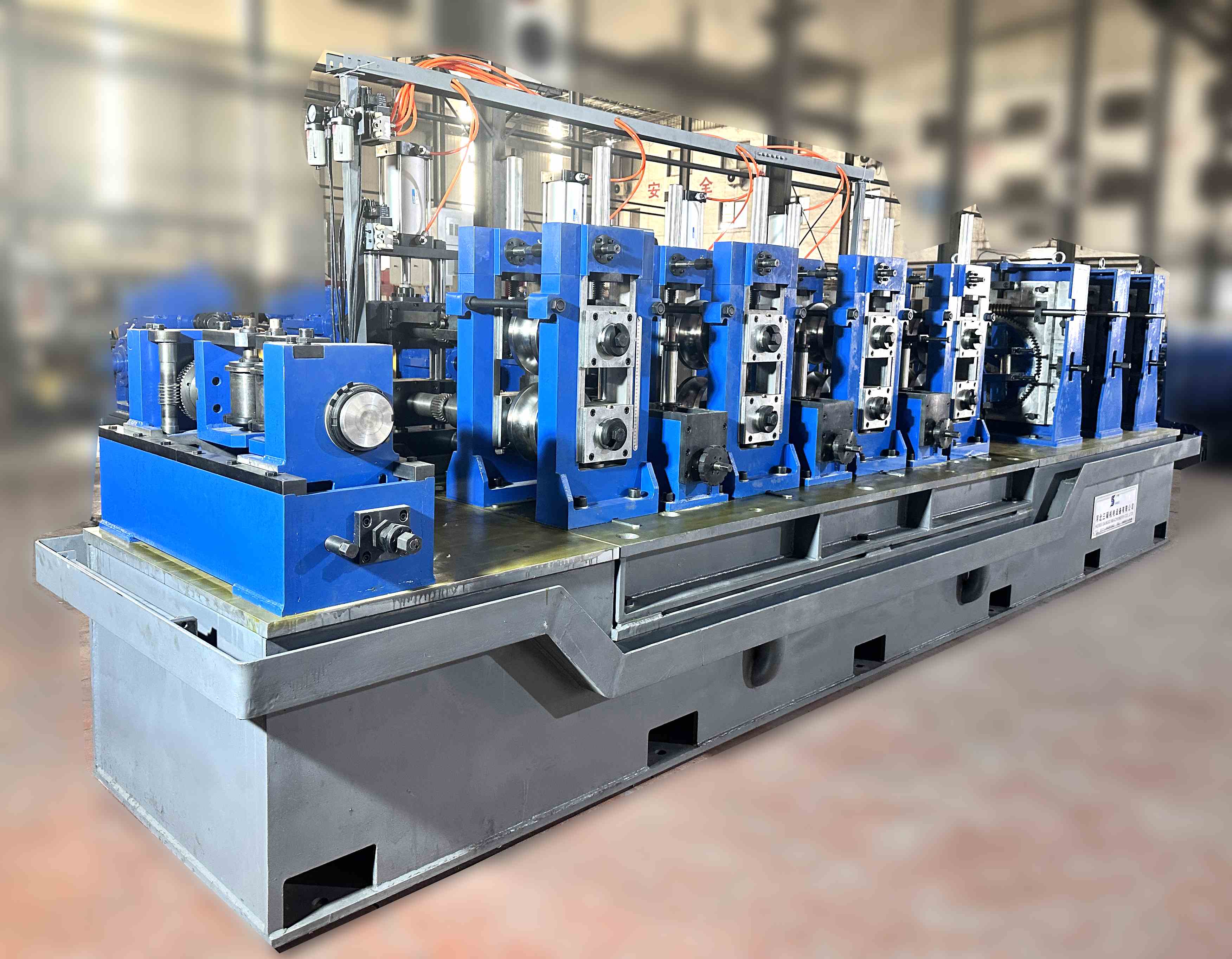
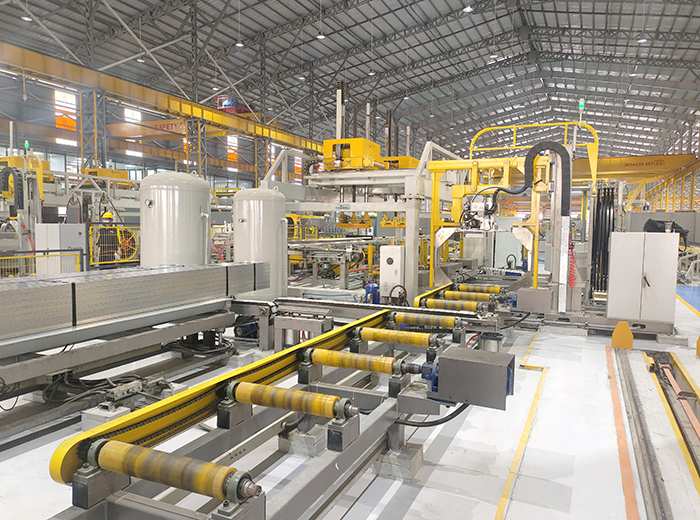
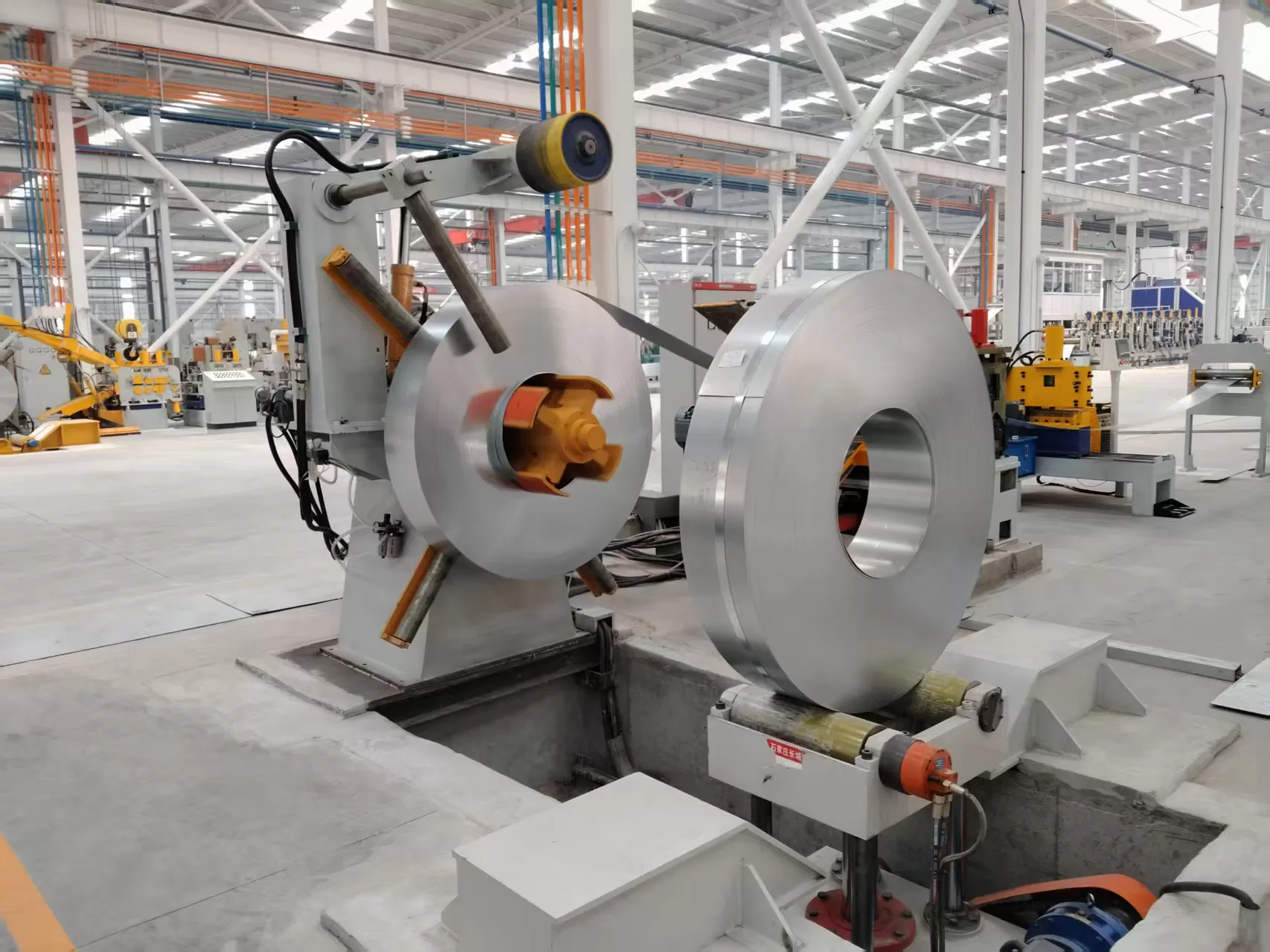
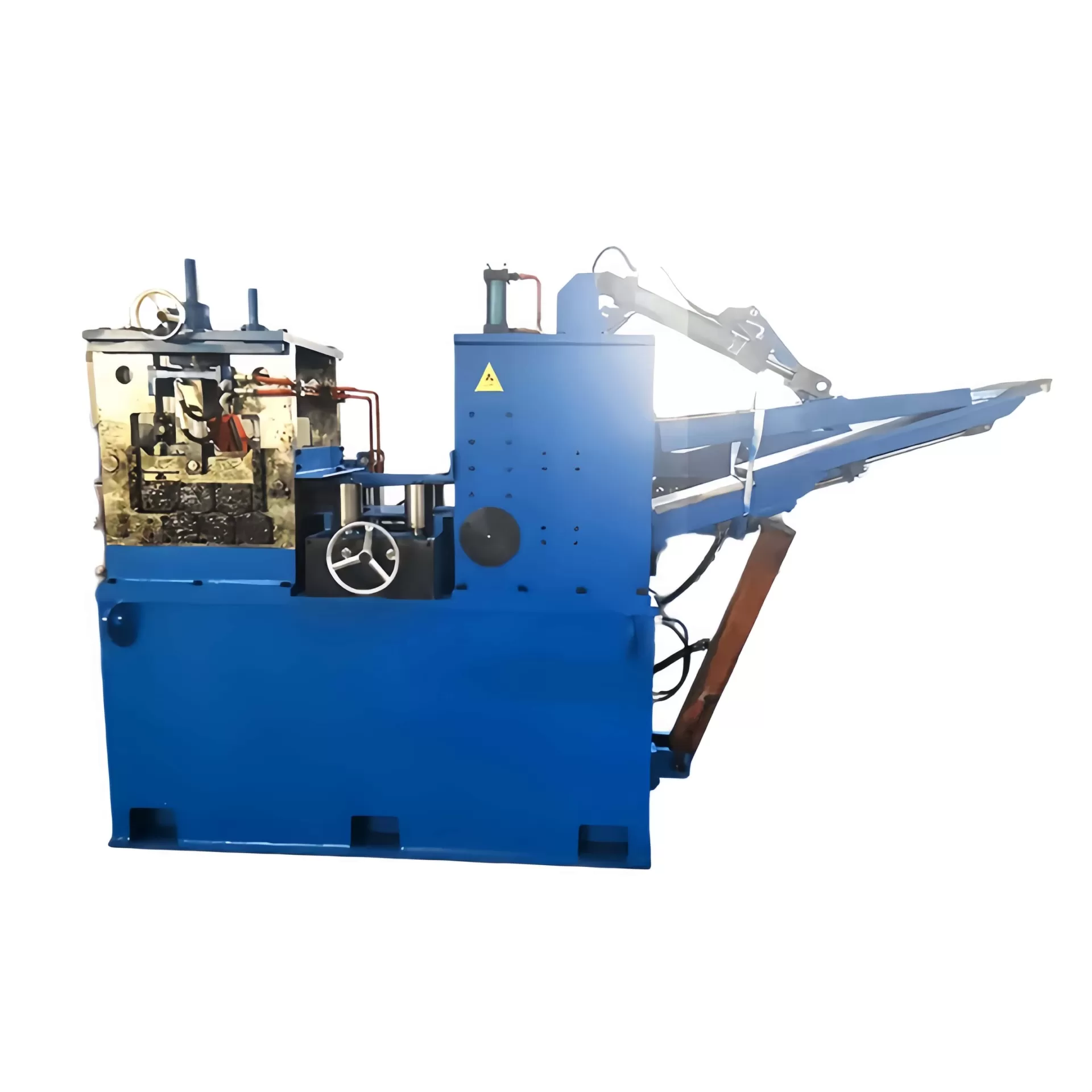
In the high-stakes world of international welded tube and pipe mill manufacturing, efficiency is currency. Every component in the production line must operate at peak reliability to maintain throughput, ensure material quality, and protect the bottom line. At the very start of this line, where coiled steel transforms into a manageable feed, sits a critical workhorse: the steel decoiler. Often underestimated, the performance of your steel decoilers directly influences downstream processes, affecting straightening, feeding, and ultimately, weld integrity. Selecting, operating, and maintaining these units correctly is not an afterthought; its a fundamental requirement. Leading manufacturers like SANSO have built their reputations on engineering decoilers that meet these rigorous industrial demands, focusing on robustness and precision.
Understanding the Critical Role of Steel Decoilers in Your Mill
A steel decoiler is more than just a spindle that holds a coil. It is the first active participant in your material preparation phase. Its primary function is to pay out the metal strip or wire in a controlled, consistent manner, often against a back-tension to prevent looping or tangling. In a tube mill, an inconsistent feed from the decoiler can cause variations in edge alignment, leading to poor weld quality and increased scrap. The right steel decoiler system manages coil weight—which can exceed several tons—smoothly handles coil diameter and width variations, and interfaces seamlessly with subsequent bridles or levellers. Its design dictates how quickly you can changeover coils, a key factor in overall equipment effectiveness (OEE).
How to Choose the Right Steel Decoiler for Your Application
Not all steel decoilers are created equal. The choice depends heavily on your specific operation. Key considerations include coil capacity (weight, inner/outer diameter, and strip width), material tensile strength, and required line speed. For heavier, high-tensile coils, a motorized mandrel-type decoiler with expansion segments and a robust braking system is essential to control the powerful unwinding force. For lighter gauges or finer materials, a simpler cantilevered design might suffice. Pay close attention to the tension control mechanism—whether its mechanical, pneumatic, or electrical—as this is the heart of feed stability. Companies like SANSO often provide configurable models, allowing mills to tailor the decoilers power unit, mandrel type, and support structure to their exact coil specifications and floor space constraints.
Key Advantages of Modern, Well-Engineered Decoilers
Investing in a modern steel decoiler pays dividends across your operation. The most significant advantage is improved yield. Precise, jerk-free unwinding minimizes surface scratches and edge damage on the sensitive material, preserving its quality for forming and welding. Enhanced operator safety is another major benefit, with features like hydraulic mandrel expansion/contraction and motorized coil car integration reducing manual handling of heavy loads. Furthermore, modern designs focus on faster, simpler coil loading, drastically reducing downtime between cycles. This reliability, exemplified by engineered solutions from providers such as SANSO, translates directly to higher productivity and lower long-term operational costs, making the decoiler a strategic asset rather than just machinery.
Best Practices for Operation and Preventative Maintenance
To maximize the return on your steel decoiler investment, a disciplined operational and maintenance routine is non-negotiable. Operators must be trained to center coils correctly on the mandrel to avoid uneven wear and dangerous run-out. Regular inspection schedules are crucial. This includes checking hydraulic or pneumatic systems for leaks, verifying brake pad wear, ensuring all lubrication points are serviced, and examining the mandrel expansion segments for damage or fatigue. Keeping the guide arms and rollers clean and aligned prevents material tracking issues. A log of bearing temperatures and motor amp draws can provide early warning signs of impending failure. Proactive care prevents catastrophic breakdowns that can halt an entire production line.
The Future of Decoiling: Integration and Smart Features
The evolution of steel decoilers is moving towards greater integration and data-driven operation. The future lies in decoilers that are fully networked with the mills central control system, allowing for automated tension profiles based on coil parameters. Predictive maintenance, powered by IoT sensors monitoring vibration, temperature, and torque in real-time, is becoming a reality. These smart steel decoilers can alert operators to maintenance needs before a failure occurs, further boosting uptime. Forward-thinking manufacturers are already incorporating these concepts, driving the standard for what constitutes a high-performance start to the tube manufacturing process.
Ultimately, the humble steel decoiler is a foundational pillar of tube mill efficiency. Its selection and care require as much attention as any welding or forming station. By understanding its role, choosing appropriately for your needs, and committing to rigorous maintenance, you safeguard your entire lines productivity. For mills seeking uncompromising reliability, partnering with an experienced manufacturer known for durable and innovative designs is a wise strategic move. This is where the engineering precision of a brand like SANSO proves its value, offering steel decoilers built to withstand the relentless pace of modern manufacturing while delivering the consistent performance that quality tube production demands.
Frequently Asked Questions (FAQs) About Steel Decoilers
Q1: What is the most common cause of damage to a steel decoiler?
A1: Improper coil loading is a leading cause. Dropping a heavy coil onto the mandrel, failing to center it correctly, or using a mandrel not fully expanded for the coils inner diameter can cause immediate mechanical damage or lead to unbalanced operation and accelerated wear on bearings, brakes, and the spindle itself.
Q2: Can one steel decoiler handle a wide range of coil inner diameters (I.D.)?
A2: It depends on the mandrel design. Many modern decoilers feature a segmented, expanding mandrel that can adjust across a range of I.D.s (e.g., from 500mm to 610mm). For extremely varied I.D. requirements, adaptor sleeves or a completely interchangeable mandrel system may be necessary. Its critical to specify your full range of coil I.D.s when purchasing.
Q3: How does decoiler back-tension affect my tube mill operation?
A3: Correct back-tension is vital. Insufficient tension causes the strip to loop or surge forward, creating feeding instability for the forming section. Excessive tension can stretch or distort the material edge, compromising the subsequent weld. The tension must be smooth and consistent to ensure a stable, uniform feed into the mill stand.
Q4: What’s the difference between a cantilevered and a double-supported decoiler?
A4: A cantilevered decoiler has the mandrel supported only at one end, allowing for easy side-loading of coils. Its suitable for lighter to medium-weight coils. A double-supported decoiler has bearings at both ends of the mandrel, providing much greater rigidity and load capacity for very heavy, wide, or high-tensile coils, but typically requires an overhead crane for coil threading.
Q5: When should I consider upgrading to a motorized (powered) decoiler instead of a drag-type?
A5: Consider a motorized steel decoiler when running high-tensile materials, very heavy coils, or when precise synchronization with downstream equipment (like an accumulator) is needed. A powered decoiler actively helps pay out the material, providing more precise control than a passive drag brake system, reducing the risk of snags and improving feed accuracy in high-speed applications.