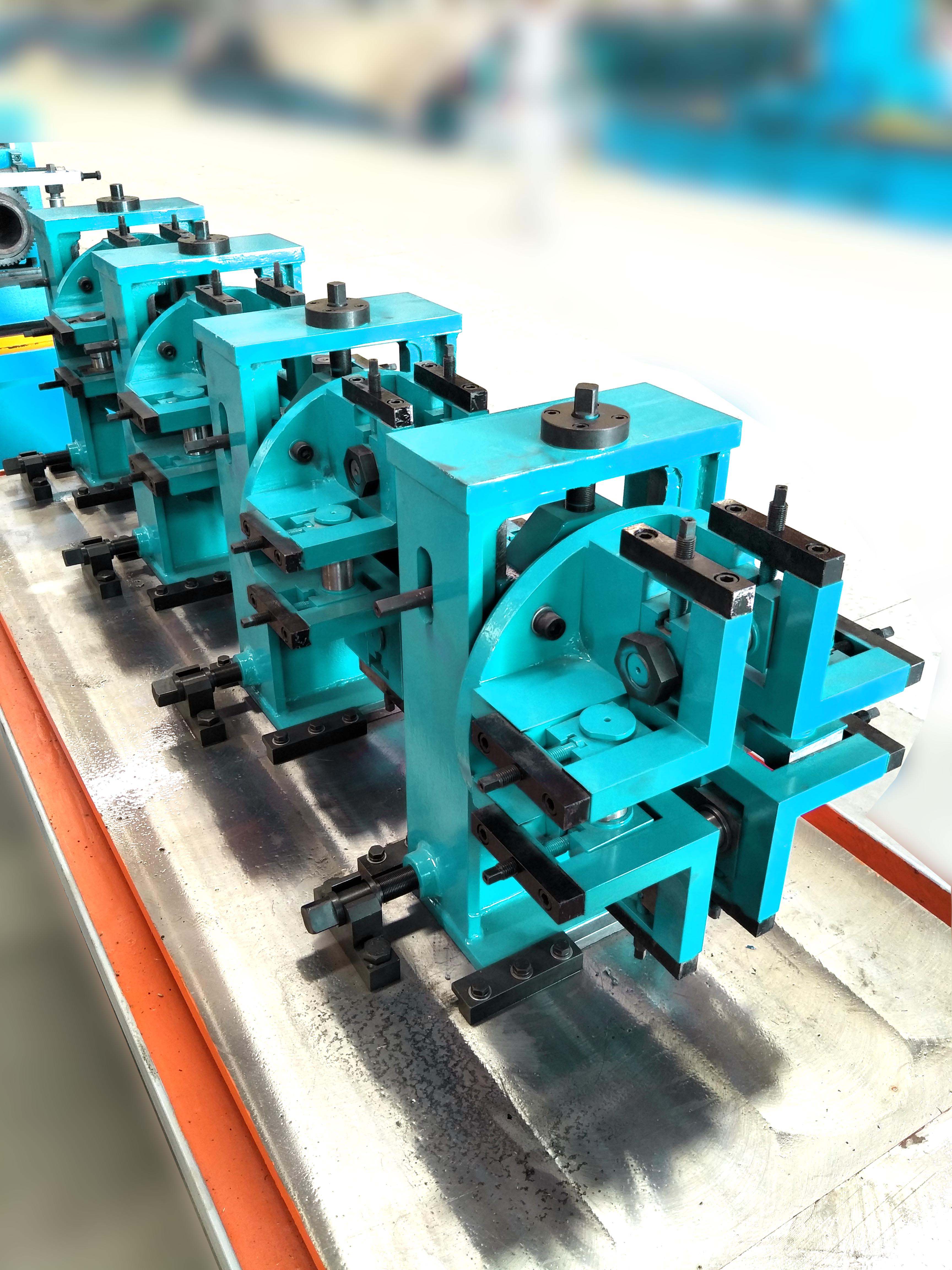
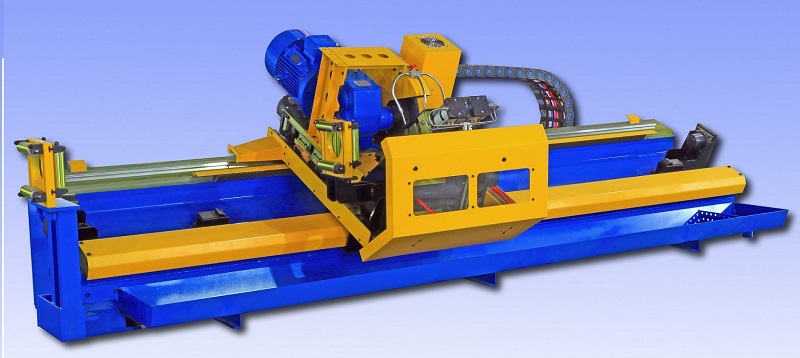
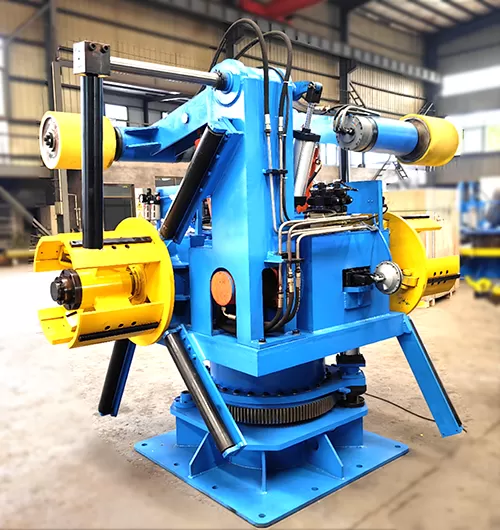
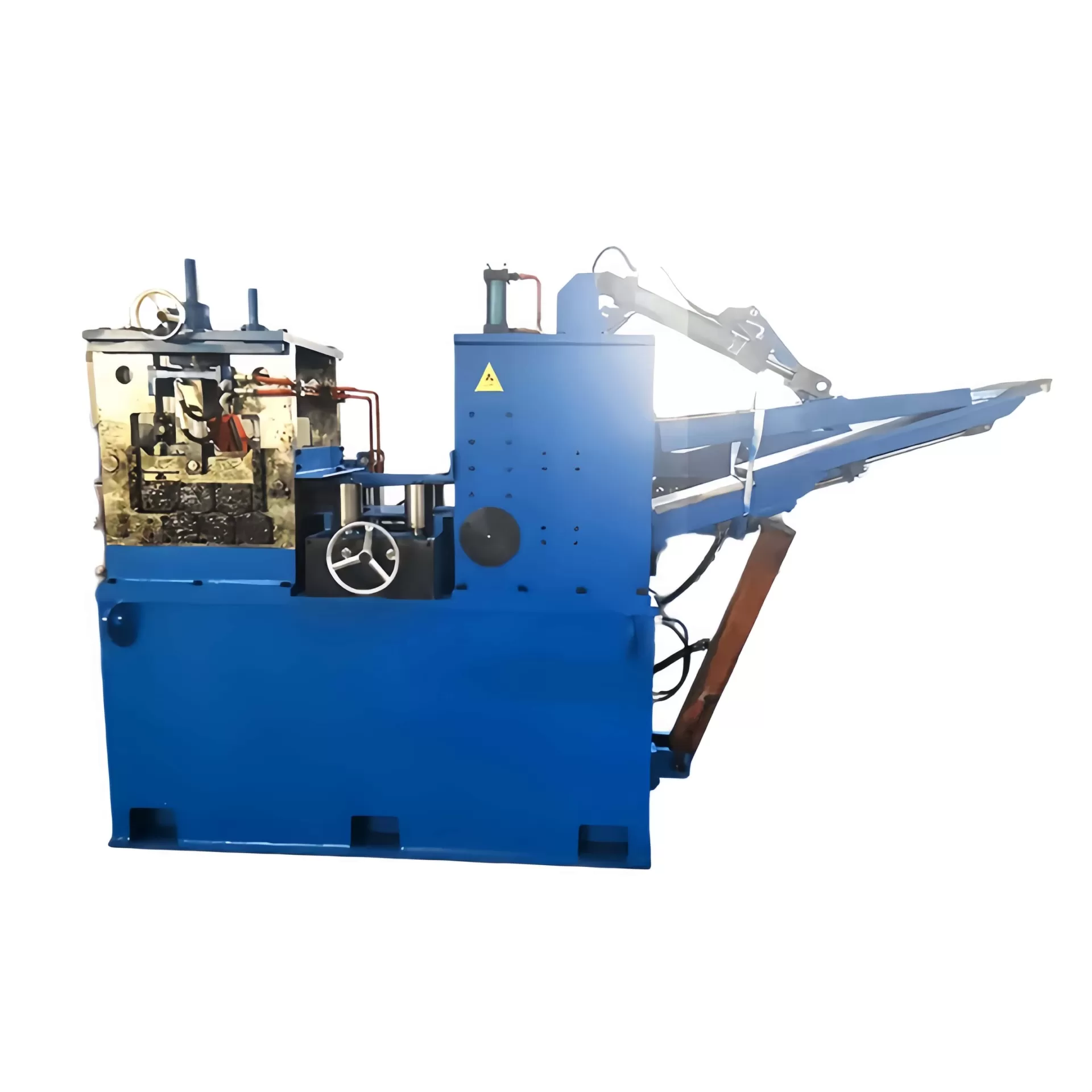
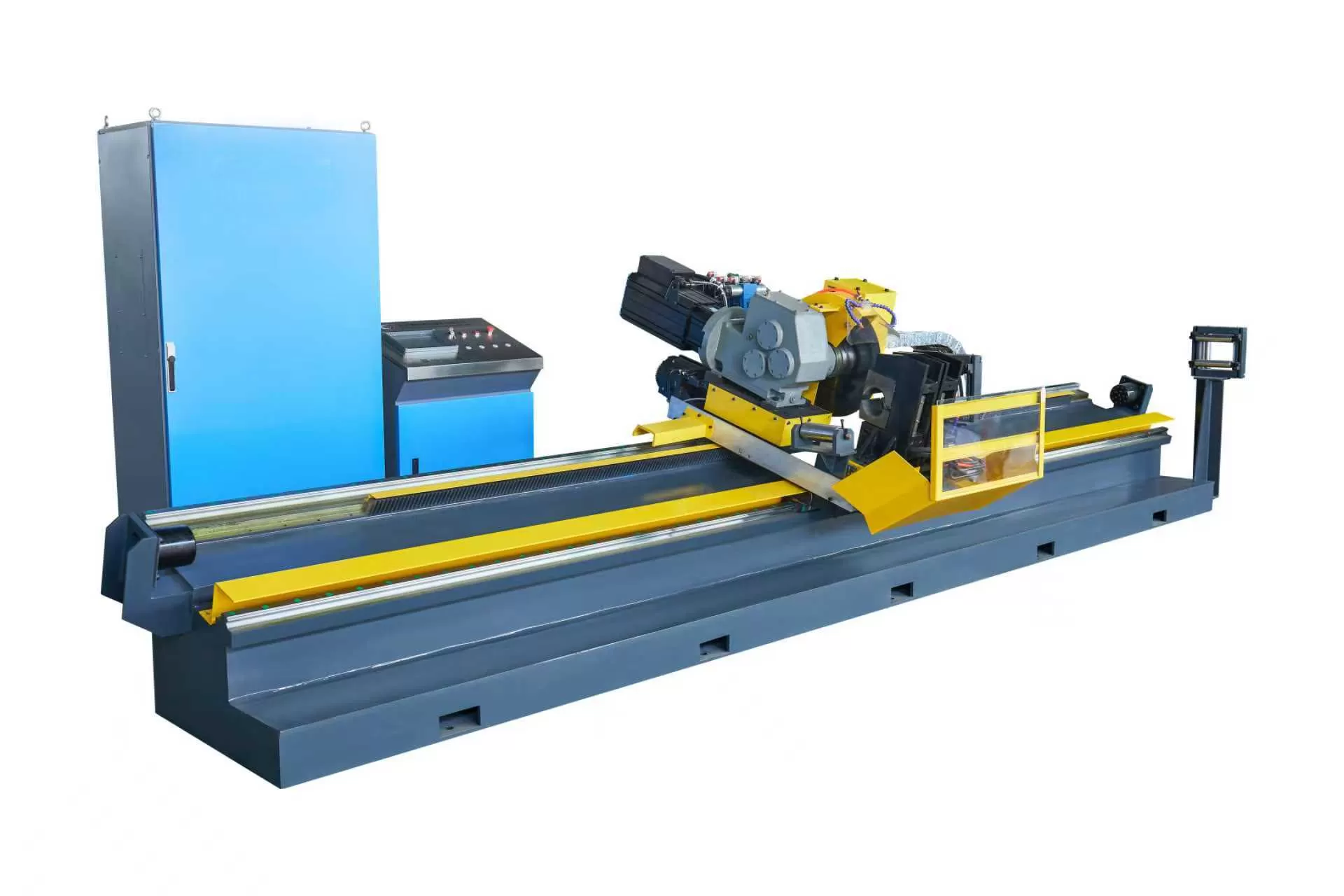
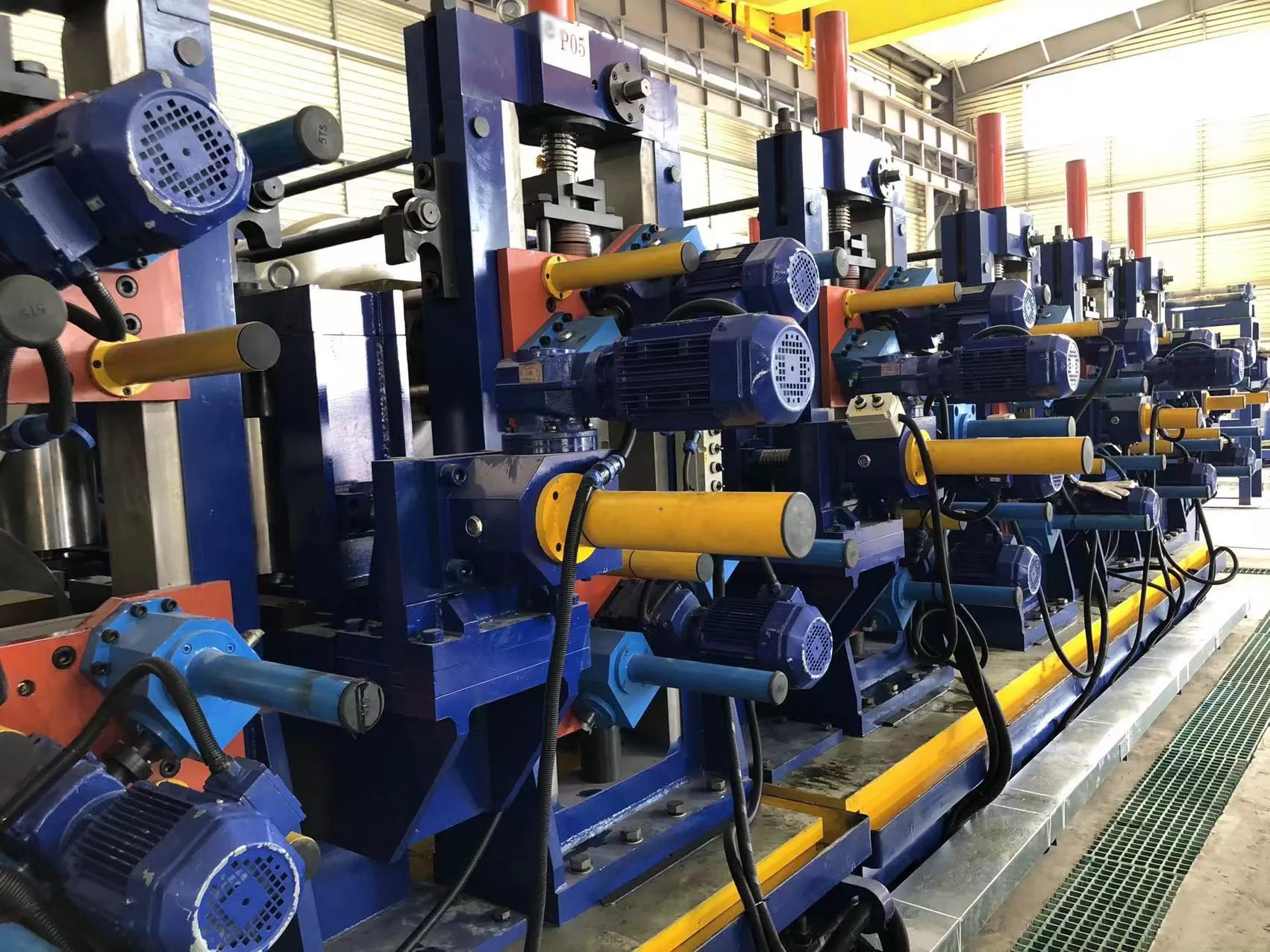
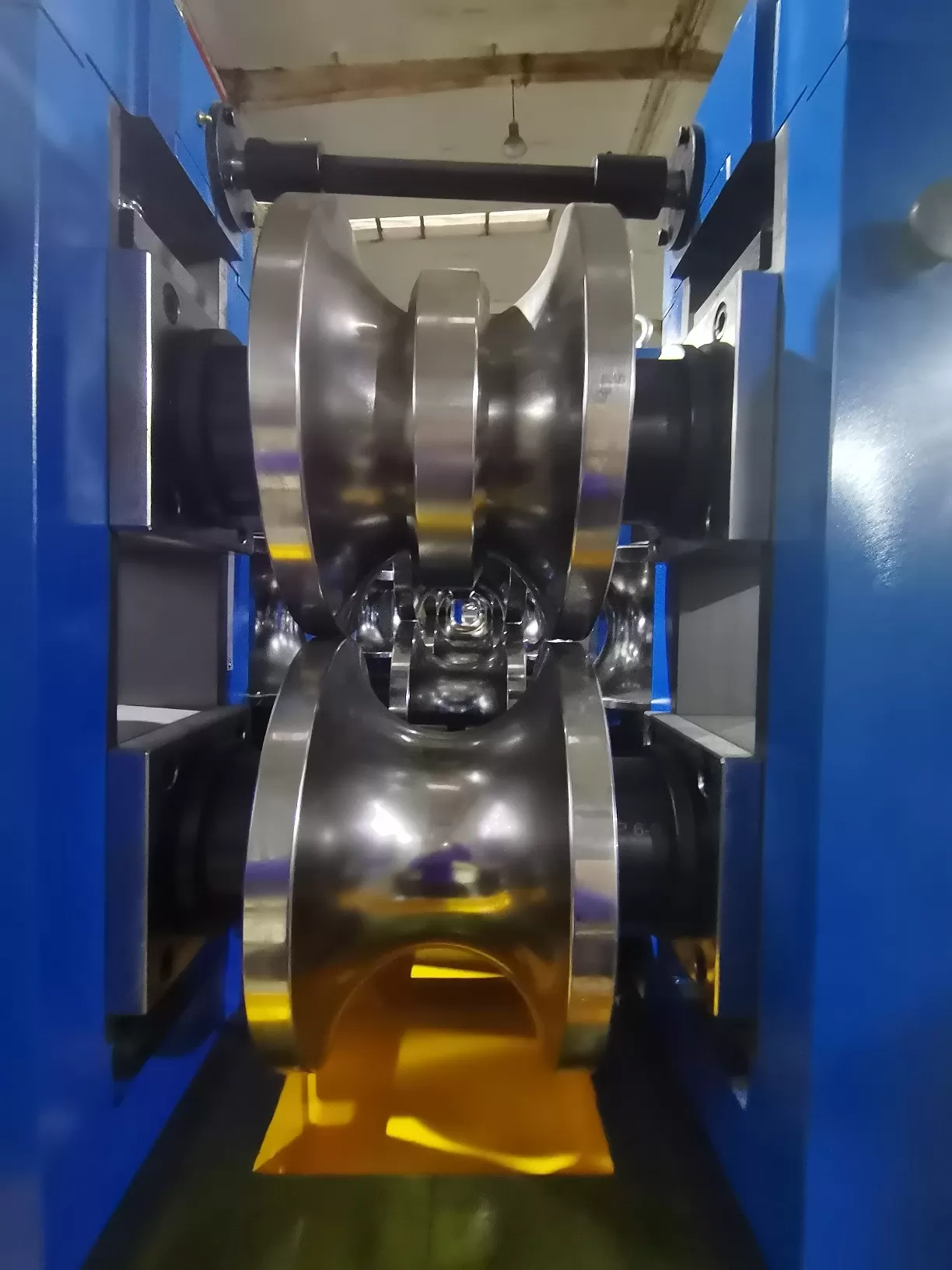
In the demanding world of international welding, tube, and pipe manufacturing, consistency is the bedrock of quality and profitability. Manual handling of heavy coils is not only a safety hazard but also a significant bottleneck, leading to material damage, inconsistent feed, and costly downtime. This is precisely where the automatic decoiler machine becomes an indispensable asset. By automating the loading, straightening, and feeding of metal coil stock, this technology streamlines the very first step of the production line, setting the stage for flawless downstream operations in pipe mills and tube mills. Industry leaders like SANSO have been at the forefront of engineering robust and intelligent decoiling solutions that meet the rigorous demands of modern fabrication.
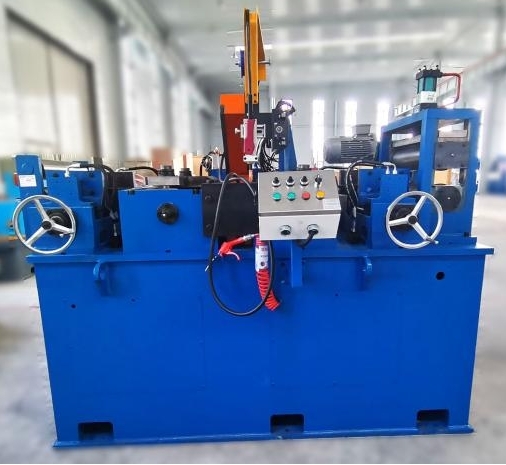
The core function is to efficiently unwind and feed metal coil into a processing line. An operator loads the coil onto the expanding mandrel, which is then secured. The machine’s programmable logic controller (PLC) takes over, automatically managing the decoiling process.
A tension control system, often coupled with a pneumatic or hydraulic brake, maintains consistent material tension. This prevents the coil from unspooling uncontrollably (a problem known as “uncoiling explosion”). The material then typically passes through a straightening unit integrated into or placed after the automatic decoiler machine to remove coil curvature before it enters the main processing equipment, such as a tube mill or roll forming line.
Core Advantages of Integrating an Automatic Decoiler
The shift from manual or semi-automatic decoiling to a fully automatic decoiler machine delivers transformative benefits.
- Dramatically Enhanced Productivity: Automation allows for faster coil changes and continuous operation. Non-productive time is minimized, maximizing machine uptime and overall line speed.
- Superior Material Quality & Consistency: Precise tension control and guided feeding eliminate scratches, kinks, and edge damage common in manual handling. This ensures perfect material presentation to the weld mill, directly improving weld quality and dimensional accuracy of the final pipe or tube.
- Significant Labor and Safety Improvements: These machines drastically reduce the need for heavy lifting and direct operator intervention near moving coils. This lowers labor costs and, most importantly, creates a much safer workshop environment by mitigating risks of crushing injuries and muscle strains.
- Reduced Material Waste: Consistent feeding minimizes threading errors and misfeeds that lead to scrap. The precise control also allows for better utilization of the entire coil, reducing end-of-coil remnants.
- Scalability and Integration: Modern automatic decoiler machine units are designed for seamless integration with pipe mill controls, enabling synchronized operation for a truly automated production cell.
Applications in Welded Tube and Pipe Manufacturing
In the pipe and tube industry, the automatic decoiler machine is the critical first station. Its performance directly impacts every subsequent stage.
For high-frequency (HF) welded tube mills, a steady, vibration-free material feed is non-negotiable for achieving a perfect weld seam. Any hiccup in decoiling can cause weld defects. Similarly, in the production of longitudinal seam pipes or structural tubing, the decoiler ensures the flat sheet or strip is delivered with exacting flatness and alignment into the forming rolls.
Brands like SANSO design their decoilers with these specific challenges in mind, offering models with capacities and tension controls tailored for everything from thin-walled electrical conduit to heavy-duty structural pipe.
Key Features to Look for When Selecting a Machine
Choosing the right automatic decoiler machine requires careful consideration of your production needs.
- Coil Capacity: Determine the maximum coil weight (e.g., 2,000 kg, 5,000 kg, 10,000 kg) and width (e.g., 600mm, 1250mm) your operations require.
- Mandrel Type & Expansion: A durable, well-engineered expanding mandrel is crucial for gripping the coil without damaging the inner diameter. Mechanical or hydraulic expansion are common.
- Tension Control System: This is the heart of the machine. Look for reliable, adjustable systems (pneumatic disc brakes, magnetic particle brakes, or drive-controlled) that offer smooth, consistent tension.
- Material Compatibility: Ensure the machine is built to handle the yield strength and surface finish of your specific material, whether its mild steel, stainless steel, aluminum, or pre-painted coil.
- Leveling and Guiding: Many models come with integrated entry guides and initial straightening devices. Assess if this is needed for your lines precision requirements.
- Control System and Automation Level: From basic manual control to fully automatic, PLC-driven systems with HMI touchscreens for recipe storage. Integration capability with your mill is key.
Maintenance Tips for Longevity and Peak Performance
To protect your investment and ensure continuous operation, regular maintenance of your automatic decoiler machine is essential.
Follow the manufacturers scheduled maintenance guidelines strictly. This typically includes regular lubrication of all bearings, guide rails, and the mandrel mechanism. Inspect the brake system (pads, discs, air pressure) frequently, as this component is critical for safety and performance.
Keep the hydraulic or pneumatic systems clean and check for leaks. Regularly clean the machine to prevent abrasive metal dust buildup on moving parts. Also, periodically check the alignment of the mandrel and entry guides to prevent material run-off.
For any modern welding tube or pipe mill aiming to compete on quality, efficiency, and safety, the automatic decoiler machine is no longer a luxury but a fundamental necessity. It eliminates a major source of variability and risk at the front end of production. By ensuring a flawless, consistent supply of material to the forming and welding stations, it directly contributes to higher output, superior product quality, and a stronger bottom line.
Investing in a reliable machine from an experienced manufacturer is crucial. As a trusted name in tube mill technology, SANSO provides robust automatic decoiler machine solutions engineered for the tough realities of daily industrial production, helping manufacturers worldwide build more competitive and resilient operations.
Frequently Asked Questions (FAQ)
Q1: What exactly is an automatic decoiler machine?
A1: An automatic decoiler machine is a piece of industrial equipment designed to automatically hold, unwind, and feed coiled metal strip (or other flexible materials) into a processing line, such as a tube mill, roll former, or stamping press. It controls tension and often includes initial straightening to prepare the material for the next manufacturing step.
Q2: What are the main benefits over a manual or semi-automatic decoiler?
A2: The primary benefits are greatly increased line speed and productivity, consistent material feed which improves final product quality, enhanced worker safety by removing heavy manual handling, and reduced material waste due to precise control and fewer threading errors.
Q3: Can an automatic decoiler machine handle different coil sizes?
A3: Yes, most modern machines are adjustable. The mandrel expands and contracts to fit different internal diameters (ID), and side arms or guides can often be adjusted to accommodate various coil widths. However, its important to select a machine whose maximum capacity (weight, width, thickness) matches your production range.
Q4: How important is the tension control system?
A4: It is absolutely critical. Precise and reliable tension control prevents the coil from unraveling too fast, maintains proper strip alignment, and ensures a smooth, steady feed into the mill. Poor tension control leads to material damage, misfeeds, weld defects in tube mills, and potential safety issues.
Q5: What routine maintenance does an automatic decoiler require?
A5: Key maintenance tasks include regular lubrication of all bearings and moving parts, inspection and replacement of brake system components (pads, discs), checking hydraulic/pneumatic systems for leaks and cleanliness, verifying mandrel alignment, and keeping the machine free of debris and metal dust.
Q6: Are there options for feeding pre-painted or sensitive materials?
A6: Yes. For painted, coated, or polished materials, you can specify an automatic decoiler machine with non-marking rollers, protective sleeves on the mandrel, and specially designed tension systems that prevent any scratching or surface damage during the uncoiling process.
Q7: Why should I consider a brand like SANSO for this equipment?
A7: SANSO, as a specialist in tube and pipe mill technology, designs decoilers with a deep understanding of the entire production process. Their machines are built for durability, precision integration with downstream equipment, and are backed by industry-specific expertise, ensuring the decoiler is not just a standalone unit but an optimized part of your production cell.