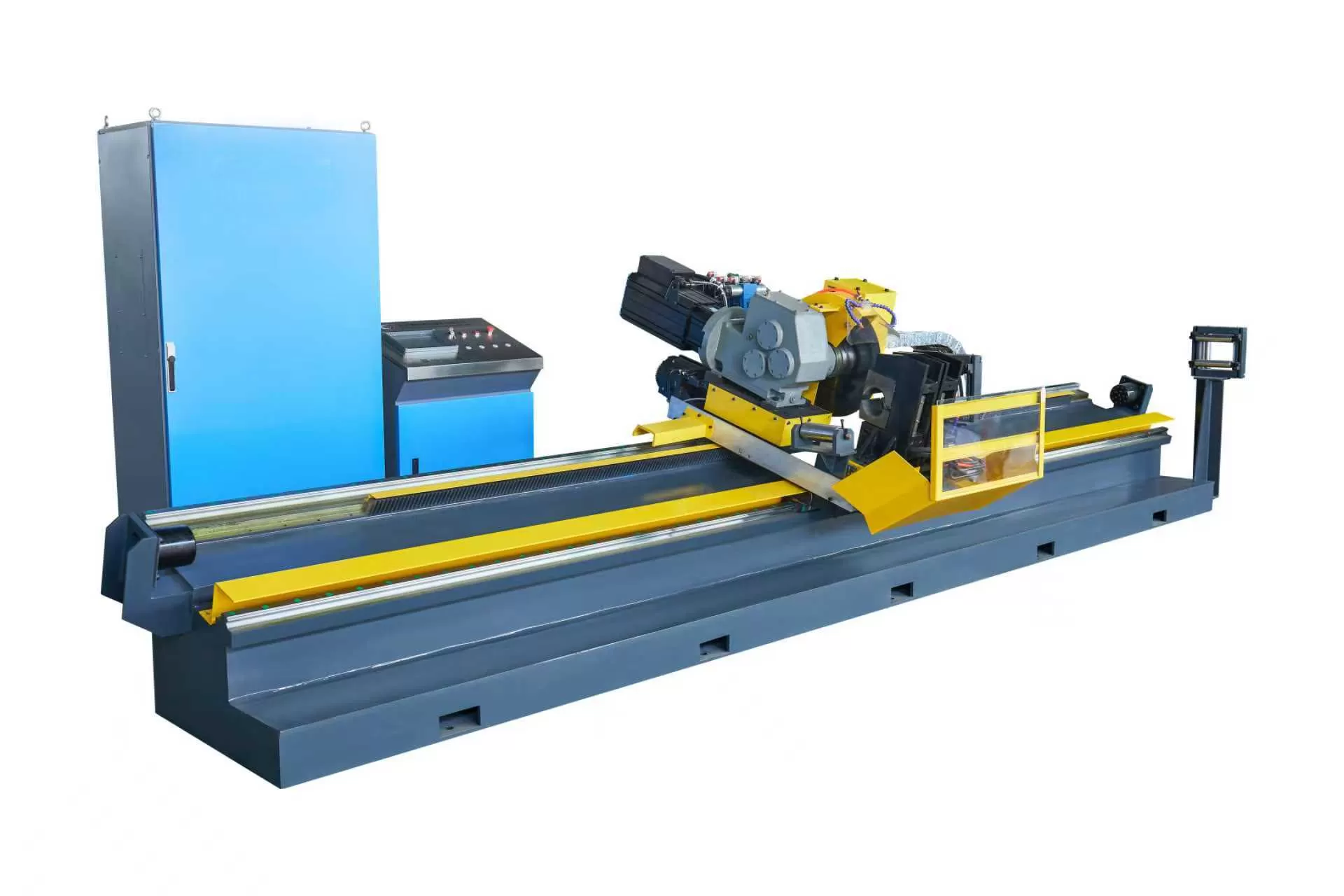
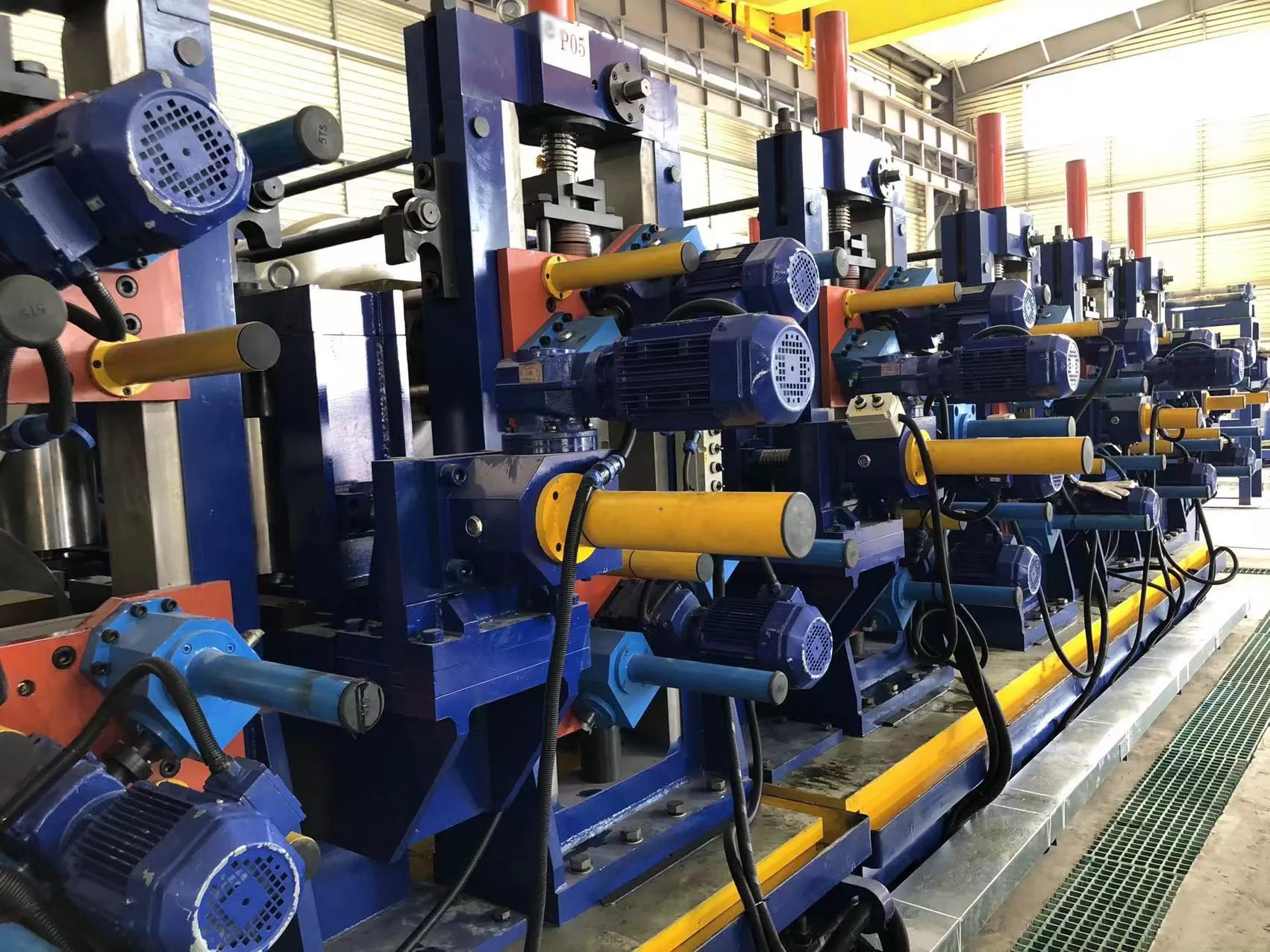
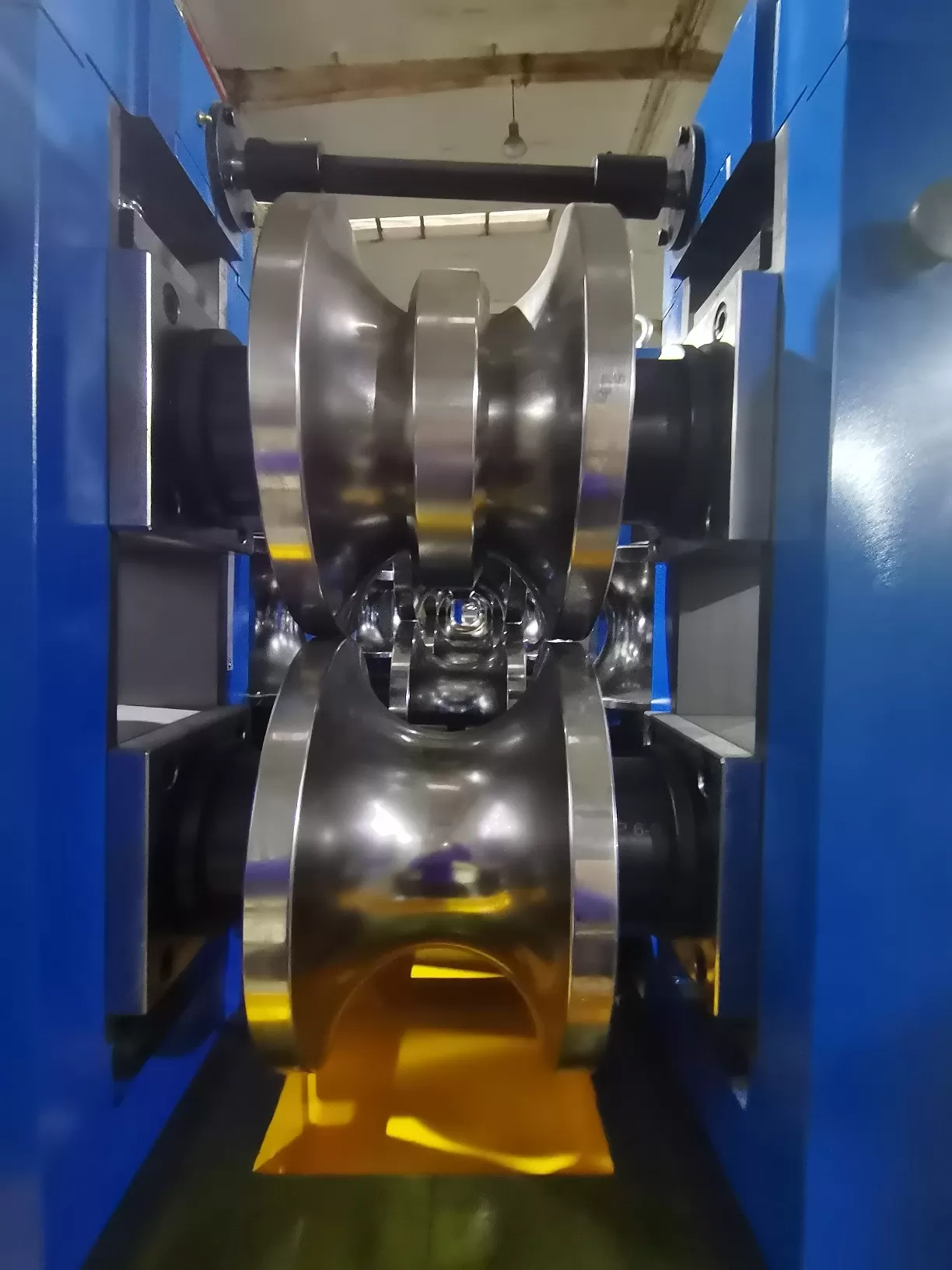
In the high-stakes world of international welded tube and pipe manufacturing, efficiency is measured in meters per minute and downtime is the ultimate enemy. Before any metal is formed, welded, or cut, the entire production process hinges on one fundamental machine: the steel coil decoiler. This workhorse performs the seemingly simple but vitally precise task of unwinding heavy coils of steel strip, feeding the lifeline of raw material into your mill. Its performance directly dictates line stability, product quality, and overall output. For manufacturers seeking reliability, brands like SANSO have built their reputation on engineering decoilers that stand up to continuous, demanding operation.
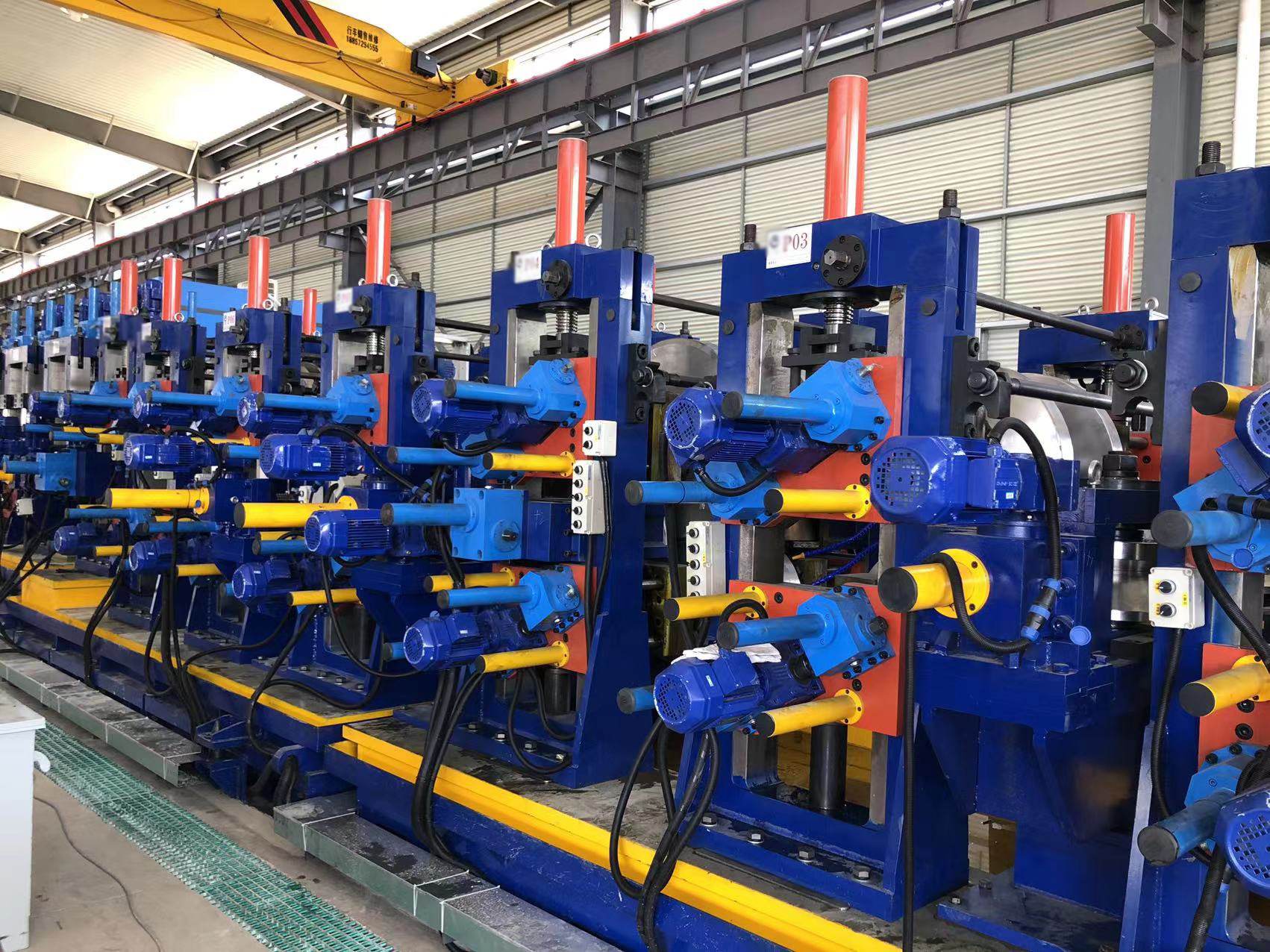
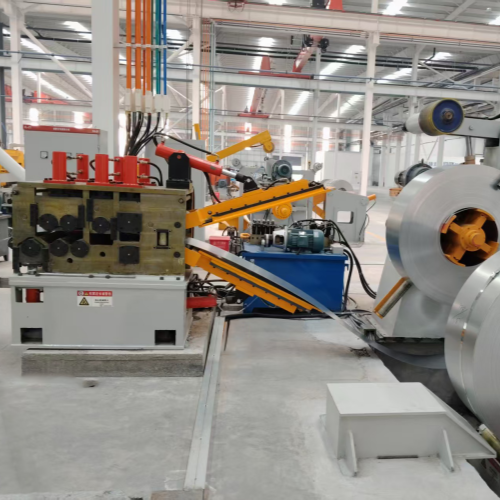
Lets break down the basics. A steel coil decoiler is a robust piece of industrial machinery. Its primary function is to hold a massive, tightly wound coil of steel—often weighing several tons—and unwind it in a controlled, consistent manner.
Think of it as the starting gate for a race. The decoiler doesnt just let the coil run free; it manages the release. It provides the necessary tension and alignment to ensure the steel strip enters the subsequent leveling and forming stages straight, flat, and without slack.
Without this control, youd face immediate problems like edge wave, buckling, or misalignment, which would cripple the entire forming and welding process.
How a Decoiler Works: It’s More Than Just Unwinding
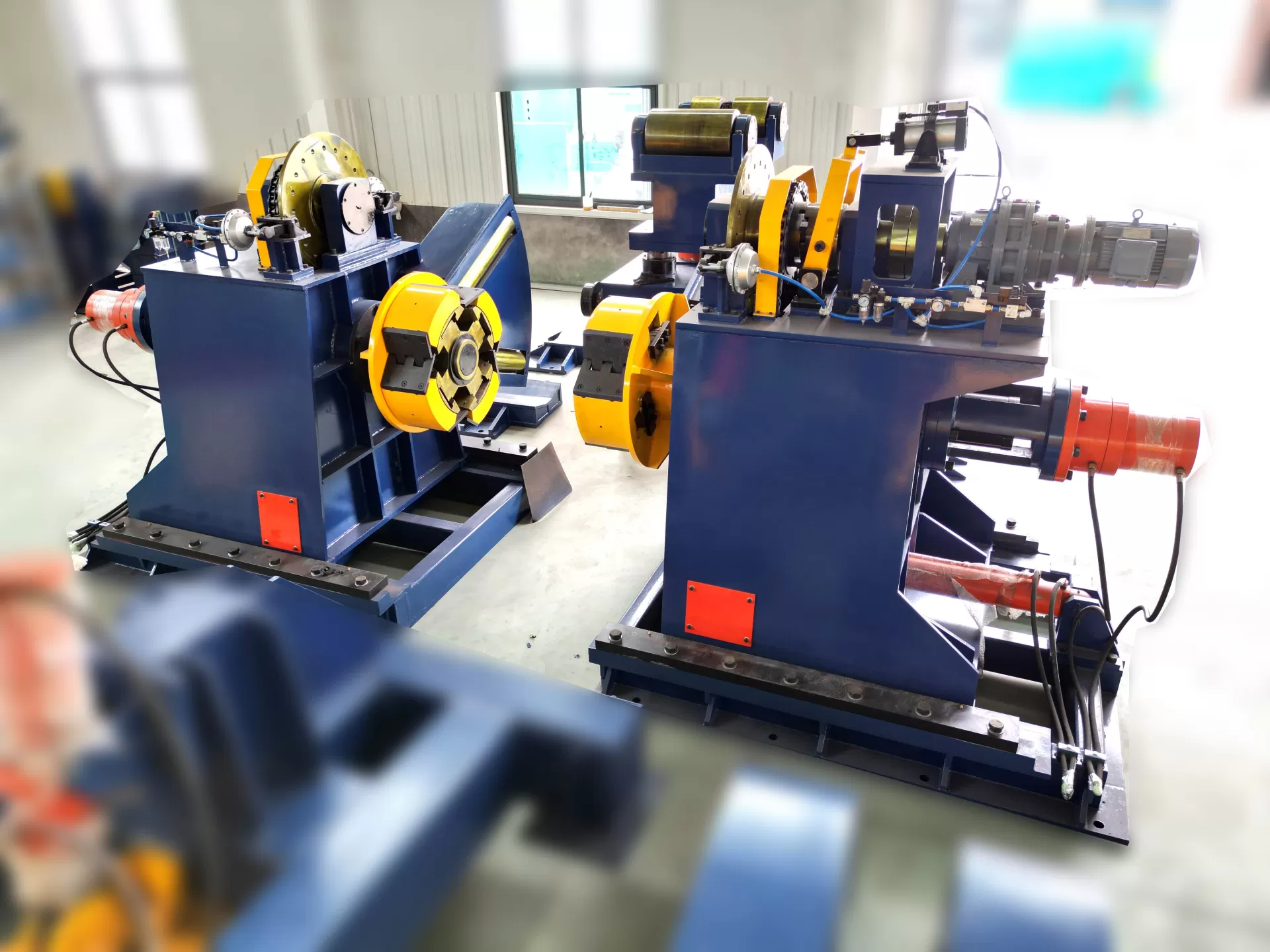
The operation is a coordinated sequence. First, the coil is loaded, typically using an overhead crane or a integrated coil loading car. The heart of the steel coil decoiler is its expanding mandrel. This hydraulic or mechanical shaft inserts into the coils inner diameter (ID) and expands to grip it firmly from the inside.
Once secured, a drive motor, often coupled with a braking system, begins the unwinding process. The key here is controlled pay-off. A tension brake (pneumatic, hydraulic, or electric) creates back tension on the strip. This tension is non-negotiable. It keeps the material taut, prevents it from unraveling uncontrollably, and is the first step in eliminating material memory from the coiling process.
Many modern decoilers, including those from SANSO, are equipped with automatic edge guiding systems. These systems make micro-adjustments to keep the strip centered as it feeds into the line, which is crucial for precise forming.
Different Types of Decoilers for Different Needs
Not all tube mills are the same, and neither are decoilers. The right choice depends on your production volume, coil specifications, and required uptime.
- Single Mandrel Decoilers: These are the most common and versatile workhorses. One mandrel holds one coil at a time. They are cost-effective and suitable for a vast majority of applications. When the coil runs out, the line stops for reloading.
- Double Mandrel (Twin-Head) Decoilers: This design is for high-volume, continuous production. It features two independent mandrels on a rotating or sliding frame. While one coil is feeding the mill, the operator can load and thread the next coil on the second mandrel. This allows for virtually uninterrupted production, maximizing output.
- Cradle-Type Decoilers: Instead of an internal mandrel, the coil rests on a set of powered or idle rollers in a cradle configuration. These are often used for very heavy, wide coils or materials where inserting a mandrel is impractical. They offer excellent support but may require more floor space.
Key Components That Define a Quality Decoiler
When evaluating a steel coil decoiler, look closely at these critical parts. They define its durability and performance.
The mandrel must be massively strong and machined to precise tolerances. It handles the full weight and torque of the coil. Wear plates or pads are essential for long life.
The braking system is the brain of tension control. Whether its a pneumatic disc brake or a more advanced hydraulic system, its responsiveness and adjustability are paramount.
The frame and base must be fabricated from heavy-duty steel to resist deflection and vibration under load. A shaky decoiler means a wavy strip.
Finally, the control integration is key. A good decoiler should communicate seamlessly with the mills main PLC, allowing for synchronized start/stop and speed control.
The Decoilers Role in Tube Quality and Yield
This is where the steel coil decoiler proves its worth as a strategic asset, not just a piece of hardware. It is the first point of process control. Any inconsistency here—a jerky release, uneven tension, or poor alignment—propagates down the entire line.
A poor feed can lead to bad shape in the forming rolls, unstable welding arcs, and inconsistent tube dimensions. This results in scrap, rework, and reduced yield. A precision-engineered decoiler, like those designed for SANSOs complete tube mill lines, provides the stable foundation necessary for producing high-tolerance, consistent-quality welded tube and pipe.
Selecting the Right Decoiler: Key Questions to Ask
Choosing a decoiler is a significant capital decision. Ask these questions:
- What is my maximum coil weight (tonnage) and width?
- What is the range of coil Inner Diameters (ID) and Outer Diameters (OD) I need to handle?
- What is my target line speed? The decoiler must be able to pay off material at this rate without bottlenecking.
- What material grades will I run? High-strength steel requires more powerful tension control.
- Do I need features like automatic threading or an integrated peeler head to separate the coils outer layers?
Future-proofing is wise. Investing in a slightly larger capacity than your current needs can save costly upgrades later.
Maintenance and Safety: Non-Negotiable Practices
A decoiler is a heavy-duty machine that demands respect and routine care. Regular maintenance is the cheapest insurance against downtime.
Lubricate all moving points as per the manual. Regularly inspect the mandrel for wear and damage. Check hydraulic hoses and pneumatic fittings for leaks. Test the function of the brake system and all safety interlocks.
Safety is paramount. Ensure all safety guards are in place, especially around the rotating mandrel and coil. Emergency stop cables or buttons must be accessible and functional. Strict lockout/tagout (LOTO) procedures must be followed during any maintenance. Proper training for coil loading, which is a high-risk activity, is essential.
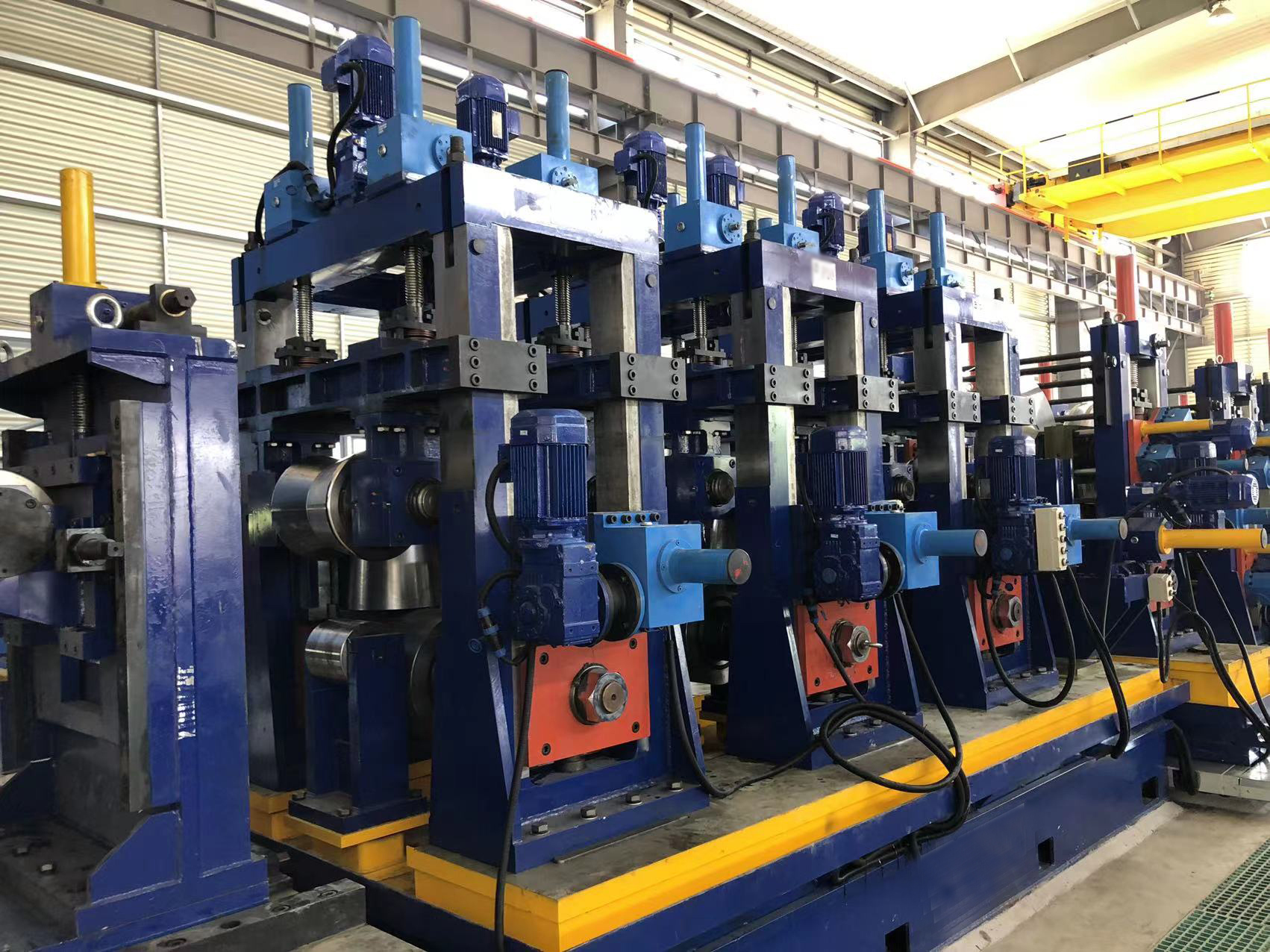
Driving Efficiency from the Start
In the end, the importance of the steel coil decoiler is foundational. It is the gatekeeper of your material flow and the first defender of your product quality. Opting for a machine built with robust components, intelligent design, and proven reliability pays continuous dividends in reduced downtime, higher yield, and consistent output.
For manufacturers looking to build or upgrade a line, partnering with an experienced supplier like SANSO, who understands the synergy between the decoiler and the rest of the mill, is a critical step toward achieving production goals.
Frequently Asked Questions (FAQ)
Q1: Is there a difference between a "decoiler" and an "uncoiler"?
A1: In the tube and pipe industry, the terms "decoiler" and "uncoiler" are almost always used interchangeably. Both refer to the machine that unwinds a coil of metal strip. You may see regional or brand preferences for one term over the other, but they describe the same essential equipment.
Q2: Why is back tension so important on a decoiler?
A2: Back tension serves several crucial functions. It prevents the steel strip from loosening and spiraling out of control ("cobwebbing"). More importantly, it applies a gentle stretching force that begins to work out the coils natural curvature (coil set) and ensures the strip feeds into the leveler tightly and flatly. This is the first step in creating a flat, workable material.
Q3: Can I run aluminum coils on my steel decoiler?
A3: It is possible, but with important caveats. Aluminum is softer and requires different, often more sensitive, tension settings to avoid stretching or surface marking. The mandrel may need non-marking pads or sleeves to prevent damaging the softer metal. Always consult with your decoiler manufacturer, like SANSO, to see if your specific machine is suitable or requires modifications.
Q4: What are the most common causes of decoiler-related line stoppages?
A4: Common issues include loss of tension (causing slack loops), misalignment due to a faulty edge guide, mechanical failure of the mandrel or brake system, and simply running out of coil on a single-mandrel setup. Many of these can be minimized with preventative maintenance and, for high-uptime needs, by using a double-mandrel decoiler.
Q5: How do I know if my decoiler is too small for my operation?
A5: Clear signs include the machine struggling to maintain consistent tension at higher line speeds, excessive vibration or frame flexing when handling full-weight coils, and frequent breakdowns of the drive or brake components. If youre consistently purchasing coils that are at or beyond the machines rated weight or width capacity, its a strong sign you need to upgrade.