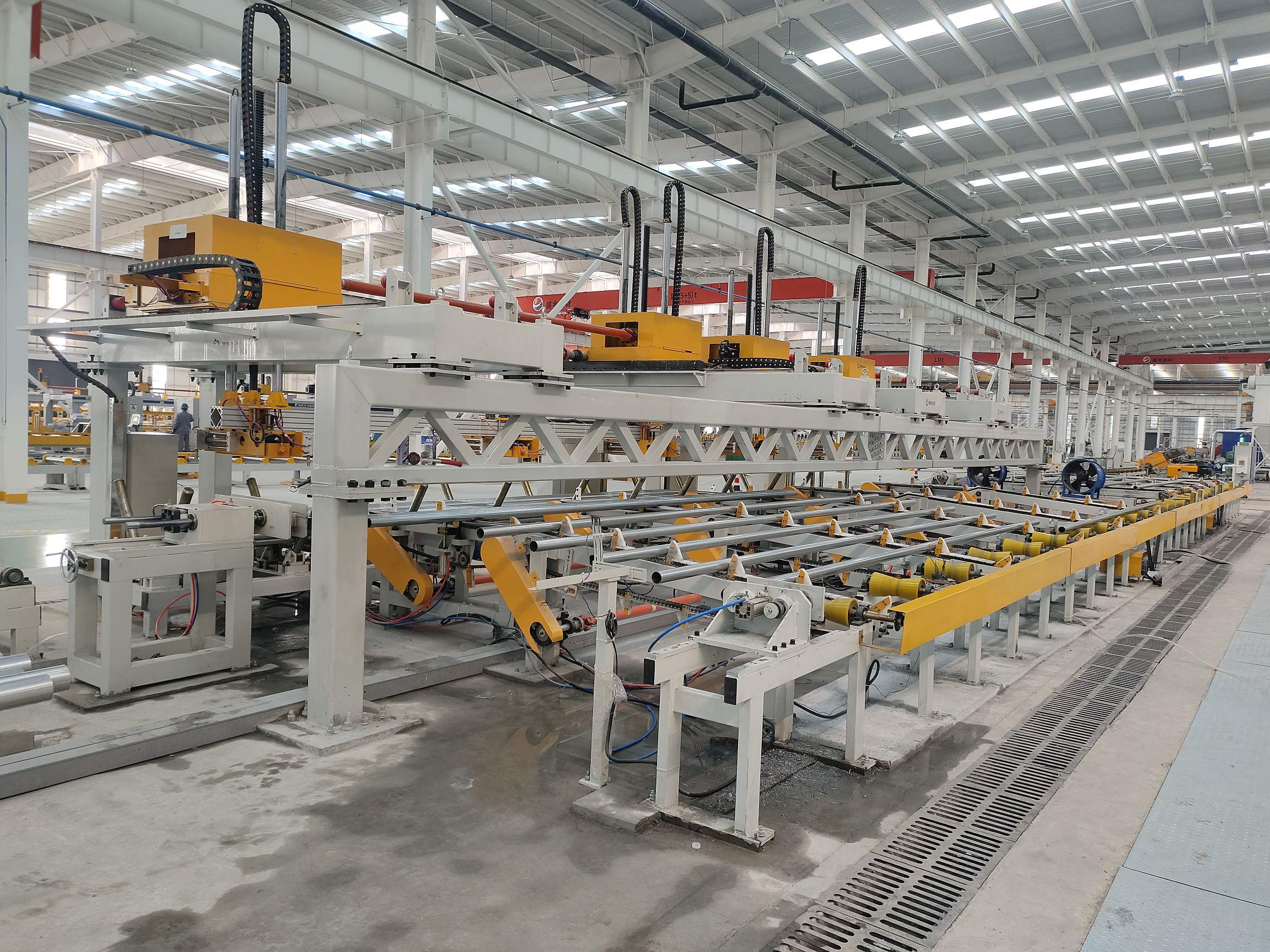
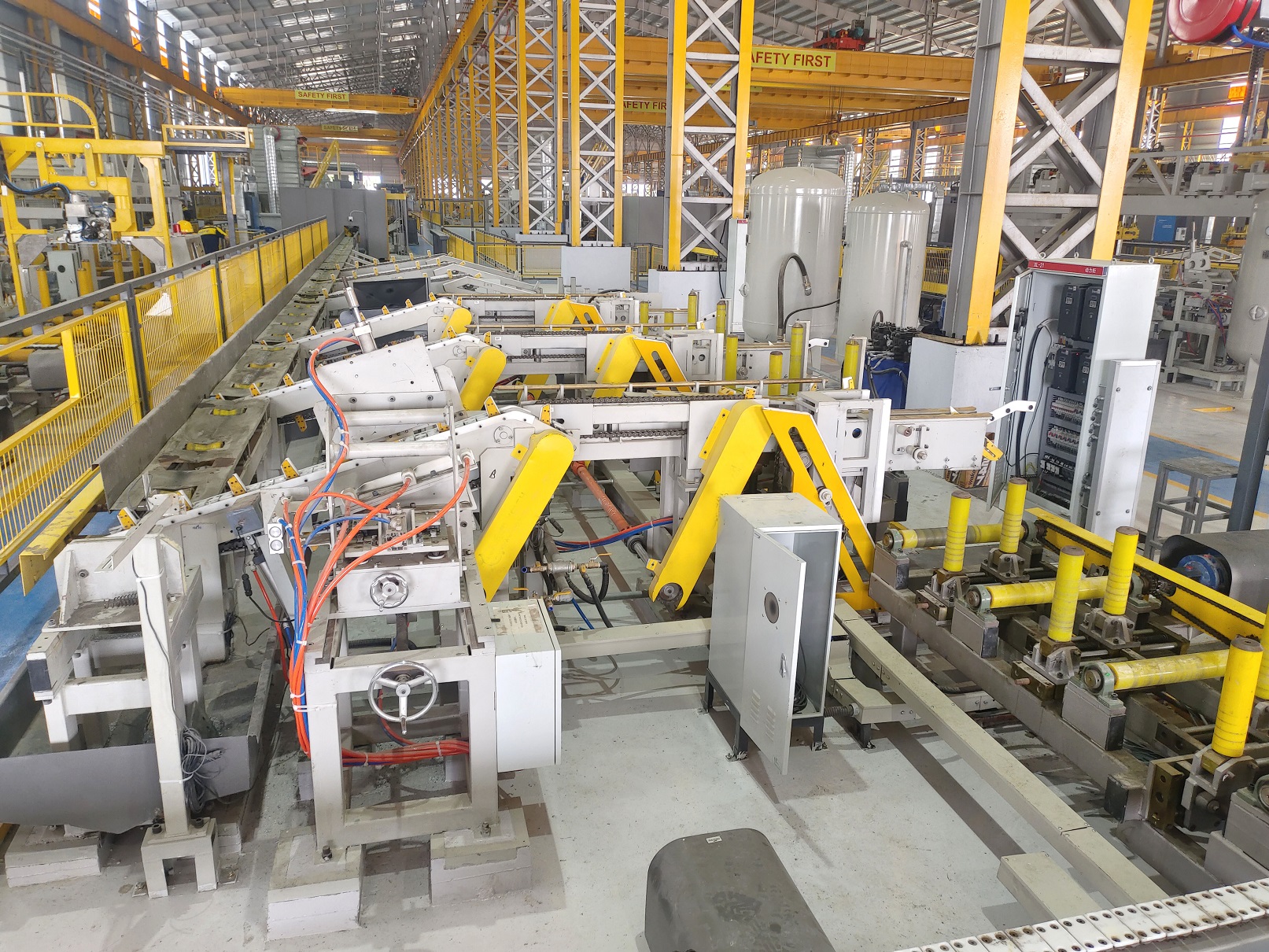
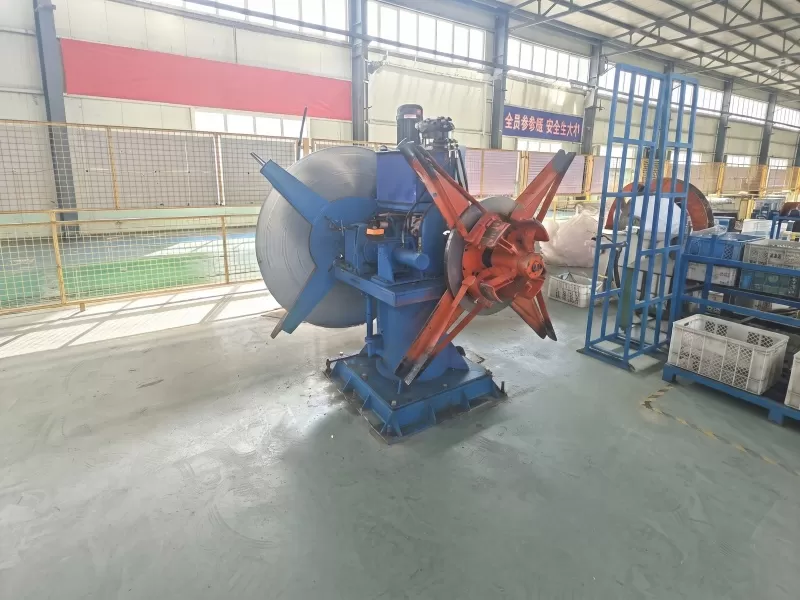
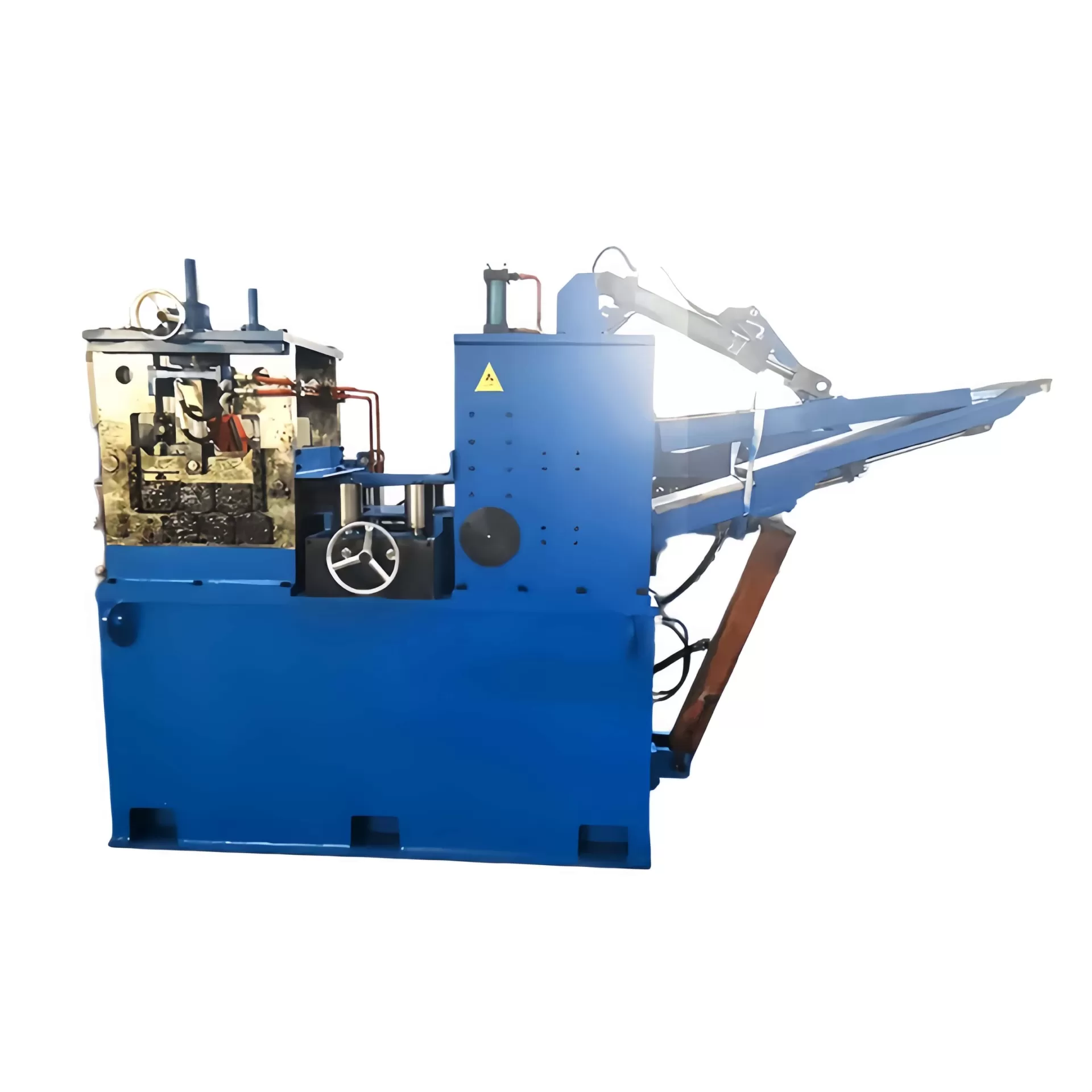
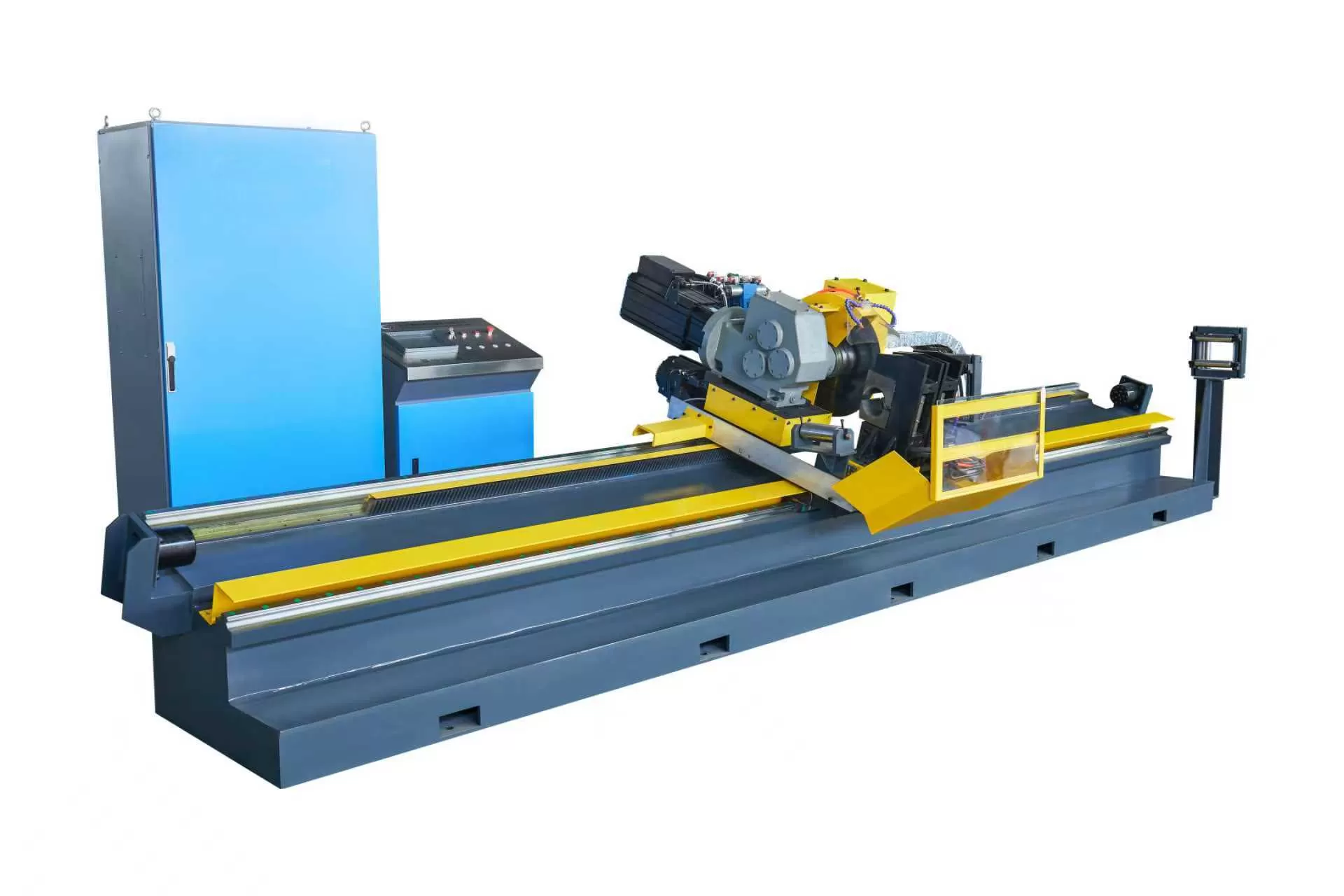
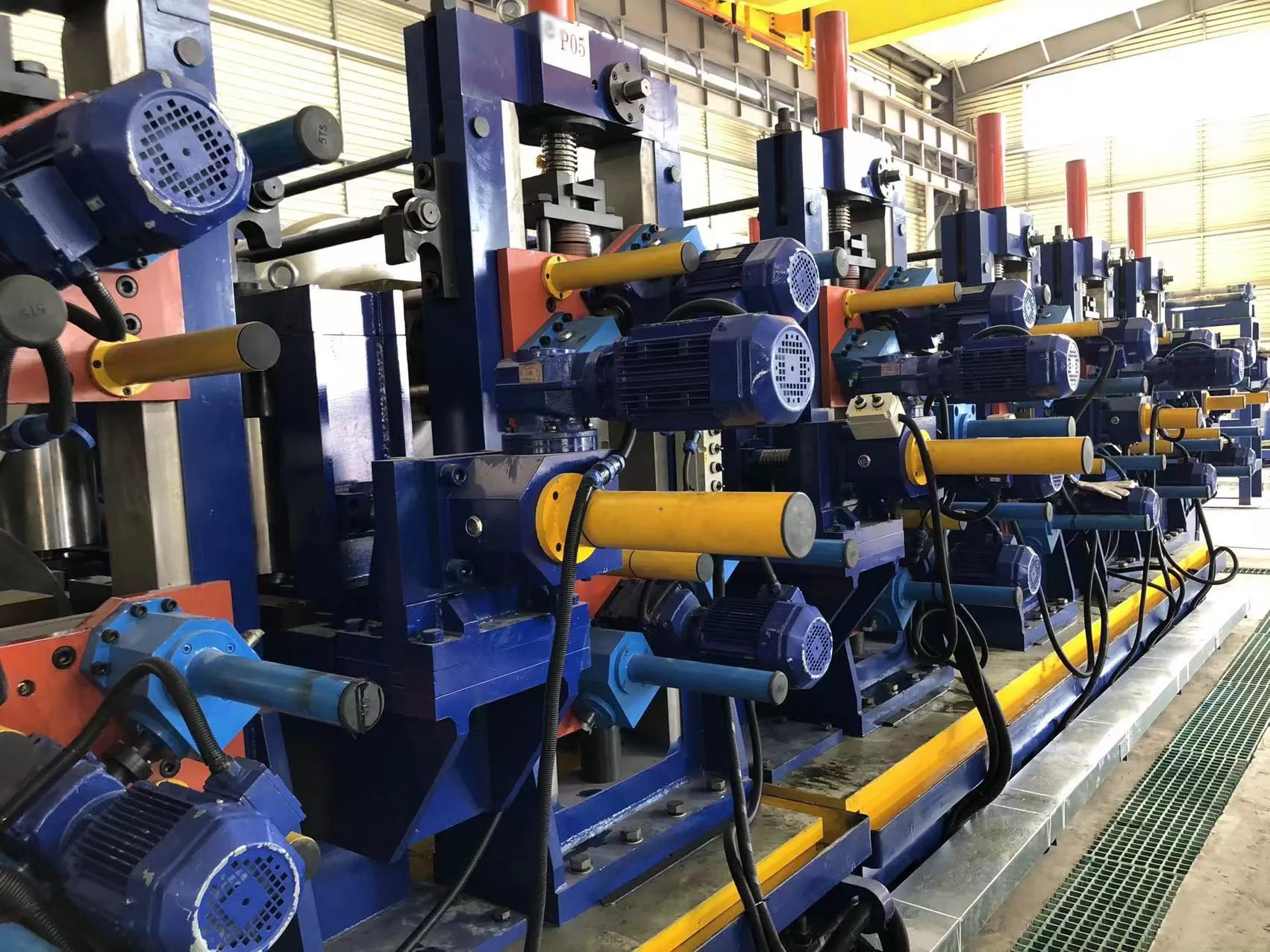
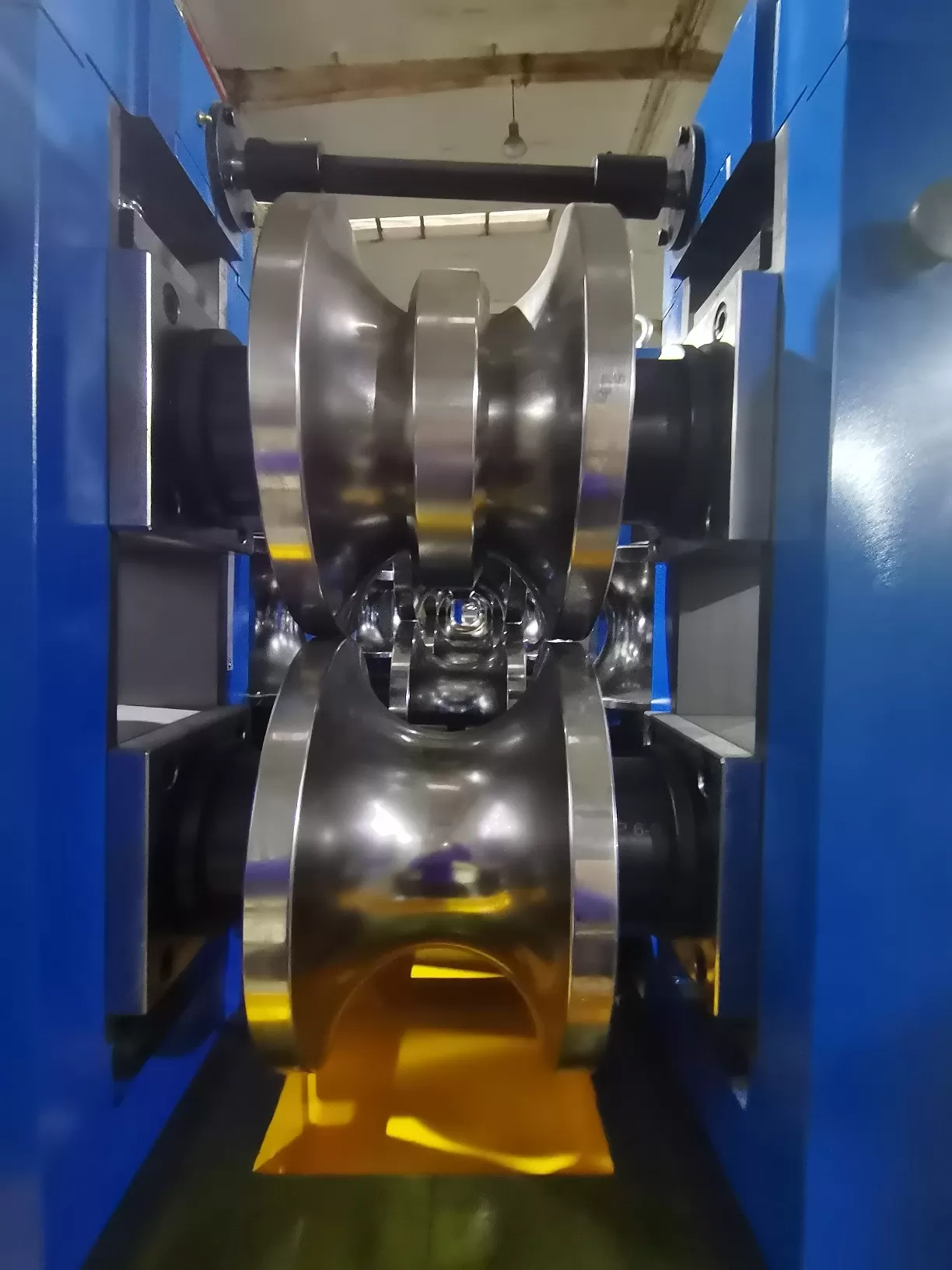
In the world of international welded tube and pipe manufacturing, efficiency, precision, and material handling are paramount. At the very start of most production lines, a critical piece of equipment sets the tone for the entire operation: the steel coil uncoiler. This machine is responsible for feeding the raw material—the coiled steel strip—into the subsequent processes of leveling, forming, welding, and cutting. A robust and reliable steel coil uncoider is not just an accessory; its the foundation of a smooth-running, high-output mill. Brands like SANSO have dedicated significant engineering efforts to perfecting this essential component, ensuring it meets the rigorous demands of modern pipe and tube production.
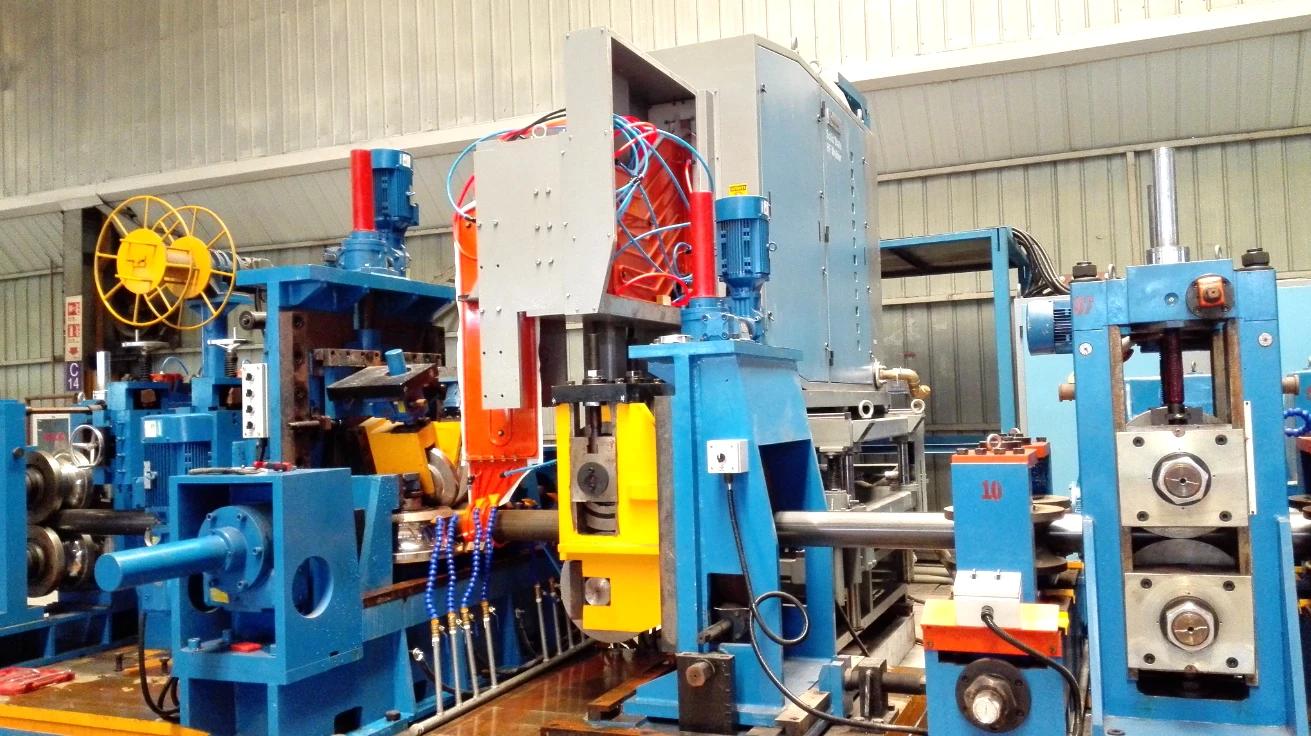
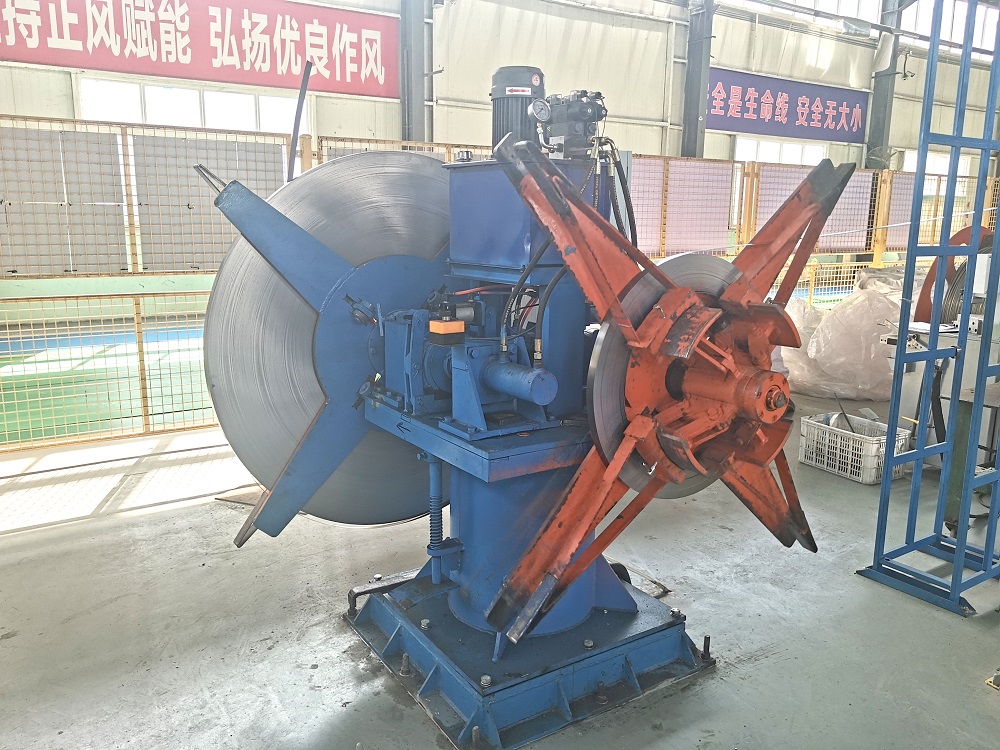
At its core, a steel coil uncoiler is a mechanized device designed to hold a heavy coil of steel strip and unwind it in a controlled, consistent manner. The process begins with loading the coil, typically using a crane or a hydraulic mandrel expansion system. Once secured, the machines drive mechanism, often coupled with a tensioning or braking system, begins to pay out the metal strip. The primary goal is to transform a static, heavy coil into a moving, flat strip ready for the next stage. Precise control over the unwinding speed and tension is crucial to prevent material distortion, edge wave, or buckling, which could compromise the final tube quality.
Not all uncoiling applications are the same. The choice depends on coil weight, width, material thickness, and required line speed. Common types include:
- Single Mandrel Uncoilers: The most common design. A hydraulic or mechanical mandrel expands to grip the coil from the inside. Suitable for a wide range of coil sizes and weights. They are a staple in many SANSO feeder line configurations.
- Double Mandrel / Twin-Head Uncoilers: These feature two uncoiling stations. While one is feeding the line, the next coil can be loaded and prepared on the other mandrel. This allows for continuous, non-stop production, drastically reducing downtime—a key feature for high-volume manufacturers.
- Cradle-Type Uncoilers: Instead of gripping from the inside, the coil rests on driven or idle rollers in a cradle. Often used for heavier, wider coils or where mandrel insertion is impractical.
- Vertical Uncoilers: The coil is mounted vertically. These save floor space but are generally used for lighter gauge materials or narrower strips.
Essential Features of a High-Performance Uncoiler
When selecting a steel coil uncoiler for a welding pipe mill, several features are non-negotiable. A strong, wear-resistant mandrel is critical for handling heavy loads without deformation. An integrated tension brake—pneumatic, hydraulic, or electric—is essential for creating back tension, which keeps the strip taut and stable. A coil car or hydraulic lift table is often necessary for easy and safe loading. Furthermore, modern uncoilers from advanced manufacturers incorporate automatic edge guidance systems (EGUs) to ensure the strip enters the leveler straight, and programmable logic controllers (PLC) for seamless integration with the rest of the mill line.
The Vital Role in the Tube Manufacturing Process
The importance of the steel coil uncoiler cannot be overstated. It is the first point of material control. Any inconsistency here—jerky movement, incorrect tension, or misalignment—ripples down the entire line. It can cause poor forming, unstable welding, and dimensional inaccuracy in the final tube or pipe. A precision-engineered uncoiler ensures a smooth, steady, and aligned feed of material, which is the absolute prerequisite for producing high-quality welded sections. This is where the engineering precision of a brand like SANSO becomes evident, as their equipment is built to deliver this critical consistency.
How to Choose the Right Uncoiler for Your Application
Selecting the correct uncoiler involves a detailed assessment of your production needs. Key considerations include maximum coil weight (in tons), inner diameter (ID) and outer diameter (OD) range, maximum strip width and thickness, and the required maximum line speed. You must also consider future needs—will you handle heavier coils later? The material grade (high-strength steel, stainless, etc.) also influences the required power and strength of the machine. Consulting with an experienced manufacturer who understands the entire pipe mill ecosystem is crucial for making the right investment.
Maintenance and Safety Best Practices
Like all heavy machinery, a steel coil uncoiler requires regular maintenance to ensure longevity and safety. Routine checks should include inspecting the mandrel for wear and damage, verifying hydraulic or pneumatic systems for leaks, ensuring all brakes and clutches are functioning correctly, and lubricating all moving parts. Safety is paramount. Proper guarding around the rotating mandrel and coil, emergency stop systems, and lockout/tagout procedures during maintenance are essential to protect operators. Training personnel on correct loading and threading procedures is equally important.
Why Reliability Matters: The SANSO Approach
In an industry where downtime translates directly to lost revenue, the reliability of every component is critical. A malfunctioning uncoiler can stop an entire production line. This is why investing in a well-built machine from a reputable source pays dividends. Manufacturers like SANSO focus on robust construction, high-quality components, and designs that simplify maintenance. Their experience in supplying complete tube mill lines means their uncoilers are engineered to integrate perfectly and perform reliably under continuous industrial stress, supporting the goal of uninterrupted, high-quality tube production.
Ultimately, the steel coil uncoiler is a foundational pillar of productivity in welded tube manufacturing. Its role in ensuring a smooth, controlled start to the production process makes it far more than just a simple unwinding device. By understanding its types, features, and maintenance needs, and by choosing a reliable partner for this equipment, manufacturers can build a stronger, more efficient, and more profitable foundation for their entire operation.
Frequently Asked Questions (FAQ)
Q1: What is the main purpose of a steel coil uncoiler in a tube mill?
A1: The primary purpose of a steel coil uncoiler is to securely hold a heavy coil of steel strip and unwind it in a controlled, consistent manner with proper tension. It feeds the raw material smoothly into the leveling and forming stages of the tube mill, setting the foundation for the entire production process.
Q2: What is the difference between a single and double mandrel uncoiler?
A2: A single mandrel uncoiler has one station for holding and unwinding a coil. Production must stop to load a new coil. A double mandrel (twin-head) uncoiler has two stations, allowing operators to load and prepare the next coil while the current one is still feeding the line. This enables continuous, non-stop production and is ideal for high-volume operations.
Q3: How important is tension control on an uncoiler?
A3: Tension control is critically important. Proper back tension prevents the steel strip from loosely spooling off the coil, which can cause edge wave, buckling, or misalignment. Consistent tension ensures the strip enters the leveler straight and flat, which is essential for forming a uniform, high-quality tube.
Q4: What safety features should I look for on an uncoiler?
A4: Essential safety features include physical guarding around rotating parts (mandrel, coil), emergency stop buttons within easy reach, a safety pin or lock for the mandrel during coil loading, and integrated electrical lockout/tagout points. Proper operator training on loading procedures is also a key safety component.
Q5: Can the same uncoiler handle different coil sizes?
A5: This depends on the machines design. Most standard uncoilers are built to handle a range of coil inner diameters (e.g., 508mm to 610mm) and widths. However, there are physical limits to the maximum outer diameter (OD) and weight based on the machines strength and frame size. Its vital to choose an uncoiler whose capacity range matches your current and anticipated future production needs. Manufacturers like SANSO can provide models with adjustable components to accommodate a wider range.