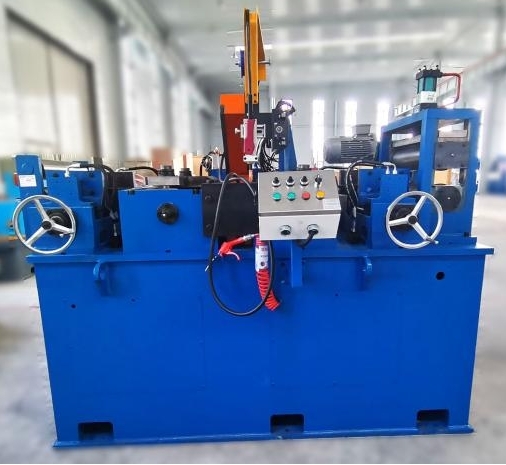
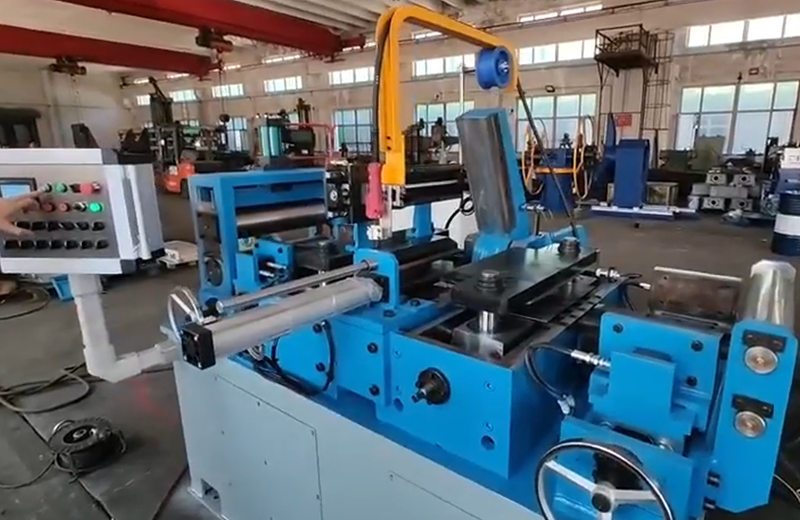
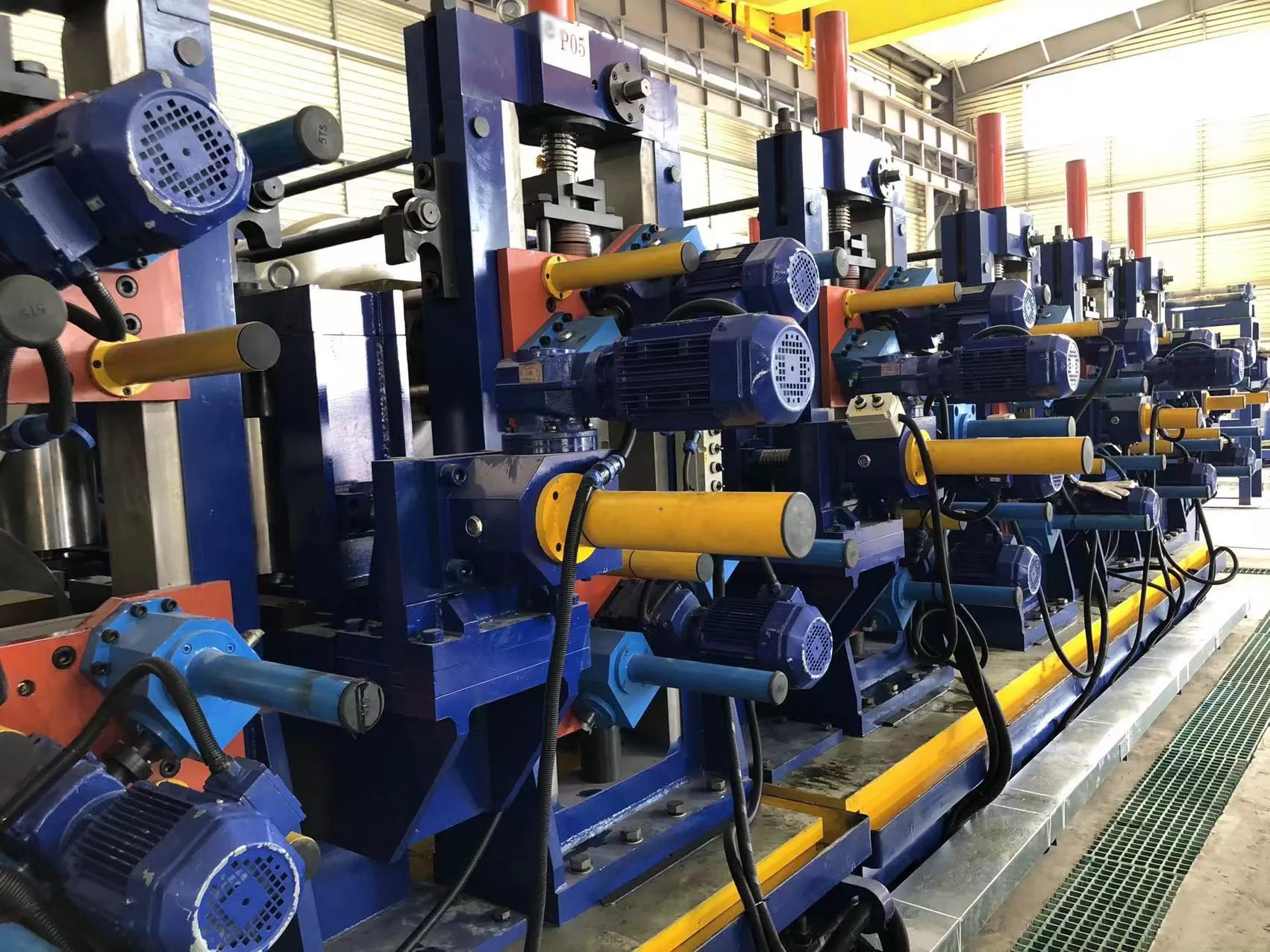
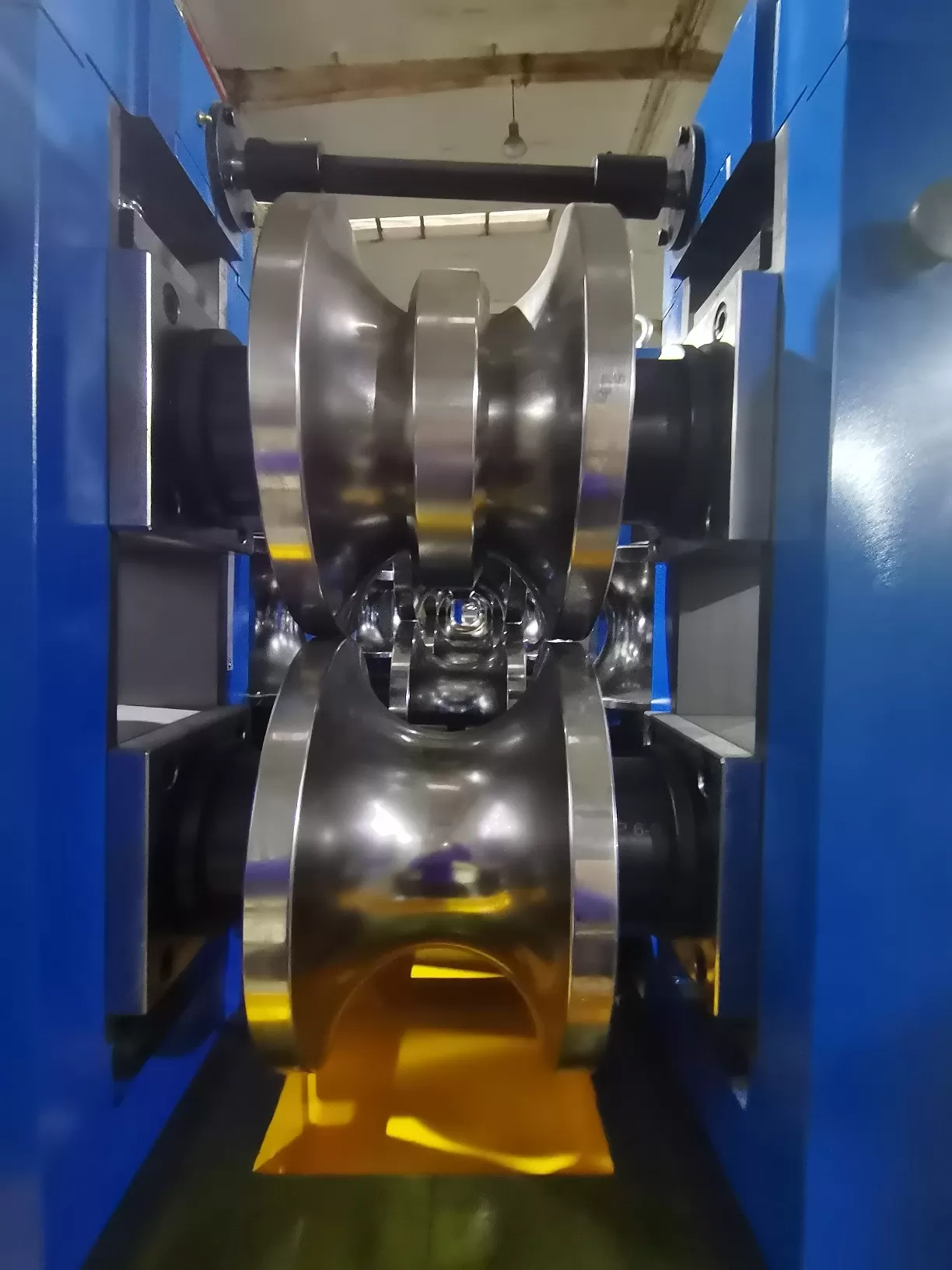
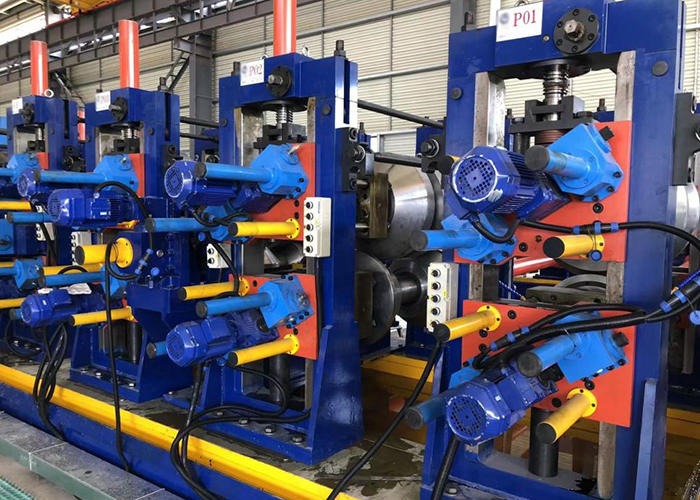
In the demanding world of international pipe and tube manufacturing, where precision, speed, and cost-efficiency are non-negotiable, the choice of cutting tool is critical. For fabricators and mill operators, selecting the right HSS cold saw blades can be the difference between a flawless production run and costly downtime. These specialized blades are engineered to deliver clean, burr-minimized cuts on a wide range of materials, from structural steel to stainless welding tubes. Unlike abrasive cutting, HSS cold saw blades operate at lower speeds, generating less heat and preserving the materials integrity—a vital factor in welding and fabrication. Brands like SANSO have built a reputation in this sector by focusing on the rigorous demands of tube mill applications.
Understanding the Core Advantages of HSS Cold Saw Blades
Why do so many professionals rely on HSS cold saw blades? The answer lies in their balanced performance. High-Speed Steel (HSS) is a material that offers an excellent combination of hardness, toughness, and heat resistance. This allows the blades to maintain a sharp cutting edge through prolonged use on tough materials.
For welding tube production, a clean, square cut with minimal deformation is essential for ensuring perfect weld joints in subsequent processes. HSS cold saw blades provide this level of finish directly off the saw, often reducing or eliminating the need for secondary deburring operations. This directly translates to higher throughput and lower per-part cost.
Material Compatibility and Tooth Geometry
Not all HSS cold saw blades are created equal. One of the first considerations is the material you are cutting.
- Carbon & Alloy Steels: Standard HSS blades perform excellently here.
- Stainless Steel & Nickel Alloys: Special HSS grades with added cobalt are required. These blades resist the work-hardening tendencies of stainless, preventing premature dulling.
- Non-Ferrous Metals: Specific tooth geometries and rake angles are used for aluminum, copper, and brass to prevent material loading (clogging) in the gullets.
Tooth geometry—the shape, hook angle, and set of the teeth—is equally crucial. A more aggressive tooth design removes material faster but may produce a slightly rougher finish. A finer, less aggressive geometry is preferred for thin-walled tubing to prevent tear-out. Manufacturers like SANSO offer detailed application charts to match their blade range to specific material types and profiles.
Blade Diameter, Thickness, and Bore: Matching Your Machine
Choosing the correct physical specifications is non-negotiable for safety and performance.
- Diameter: Determines the maximum cross-section you can cut. It must be compatible with your cold saw machines capacity.
- Thickness: A thicker blade is more stable and reduces vibration, leading to a straighter cut on heavy sections. Thinner blades remove less material (narrower kerf), saving feedstock but are more susceptible to deflection.
- Bore Size: Must match the arbor size of your saw machine exactly. An incorrect bore is a serious safety hazard.
Always consult your machine manual before purchasing a new HSS cold saw blade.
Tooth Count: The Balance Between Speed and Finish
Tooth count is a critical variable. A simple rule of thumb: fewer teeth for faster, rougher cuts on solid bar or thick-walled pipe; more teeth for smoother, slower cuts on thin-walled tubing and profiles.
For most welded tube milling applications cutting thin to medium-wall material, a blade with a higher tooth count is standard. It ensures the clean, burr-free edge required for downstream processing. Having too few teeth on thin material can cause snagging and ruin the workpiece.
Proper Operation and Coolant Use
The longevity of your HSS cold saw blades depends heavily on correct operation. Using the manufacturers recommended cutting speed and feed rate is essential. Pushing material too fast (high feed rate) generates excessive heat and shock loads, chipping teeth. Running too slowly can cause rubbing instead of cutting, which also dulls the blade prematurely.
Coolant is not optional; its mandatory. A good quality cutting fluid or emulsion cools the blade and workpiece, lubricates the cut, and flushes away chips. Proper coolant application dramatically extends blade life and ensures consistent cut quality, especially on stainless steel and other tough alloys.
Maintenance, Sharpening, and Cost-Per-Cut
Viewing blades as a consumable is a mistake. A well-maintained HSS cold saw blade can be professionally sharpened multiple times. The goal is to maximize its total service life, not just the first-run life.
Develop a relationship with a reputable sharpening service that understands the precise geometries required for cold sawing. Tracking your "cost-per-cut"—the initial blade cost plus sharpening costs divided by total cuts made—gives you the true measure of a blades value. Premium blades, such as those engineered by SANSO, often boast a superior cost-per-cut due to their durable HSS quality and optimized design, even if their initial price is higher.
Selecting a Supplier for Your Tube Mill
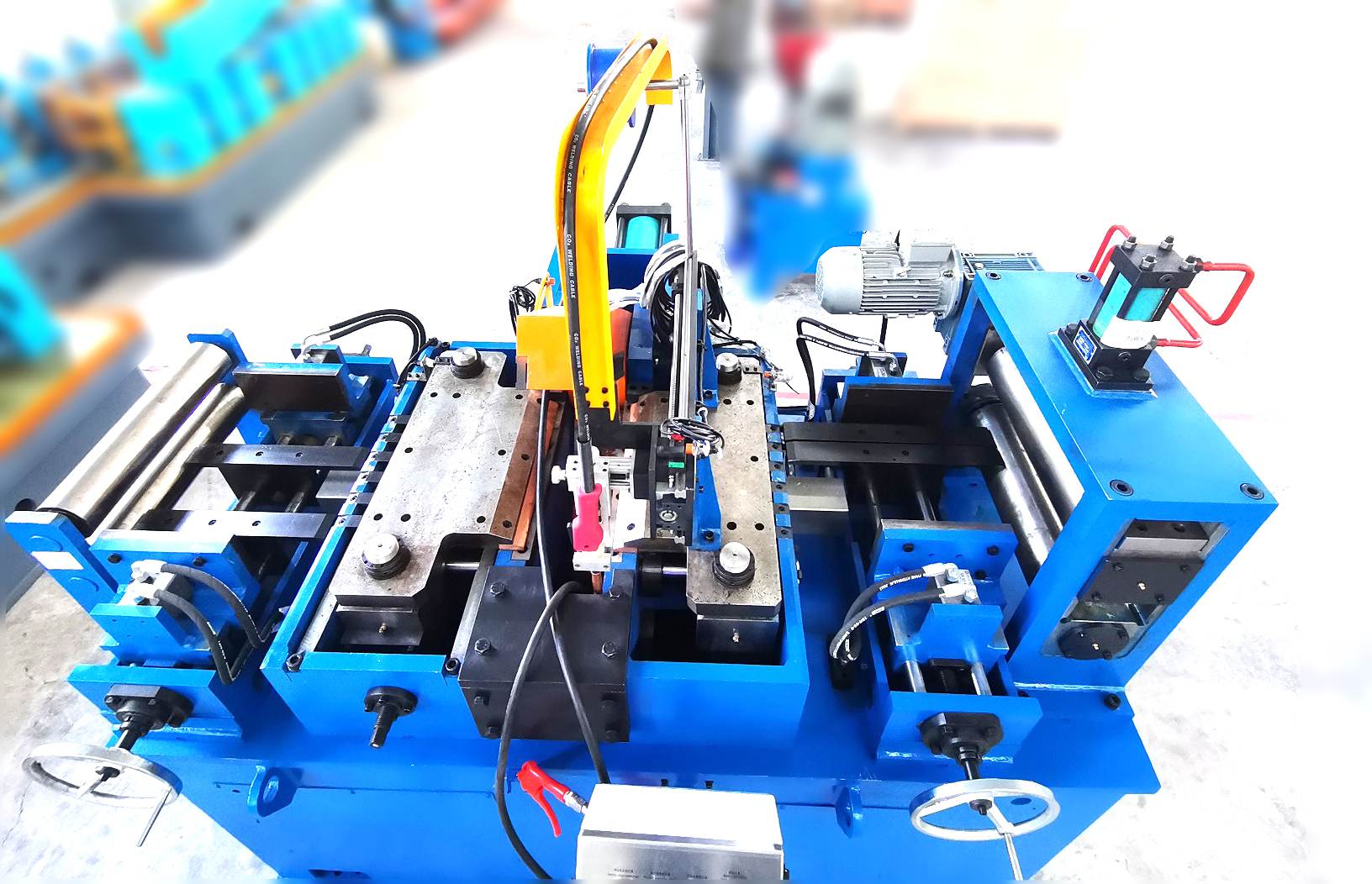
In the global market for pipe and tube fabrication, your tooling supplier is a partner. Look for a supplier with proven expertise in the welding and tube mill sector. They should offer more than just a catalog; they should provide technical support, application advice, and a reliable supply chain.
A brand that specializes in this field, like SANSO, focuses its R&D on solving the exact challenges you face daily: consistent finish, long blade life, and reliability in high-volume environments. Choosing a specialist brand means you are getting a product built for your specific industrial reality.
Ultimately, the optimal performance of HSS cold saw blades in your operation is a sum of its parts: correct selection, precise machine setup, diligent maintenance, and partnership with a knowledgeable supplier. By focusing on these key factors, you can achieve the clean, efficient, and economical cuts that keep your production line competitive.
Frequently Asked Questions (FAQs)
Q1: How often should I sharpen my HSS cold saw blades?
A1: Theres no fixed hour count. Sharpen your HSS cold saw blades at the first sign of reduced performance: increased cutting pressure, burr formation, wavy cut surfaces, or excessive sparking. Catching dullness early prevents damage to the blades body and allows for more successful re-sharpenings.
Q2: Can I use the same HSS blade for cutting stainless steel and mild steel tubing?
A2: It is not recommended. Stainless steel requires a blade made from a harder, often cobalt-enriched HSS grade to withstand work-hardening and higher heat. Using a mild steel blade on stainless will lead to rapid dulling. Always use a blade specifically designed for the material group you are cutting.
Q3: Why is coolant so important for HSS cold saw blades?
A3: Coolant serves three vital functions: it dissipates heat from the cutting zone to prevent the HSS teeth from softening, it lubricates to reduce friction and power consumption, and it evacuates chips to prevent re-welding on the blade or workpiece. Without coolant, blade life is drastically shortened and cut quality suffers.
Q4: What causes teeth to chip or break on a new HSS cold saw blade?
A4: Sudden tooth failure is usually caused by mechanical shock. Common reasons include an incorrect feed rate (too aggressive), a loose workpiece that vibrates or moves, a misaligned saw guide, or cutting material that is not properly clamped. Always ensure stable workholding and follow recommended feed and speed settings.
Q5: How do I choose between a standard HSS and a premium brand like SANSO?
A5: The choice boils down to total cost and production requirements. A standard blade may have a lower upfront cost. A premium HSS cold saw blade from a brand like SANSO typically uses higher-grade steel, more precise manufacturing, and application-optimized geometries. This results in longer life, more consistent cuts, and more reliable performance in demanding, high-uptime environments like tube mills, offering a lower cost-per-cut in the long run.