Slitting Line Precision: Engineering Throughput, Tolerance, and Material IntegrityIn industrial converting, the slitting line serves as the final arbiter of dimensional quality and material efficiency. For production engineers and operations managers overseeing roll-to-roll processing of composites, textiles, films, or flexible substrates, the difference between a profitable operation and one plagued by waste often lies in the technical sophistication of the slitting line configuration. This article provides a data-driven examination of modern slitting line architecture—covering web tension mechanics, razor, shear, and crush cut methodologies, and the integration of closed-loop control systems—to deliver repeatable precision across diverse materials. Drawing on field data and metallurgical principles, we outline how targeted engineering transforms a conventional slitting line into a high-yield asset.
1. Defining the Modern Slitting Line: Beyond Simple Width Reduction
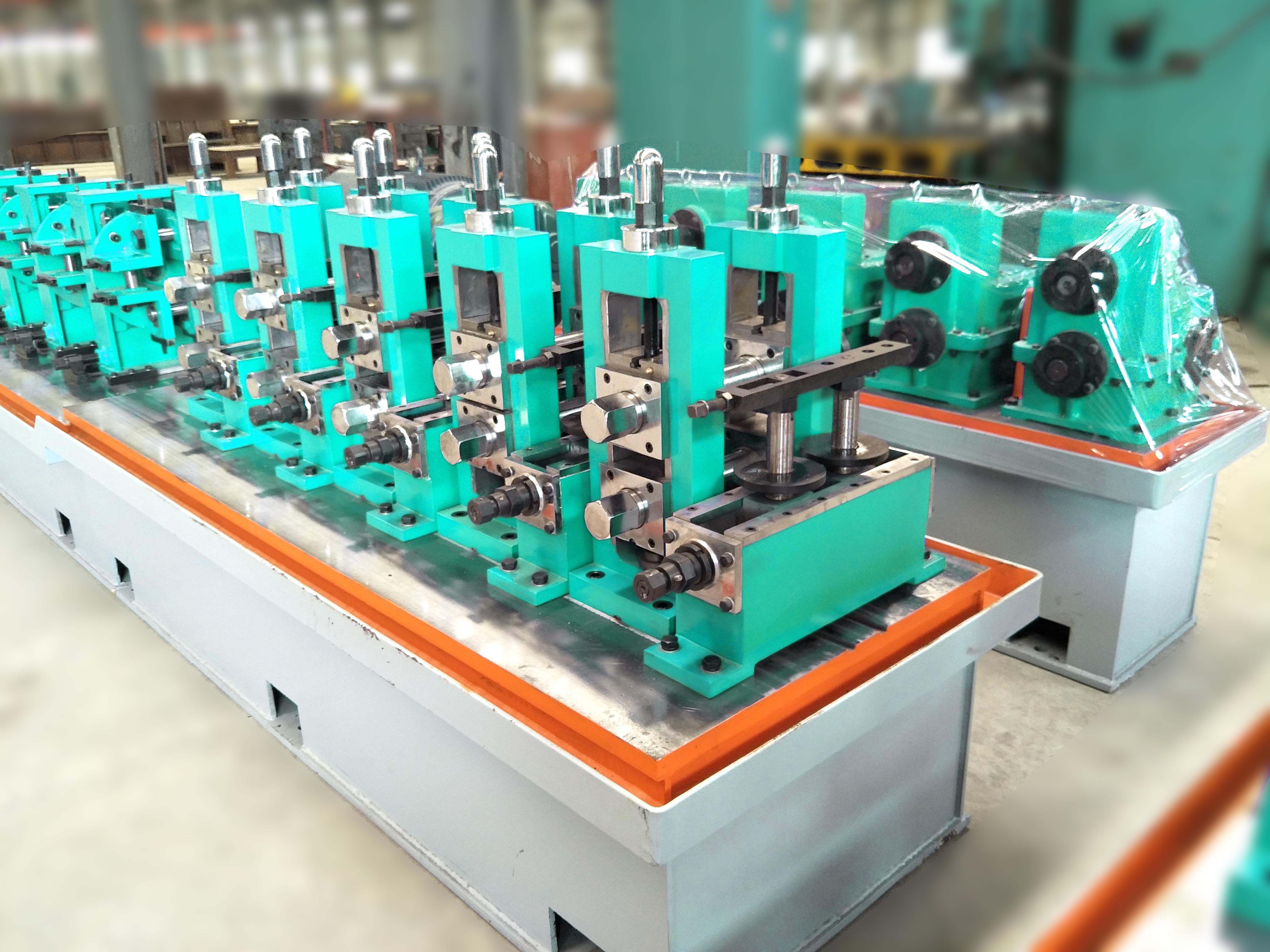
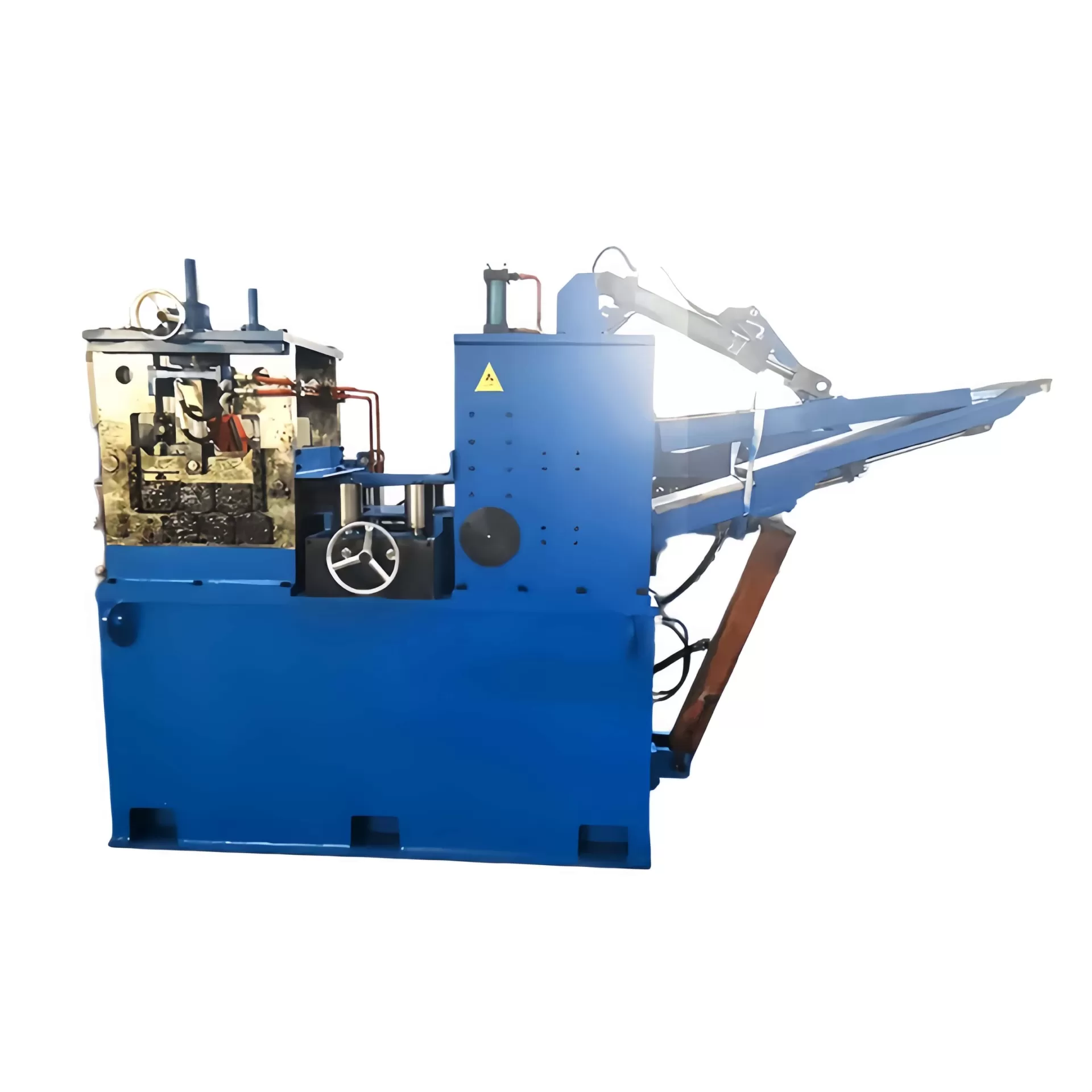
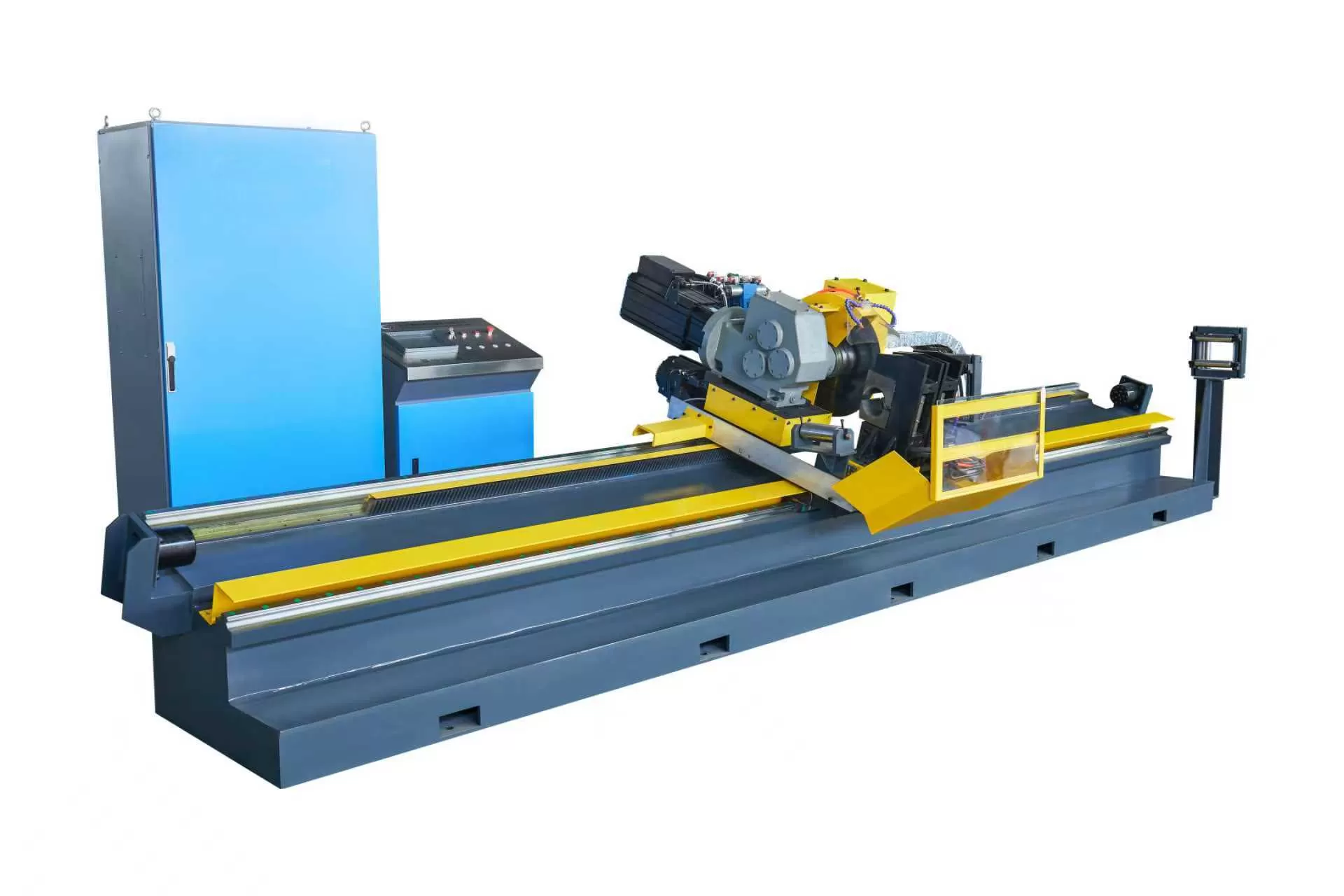
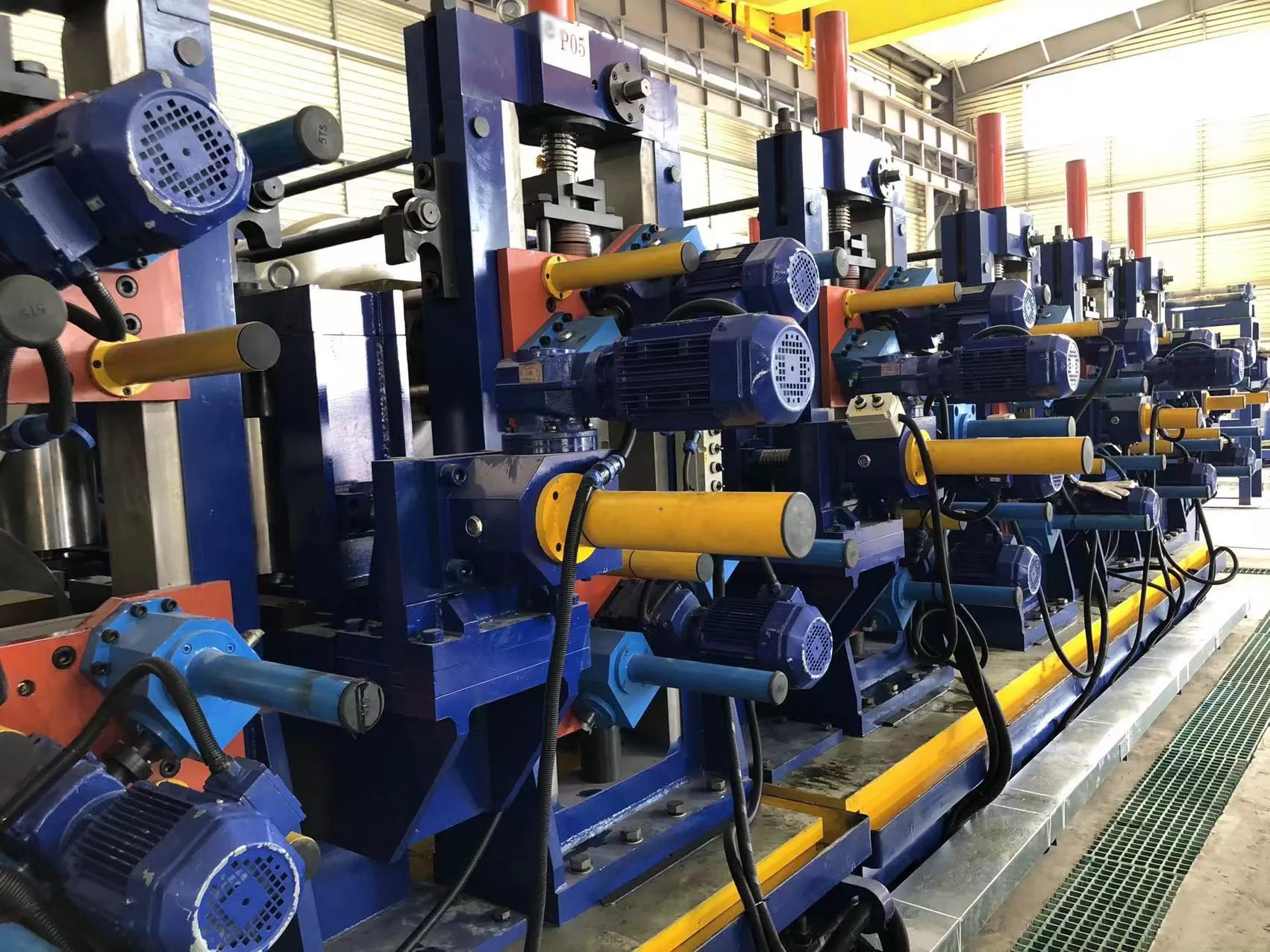
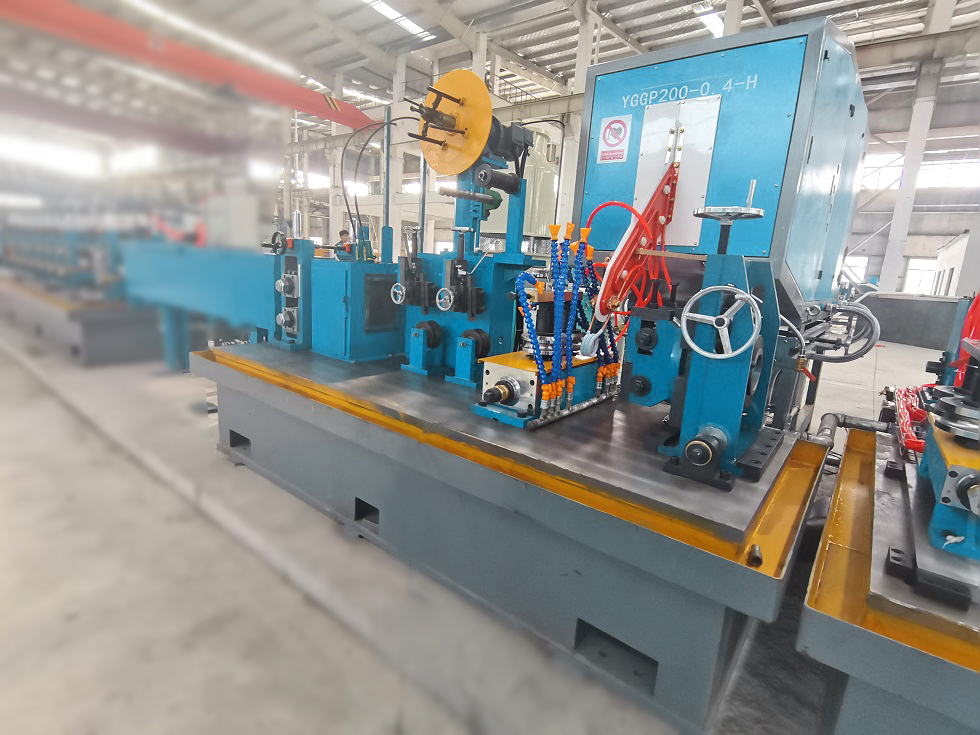
A slitting line is an integrated system of unwind stands, knife modules, rewind shafts, and tension control units designed to longitudinally slit wide master rolls into narrower finished rolls. However, contemporary demands—thinner substrates, tighter width tolerances (±0.2 mm), and higher line speeds (exceeding 300 m/min)—require that each component operates with synchronized precision. The modern slitting line functions as a closed-loop mechatronic system, where web tension, knife penetration, and rewind density are dynamically adjusted based on real-time feedback from load cells, ultrasonic sensors, and vision systems.
2. Core Components and Their Technical Impact
To achieve consistent output, every element of the slitting line must be engineered for its specific role. Below is a breakdown of critical subsystems and their performance parameters.
Unwind Section: Features shaftless or shaft-type chucks with automatic edge guiding (accuracy ±0.5 mm). Brake systems (pneumatic or electromagnetic) maintain constant back tension, preventing telescoping. Advanced units incorporate dancer rolls to absorb tension spikes.
Slitting Station: The heart of the line. Three predominant methods exist:
Razor (Score) Slitting: Ideal for thin films (12–100 µm); uses hardened steel blades with depth control within 0.01 mm.
Shear Slitting: Employs male and female circular knives; preferred for nonwovens, laminates, and paperboard due to clean, dust-free edges.
Crush Slitting: Utilizes an anvil roll and hardened blade; suited for foam and tape products where edge deformation is acceptable.
Rewind Section: Dual or single turret rewinders with gap or contact winding modes. Load cell-controlled nip pressure ensures consistent roll density across the slitting line, preventing core crush or telescoping.
3. Tension Control: The Invisible Determinant of Slitting Quality
Improper tension management accounts for over 60% of slitting line defects, including necking, wrinkling, and edge burrs. Tension must be managed in three distinct zones: unwind, slitting, and rewind.
Unwind Tension: Typically set at 0.25–0.5 lb per inch of width for elastic materials; higher for inelastic substrates. Closed-loop systems with load cells maintain tension within ±2% of setpoint.
Slitting Zone Tension: Minimal tension is preferred to avoid knife deflection. Segmented idler rolls with individual tension feedback allow micro-adjustments per slit strand.
Rewind Tension Taper: Reducing tension progressively as roll diameter builds prevents starring and telescoping. Programmable taper profiles (e.g., 40% taper from core to full diameter) are standard in advanced slitting line controls.
Data from converting facilities indicate that implementing multi-zone tension control reduces scrap by 18–25% and increases slitting line throughput by up to 30% due to fewer stoppages.
4. Addressing Industry Pain Points with Engineered Solutions
Converting operations frequently encounter five persistent challenges. Each can be mitigated through targeted slitting line enhancements.
Frequent Blade Changes: Abrasive materials (ceramic-coated films, glass-fiber composites) dull standard knives rapidly. Solution: apply carbide-tipped or diamond-coated circular knives, extending blade life by 400–600%.
Poor Edge Quality: Ragged edges cause downstream lamination defects. High-precision shear slitting with knife overlap set to 0.1–0.3 mm produces clean, melt-free edges. In-line edge inspection using laser profilometers provides real-time rejection.
Web Wandering: Misalignment across the slitting line leads to variable slit widths. Automated ultrasonic edge guides with 0.2-second response time maintain lateral positioning within ±0.5 mm.
Roll Hardness Variation: Inconsistent rewind density creates shipping damage. Solution: employ gap winding with programmable nip pressure and integrated roll hardness sensors to ensure durometer readings within ±3 Shore A across the batch.
Line Speed Constraints: Older lines are limited by mechanical inertia. Upgrading to AC vector drives with regenerative braking increases acceleration/deceleration rates by 50% while maintaining tension stability.
5. Slitting Line Automation and Industry 4.0 Integration
Modern slitting line operations are moving toward fully integrated MES (Manufacturing Execution System) connectivity. Key features include:
Recipe Management: Digital storage of knife positions, tension profiles, and winding parameters for thousands of SKUs. Changeover times reduced from 45 minutes to under 12 minutes.
Predictive Maintenance: Vibration sensors on knife shafts and bearings detect early wear patterns, scheduling maintenance before catastrophic failure.
Real-Time OEE Dashboards: Track availability, performance, and quality metrics per shift. Facilities using such systems report 12–18% increases in overall equipment effectiveness.
For specialized applications such as thermal transfer materials and heat press substrates, precision slitting line configurations are particularly critical. Heat Press Leader integrates slitting line technology tailored to the tight tolerances required for heat-applied films, ensuring that edge uniformity and width consistency meet or exceed ASTM standards.
6. Performance Metrics: Quantifying Slitting Line Excellence
To benchmark and improve slitting line operations, professionals should track the following KPIs:
Width Tolerance Capability (CpK): For a well-engineered line, CpK ≥ 1.33 at ±0.5 mm tolerance; high-precision lines achieve CpK > 1.67 at ±0.2 mm.
Changeover Efficiency: Top quartile operations achieve changeovers under 15 minutes for common SKUs.
Dust Generation: Measured in milligrams per square meter. Advanced shear slitting reduces dust by up to 90% compared to razor slitting on coated substrates.
First-Pass Yield (FPY): Industry average FPY for slitting lines is 92–94%; optimized lines with closed-loop controls exceed 98%.
7. Material-Specific Slitting Line Strategies
No single slitting line configuration fits all substrates. Tailored approaches yield significant quality improvements.
Polyimide Films (Kapton®): Require shear slitting with titanium-coated knives to prevent edge cracking. Tension must remain below 0.3 lb/in to avoid elongation.
Carbon Fiber Prepreg: Tacky, abrasive material demands chilled knife shafts and silicone-free release liners. Slitting line speeds are limited to 20–30 m/min to prevent resin bleed.
Textile Nonwovens: Ultrasonic slitting or thermal cutoff methods prevent fraying. Air flotation bars replace contact rollers to maintain surface integrity.
Silicone-Coated Release Liners: Crush slitting with hardened steel anvils prevents adhesive transfer to knives, preserving clean edges for downstream labeling processes.
8. Integration with Downstream Processes: The Role of Slitting in Thermal Transfer Workflows
For converters supplying materials to heat press applications—such as vinyl, sublimation paper, or heat transfer films—the slitting line must preserve coating integrity. A substandard slitting operation can generate micro-cracks in heat-activated adhesives, leading to field failures. By collaborating with equipment specialists like Heat Press Leader, manufacturers ensure that their slitting line is calibrated to maintain adhesive layer continuity and dimensional stability, directly impacting end-user transfer quality.
Conclusion: Strategic Investment in Slitting Line Engineering
The slitting line is far more than a cutting machine; it is a precision manufacturing platform where material science, mechanical dynamics, and control theory converge. Operators that invest in advanced tension control, automation, and application-specific tooling see direct returns through reduced waste, higher throughput, and superior product consistency. Whether processing delicate optical films or heavy-duty industrial composites, a well-engineered slitting line becomes a competitive advantage. As the converting industry continues to demand tighter tolerances and greater flexibility, the strategic upgrade and maintenance of slitting line assets will remain a cornerstone of operational excellence.
Frequently Asked Questions (FAQ)
Q1: What are the primary factors that determine slitting line speed for a given material?
A1: Slitting line speed is primarily constrained by three factors: material tensile strength (to avoid elongation or tearing), knife wear rate (faster speeds accelerate blade dulling), and web stability (flutter at high speeds compromises edge accuracy). For typical paper grades, speeds range 300–600 m/min; for delicate films, 30–150 m/min is typical. Modern lines incorporate dynamic speed adjustment based on real-time tension feedback.
Q2: How do I select the correct slitting method (razor, shear, or crush) for my application?
A2: Selection depends on material hardness, thickness, and edge quality requirements.
- Razor slitting: best for thin, non-abrasive films (under 100 µm) where cost is a priority.
- Shear slitting: recommended for multi-layer laminates, nonwovens, and any material requiring clean, dust-free edges.
- Crush slitting: suitable for foams, tapes, and materials where edge compression does not affect performance.
For high-value substrates, shear slitting offers the most consistent edge quality.
Q3: What is the impact of tension taper on roll quality in a slitting line?
A3: Tension taper reduces winding tension progressively as roll diameter increases. Without taper, outer wraps compress inner wraps, causing starring, telescoping, or core deformation. A typical taper profile starts at 100% tension at core and reduces to 60–70% at full diameter. Proper taper yields rolls with uniform hardness, enabling trouble-free downstream processing.
Q4: How often should slitting knives be replaced or re-sharpened?
A4: Knife life varies by material abrasiveness and run length. As a guideline, razor blades are changed every 1–4 shifts. Shear knives typically operate for 300–500 hours before re-sharpening. Predictive indicators include increased motor load, rough edges, or audible noise. Implementing scheduled blade management reduces unplanned downtime and maintains first-pass yield above 97%.
Q5: Can a slitting line be retrofitted with automation without replacing the entire system?
A5: Yes. Many existing slitting lines can be retrofitted with modular automation components: AC vector drives, touchscreen PLCs with recipe storage, closed-loop tension controls, and automated knife positioning systems. These retrofits typically reduce changeover time by 50–70% and improve repeatability. Return on investment is often realized within 8–14 months through reduced scrap and increased throughput.
Q6: How does web width stability affect slitting accuracy?
A6: Lateral web movement (wandering) directly negates slit width accuracy. High-performance slitting lines employ ultrasonic or infrared edge guides with sub-second response times to maintain web position within ±0.5 mm. For materials prone to edge curling, spreader rollers or curved bar expanders are integrated before the slitting station to ensure flat entry.