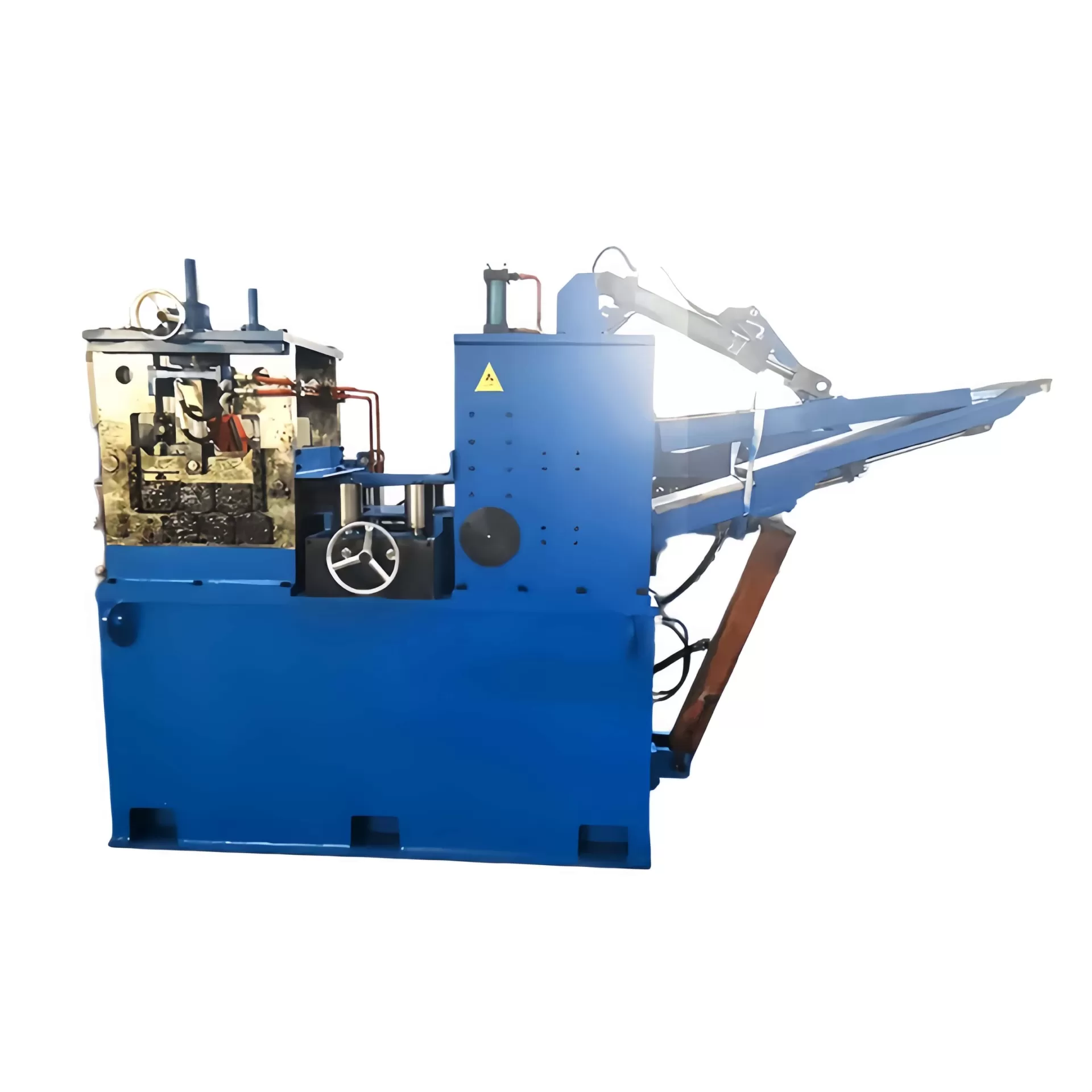
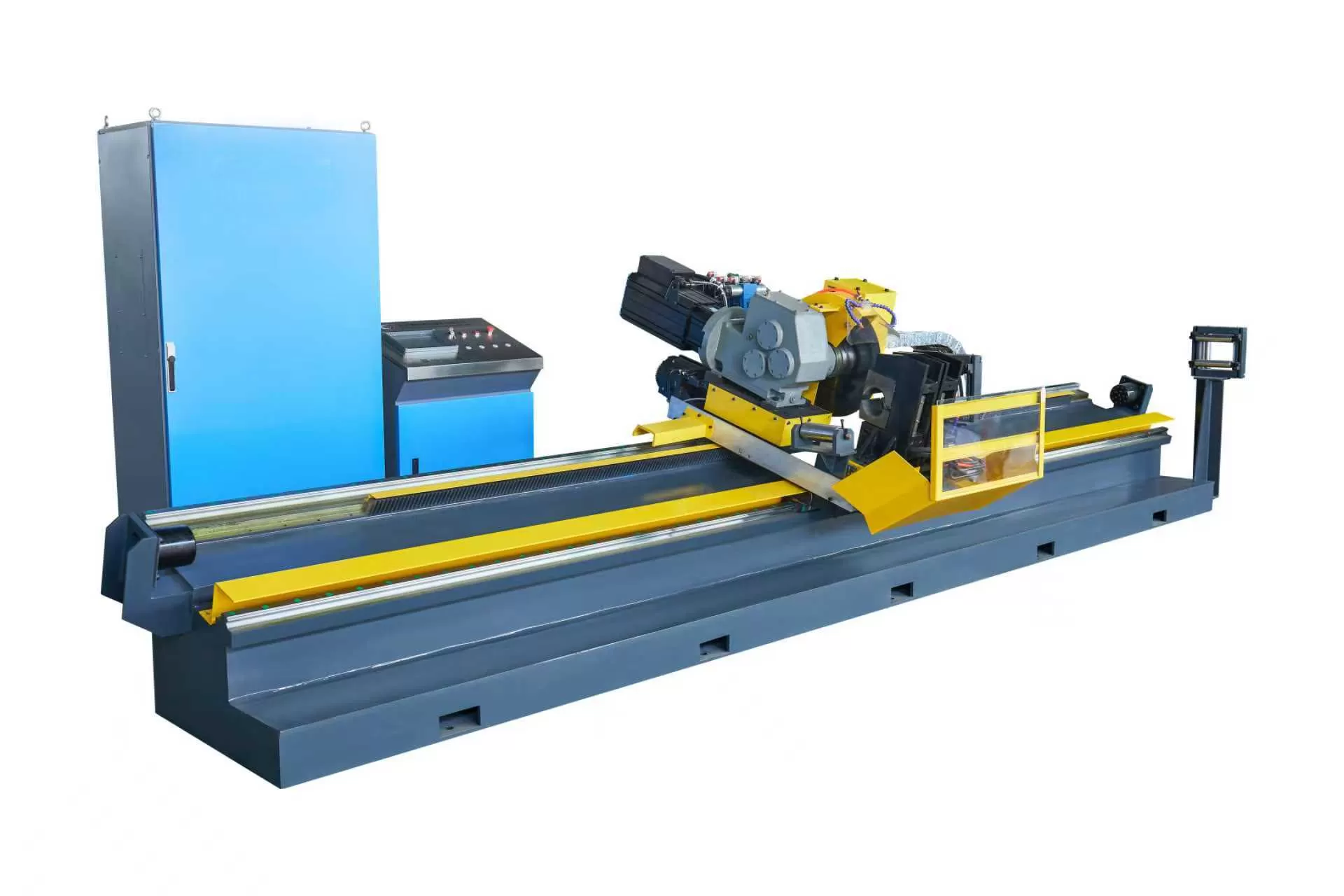
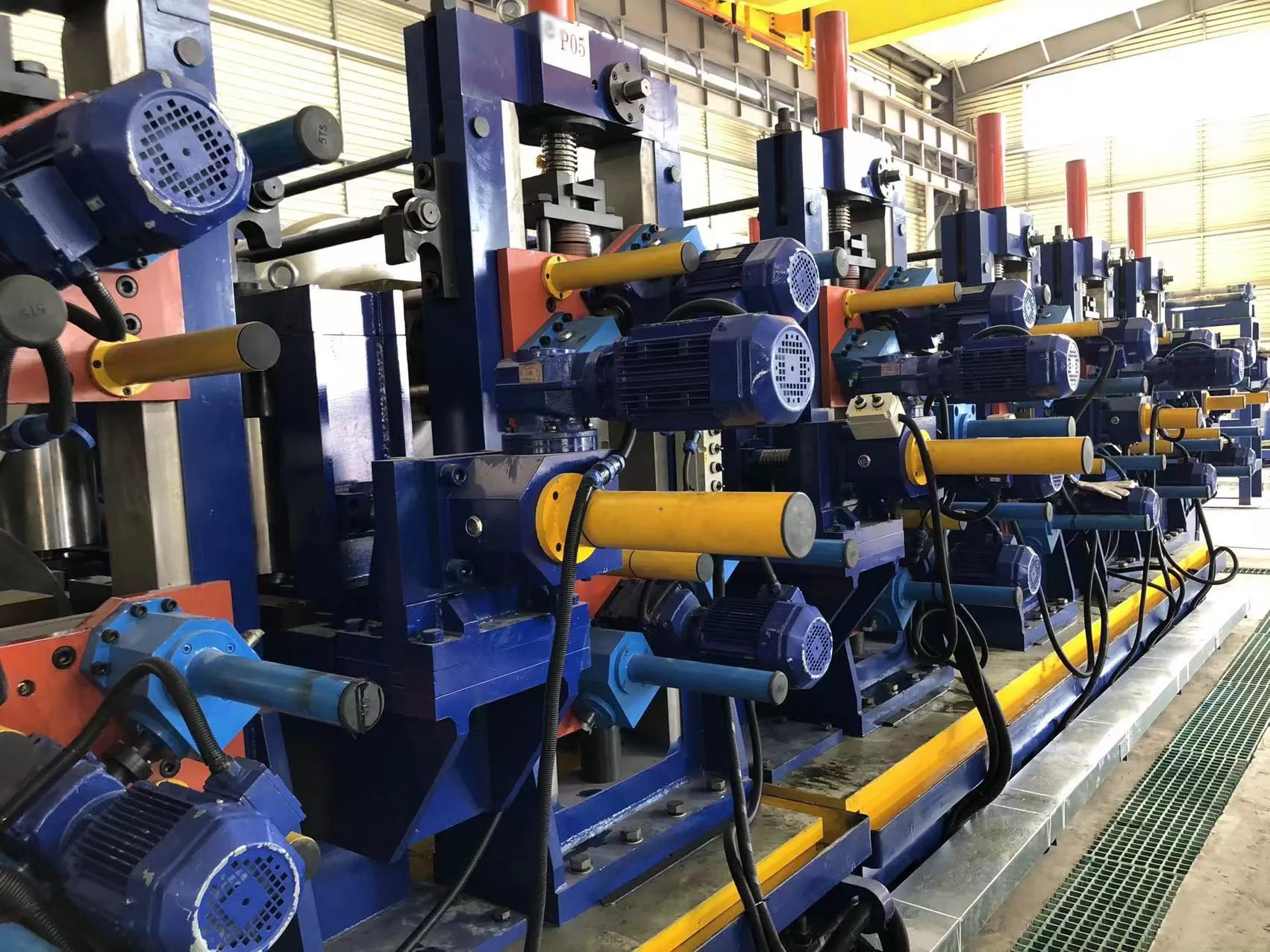
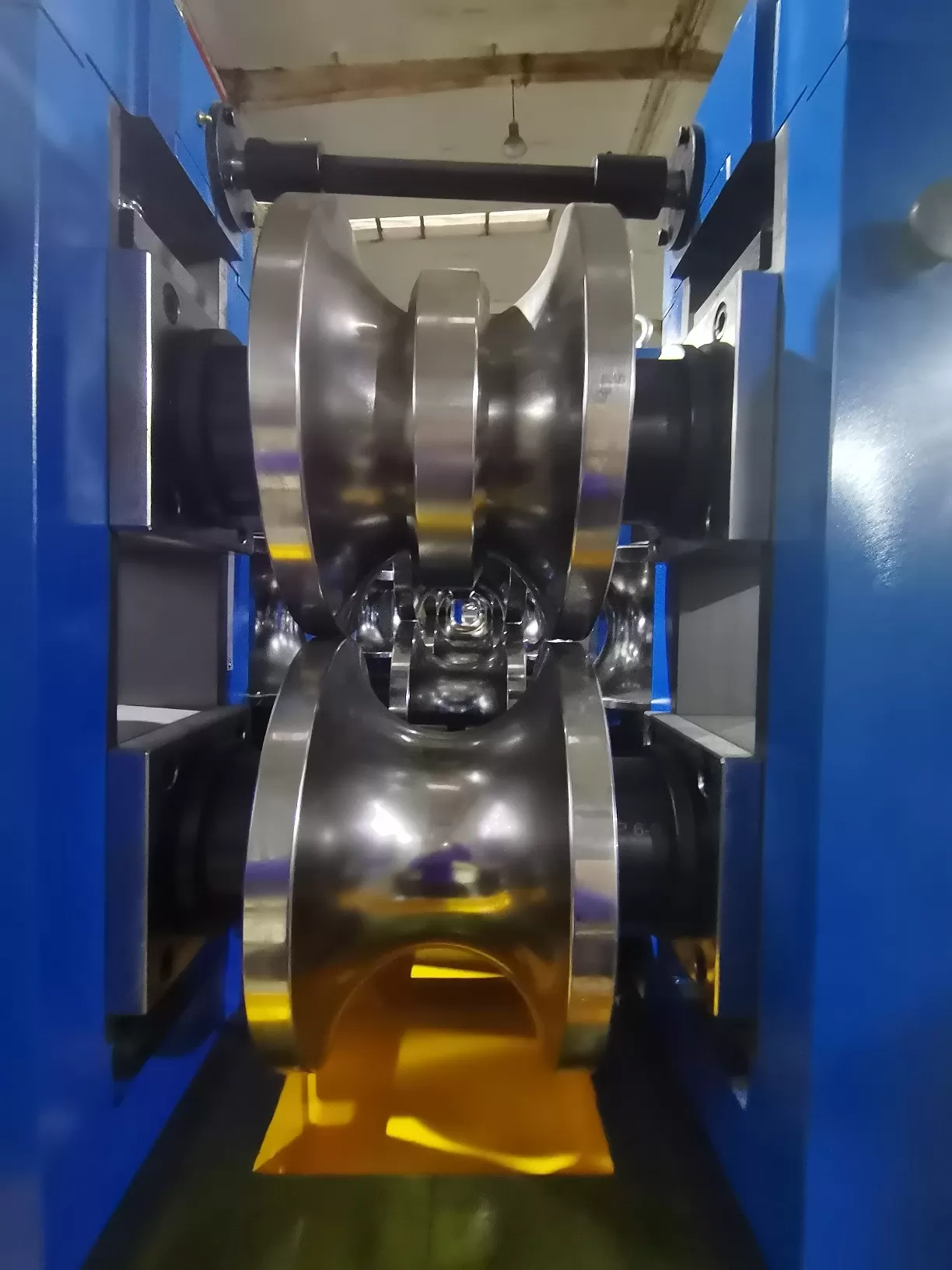
The ferrite rod serves as a critical component in the high-frequency welding zone of electric resistance welding (ERW) tube mills. Positioned within the formed tube, this ferrite core concentrates the magnetic field, directing high-frequency current to the precise location where the strip edges meet for forging. Its performance directly influences weld heat input, seam consistency, and overall production efficiency. While seemingly a passive element, the rods material composition, geometry, and magnetic characteristics determine the stability of the welding process across varying line speeds and product diameters.
In continuous tube manufacturing, the welding zone presents extreme conditions—elevated temperatures, intense electromagnetic fields, and mechanical stress from the forming and squeezing forces. The ferrite rod must maintain its magnetic permeability, mechanical integrity, and dimensional stability throughout extended production runs. Variations in rod quality or improper selection for the specific frequency and power level result in inconsistent weld penetration, increased flash formation, and higher rejection rates. A systematic understanding of ferrite rod specifications enables mill operators to achieve repeatable weld quality, reduce downtime for rod changes, and optimize the balance between welding speed and joint integrity.
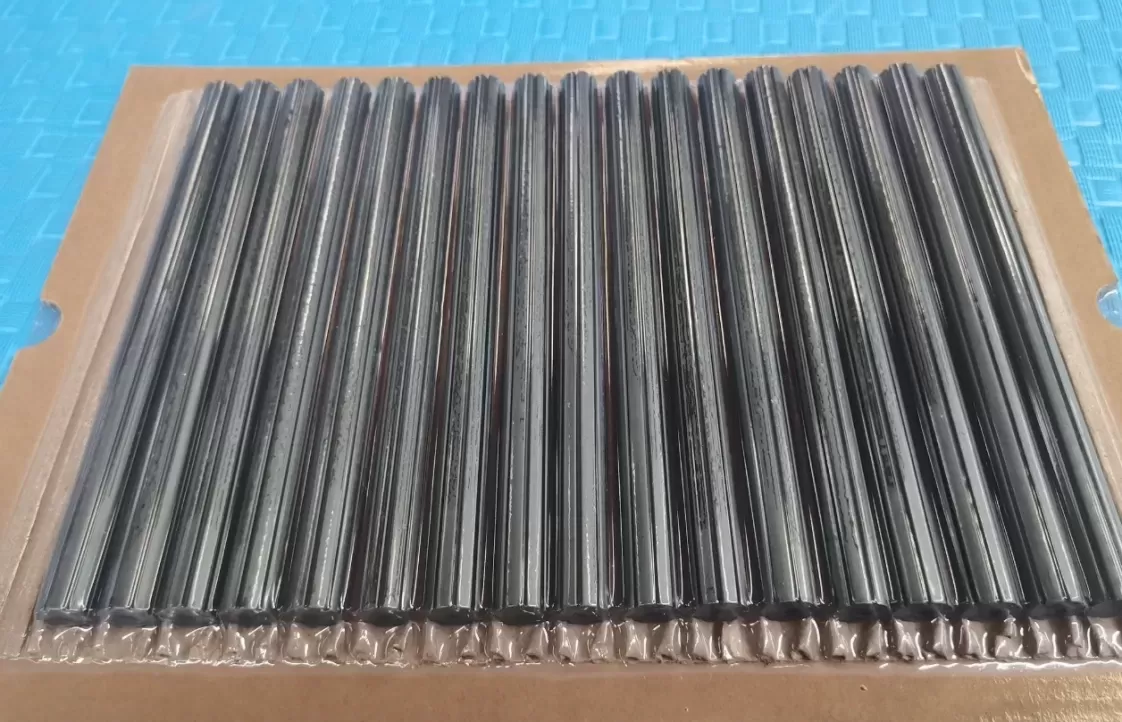
Magnetic Material Fundamentals for Ferrite Rod Applications
Ferrite materials are ceramic-like compounds composed of iron oxide combined with metallic elements such as manganese, zinc, or nickel. They exhibit high electrical resistivity and low eddy current losses at high frequencies, making them suitable for impedance applications in the MHz range. The ferrite rod functions by concentrating the magnetic flux from the induction coil, effectively creating a controlled path for the welding current to follow along the strip edges. The key material parameters that determine performance in this application include initial permeability, saturation flux density, Curie temperature, and mechanical strength.
Permeability and Frequency Response
The initial permeability of a ferrite rod determines its ability to concentrate the magnetic field. Higher permeability materials provide greater flux concentration, which translates to higher current density at the welding point. The permeability, however, decreases with increasing frequency—a phenomenon described by the Snoek limit for spinel ferrites. For tube welding frequencies in the range of 200–500 kHz, manganese-zinc (MnZn) ferrites offer high permeability and moderate loss, while nickel-zinc (NiZn) ferrites exhibit lower permeability but superior high-frequency performance and temperature stability. The selection between these families depends on the specific frequency used by the welder and the thermal load expected in the impedance area.
MnZn ferrites: Permeability values of 2000–5000, suitable for frequencies up to approximately 400 kHz; provide strong field concentration but are more sensitive to temperature rise.
NiZn ferrites: Permeability in the range of 100–800, with stable performance up to 1 MHz; better suited for higher frequency welders and operations with continuous high power output.
Frequency matching: The rods impedance curve must align with the welders operating frequency to maximize power transfer and avoid excessive reflected power.
Saturation and Thermal Limits
All ferrite materials exhibit a saturation flux density, above which further increases in magnetic field strength produce no additional flux concentration. Operating a ferrite rod near or beyond saturation reduces its effective permeability, leading to inefficient coupling and unstable welding conditions. Saturation is typically observed at higher power levels or when the rod cross-section is undersized for the required current. The Curie temperature marks the point where the material loses its magnetic ordering and reverts to paramagnetic behavior—effectively rendering the rod non-functional. For MnZn ferrites, the Curie temperature ranges from 150°C to 200°C, while NiZn grades can exceed 300°C. The rods cooling conditions and the duration of welding passes are therefore critical factors in preventing thermal demagnetization.
Saturation flux density: Typically 0.3–0.5 T for MnZn, 0.2–0.4 T for NiZn; design margins should account for peak current variations.
Cooling methods: Water-cooled ferrite rods allow higher power densities; air-cooled designs require larger cross-sections or reduced power settings.
Thermal cycling: Repeated heating and cooling cycles induce mechanical stress and potential microcracking, reducing service life.
The interaction between permeability, saturation, and thermal stability defines the operational envelope for a given ferrite rod. Exceeding any of these limits produces observable effects: increased weld porosity, irregular flash, or complete loss of welding action. Monitoring these parameters through weld quality inspection and power measurement provides early indications of rod degradation or mismatch.
Mechanical and Dimensional Considerations for Ferrite Rods in Tube Mills
Beyond magnetic performance, the ferrite rod must withstand mechanical forces within the weld box. The rod is positioned inside the tube bore, held in place by a support structure that may include rollers or guides. The forming and squeezing forces applied to the tube transmit vibrations and pressure to the rod, particularly during the welding of heavier gauges or high-strength materials. Mechanical failure—whether through fracture, chipping, or surface erosion—removes the rod from service and requires unscheduled mill stoppage for replacement.
The rods geometry directly influences both the magnetic circuit and the mechanical stability. A longer rod provides more surface area for flux coupling and allows for gradual magnetic field build-up, but it also increases the risk of bending or breakage under the pressure of the closing rolls. The diameter of the rod must be matched to the tube size: too small a diameter results in insufficient flux concentration, while too large a diameter may physically interfere with the weld squeeze action or cause excessive wear on the rod surface.
Length-to-diameter ratio: A ratio of 8:1 to 12:1 provides a balance between magnetic efficiency and structural rigidity; larger ratios require careful support design.
Surface finish: Grinding or lapping the rod surface reduces friction and wear against the tube interior, extending service intervals.
End chamfers: Radiused or chamfered ends reduce stress concentration and minimize the risk of chipping during handling or installation.
Wear on the ferrite rod is inevitable over time, caused by the sliding contact with the tube interior and the abrasive action of scale or oxide particles. However, accelerated wear patterns often indicate alignment issues or excessive roll pressure, pointing to problems in the forming section rather than the rod itself. Regular inspection of the rod surface—looking for flat spots, grooves, or pitting—helps identify these upstream conditions before they cause extensive tooling damage or weld defects.
Process Variables Influencing Ferrite Rod Performance
The performance of a ferrite rod is not solely a function of its material and dimensions; it is also affected by the wider welding process parameters. Line speed, power level, tube geometry, and material chemistry all interact with the rods magnetic response, creating a complex system that requires careful balancing. Adjusting one parameter without considering its effect on the ferrite rod can lead to unexpected changes in weld quality.
Line speed has a direct impact on the heat input per unit length. As speed increases, the time available for heat generation decreases, requiring higher power levels to maintain adequate fusion. Higher power levels increase the magnetic field strength and, consequently, the heating of the ferrite rod. This can push the rod into saturation or elevate its temperature toward the Curie point. A rod that performs well at moderate speeds may exhibit degraded performance at higher speeds unless the material or cooling system is upgraded accordingly.
Tube thickness and material grade also affect the required power and, by extension, the ferrite rods load. Thicker walls require more heat to achieve proper fusion, demanding higher currents and stronger magnetic fields. High-strength steels often have lower electrical conductivity, requiring adjustments to the weld frequency or power to achieve the same level of heating. These variations must be accounted for in the ferrite rod selection, with some mills maintaining multiple rod types for different product families.
Power-frequency interaction: The optimum frequency for a given ferrite rod is determined by the rods permeability and the tubes magnetic properties; mismatches result in reduced efficiency and increased reflected power.
Strip edge conditioning: Burrs, irregular edges, or variations in strip thickness alter the current path, affecting the rods ability to concentrate flux uniformly.
Forming accuracy: Poorly formed tube shapes create uneven pressure on the rod, accelerating wear and potentially causing off-axis welding.
These interactions highlight the importance of viewing the ferrite rod as an integral part of the welding system, rather than a standalone component. Changes to any upstream or downstream process should be evaluated for their impact on rod performance, and rod condition should be monitored as part of routine quality checks.
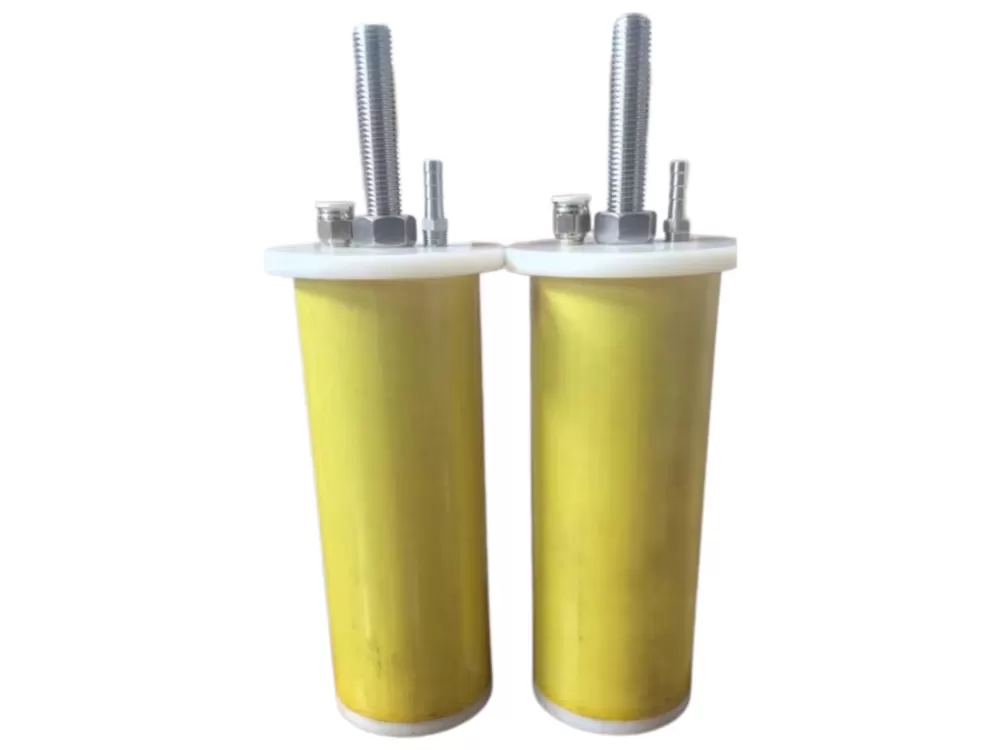
Ferrite Rod Inspection and Replacement Strategies
Establishing a systematic inspection schedule for ferrite rods reduces unplanned downtime and maintains weld consistency. Many mills operate on a fixed-time replacement basis, but this approach can lead to premature disposal of still-functional rods or, conversely, extended use of degraded rods that compromise weld quality. A performance-based replacement strategy, guided by observable indicators, offers a more effective approach.
Visual inspection provides the first line of assessment. Cracks, chips, or grooves on the rod surface are visible signs of mechanical damage. Surface discoloration or glazing may indicate overheating, while metallic deposits suggest contact with the tube interior. Dimensional measurements—checking diameter and straightness against original specifications—reveal wear patterns that might not be immediately obvious.
Electrical and magnetic testing provides a more quantitative assessment. Measuring the rods permeability using an inductance meter at the operating frequency gives a direct indication of its magnetic health. A drop of 10–15% from the initial value typically signals the need for replacement, although the threshold depends on the specific application and quality requirements. Temperature measurements during operation also provide valuable data; consistently elevated temperatures suggest reduced efficiency or inadequate cooling.
Inspection frequency: Visual checks at every shift change; permeability testing weekly or after any process upset.
Record keeping: Maintaining a log of rod performance, including installation date, total production footage, and observed defects, enables trend analysis and predictive replacement.
Spare rod management: Having pre-tested rods available for quick changeover minimizes downtime when a rod fails during production.
In mills equipped with weld quality monitoring systems, the correlation between rod condition and weld parameters can be tracked continuously. Changes in welding power, current, or seam temperature that persist despite adjustments often point to rod degradation. This data-driven approach allows for targeted rod replacement, avoiding both unnecessary maintenance and quality excursions.
For tube mill operations that consistently produce high-quality ERW pipe, the ferrite rod represents a relatively small investment compared to the cost of weld defects, mill downtime, or customer returns. Establishing robust selection, inspection, and replacement procedures ensures that this component contributes to operational reliability rather than becoming a source of variability.
SANSO provides technical support for ferrite rod selection and weld box optimization, assisting mills in matching rod specifications to their specific welder configurations and product mix. The companys expertise in tube mill equipment and welding technology enables operators to achieve consistent weld quality across a wide range of tube sizes and material grades.
Frequently Asked Questions About Ferrite Rods in Tube Welding
Q1: What determines the optimal ferrite rod material for a particular tube mill?
The optimal ferrite rod material is determined primarily by the welders operating frequency and the required power level. For frequencies up to approximately 400 kHz, MnZn ferrites provide high permeability and strong field concentration, suitable for most standard ERW applications. For frequencies above 500 kHz, NiZn ferrites offer better thermal stability and lower losses, making them preferable for high-speed mills or those welding thinner gauges. The materials Curie temperature must also be considered relative to the expected thermal load, with higher-temperature grades selected for intensive production schedules or limited cooling capacity.
Q2: How can a ferrite rod be tested for degradation without removing it from the weld box?
While complete magnetic characterization requires removal and bench testing, several in-situ indicators suggest degradation. Monitoring the welding power required to maintain a given weld temperature—if power increases steadily while other parameters remain constant—may indicate reduced rod efficiency. Similarly, changes in the welders reflected power or tuning position can signal a shift in rod impedance. Non-contact temperature measurements of the rods exposed end can reveal overheating, which often precedes permeability loss. However, periodic removal for electrical testing remains the most reliable method for assessing rod condition.
Q3: What causes a ferrite rod to fracture during tube welding operations?
Fracture of a ferrite rod typically results from mechanical overload or thermal shock. Mechanical overload occurs when excessive pressure from the tube forming or squeezing rolls bears directly on the rod, particularly if the rod support is misaligned or if the tube material has dimensional variations. Thermal shock arises from rapid temperature changes, such as when cooling water is applied too aggressively to a hot rod or when the rod is exposed to water after a weld stop. Pre-existing surface defects or internal porosity can act as stress concentrators, lowering the fracture threshold. Ensuring proper alignment, controlled cooling, and careful handling during installation significantly reduces fracture risk.
Q4: Is it necessary to replace a ferrite rod after every roll change or product size changeover?
Replacing the ferrite rod at every changeover is not typically required, provided the rod remains in good condition and the new products requirements fall within the rods operating range. However, significant changes in tube diameter or wall thickness may necessitate a different rod diameter or material to maintain optimal flux concentration. Many mills use the changeover period to inspect the rod, clean it, and verify its permeability, replacing it only if signs of wear or degradation are present. Maintaining a small inventory of rods for different product families allows for flexible changeover without excessive replacement costs.
Q5: What are the typical service life expectations for a ferrite rod in continuous tube production?
Service life varies widely depending on operating conditions, but typical ranges are between 500 and 2000 production hours. Higher power levels, higher line speeds, and abrasive tube materials tend to reduce rod life through accelerated thermal and mechanical wear. Mills operating at the upper end of these ranges may see rod life on the shorter end, while those with moderate conditions and effective cooling may achieve longer intervals. A more practical measure is the total footage of tube produced, with some mills achieving 100,000 to 500,000 linear meters per rod, depending on tube size and material. Regular inspection and performance monitoring provide the most accurate basis for predicting replacement timing.
Q6: Can a ferrite rod be refurbished or reused after it shows signs of wear?
Minor surface wear, such as light scoring or polishing, can often be removed by grinding or lapping the rod to a slightly smaller diameter, restoring its surface finish. However, this reduces the rods effective cross-section, which may lower its saturation flux capacity and alter its impedance characteristics. The reduction in diameter must be carefully evaluated against the magnetic requirements of the application. Cracks, deep grooves, or evidence of overheating typically make the rod unsuitable for further use, as these conditions indicate structural or magnetic degradation that cannot be reliably reversed. Refurbishment is most viable for rods with minimal wear and when the reduced dimensions remain within acceptable tolerance for the intended product range.
For further information on ferrite rod selection, inspection protocols, or integration with welding systems, SANSO provides engineering consultation and product support. Detailed technical bulletins and application notes are available to assist with rod specification and process optimization. Inquiries regarding rod materials, sizes, and compatibility with specific welder models are handled through the companys technical sales team.