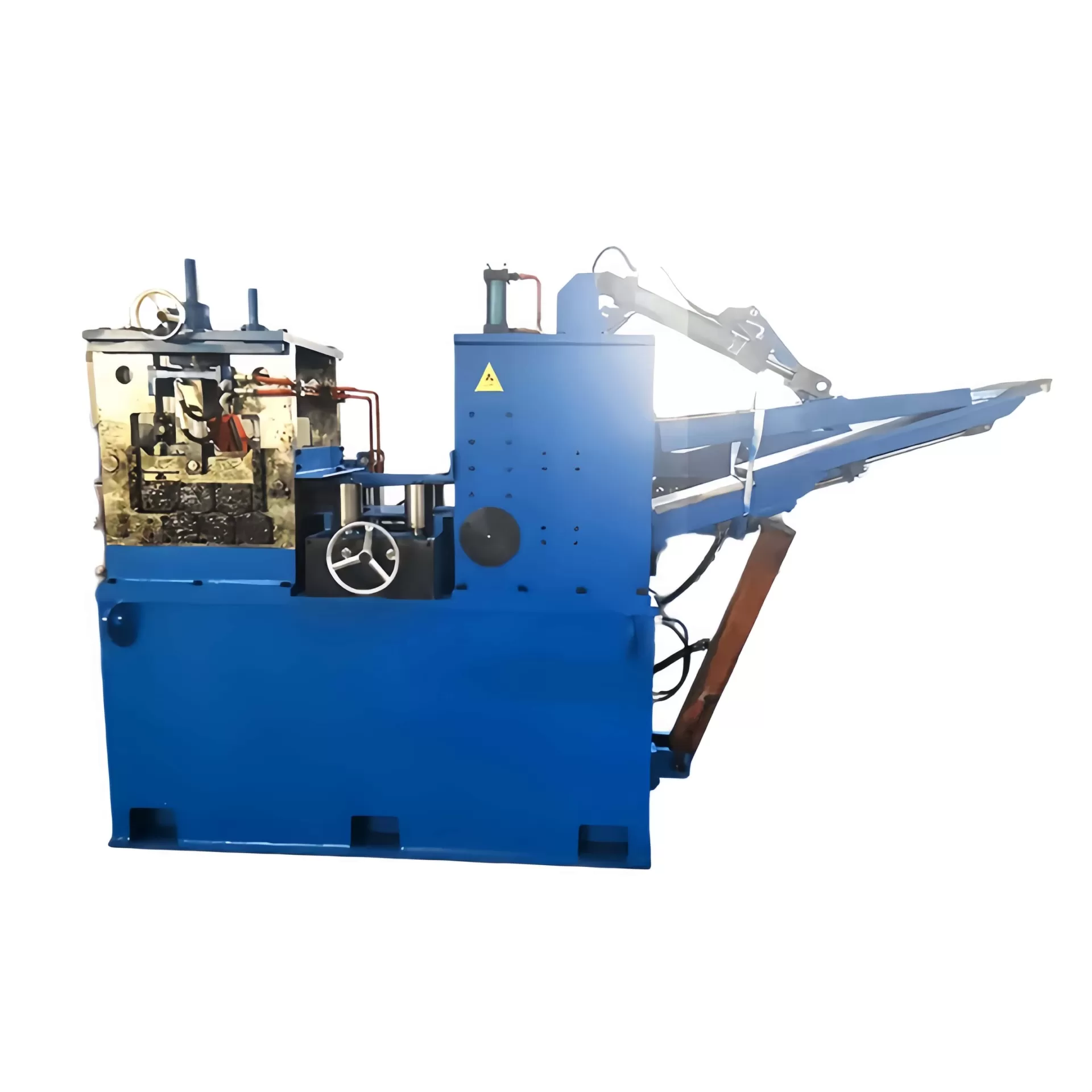
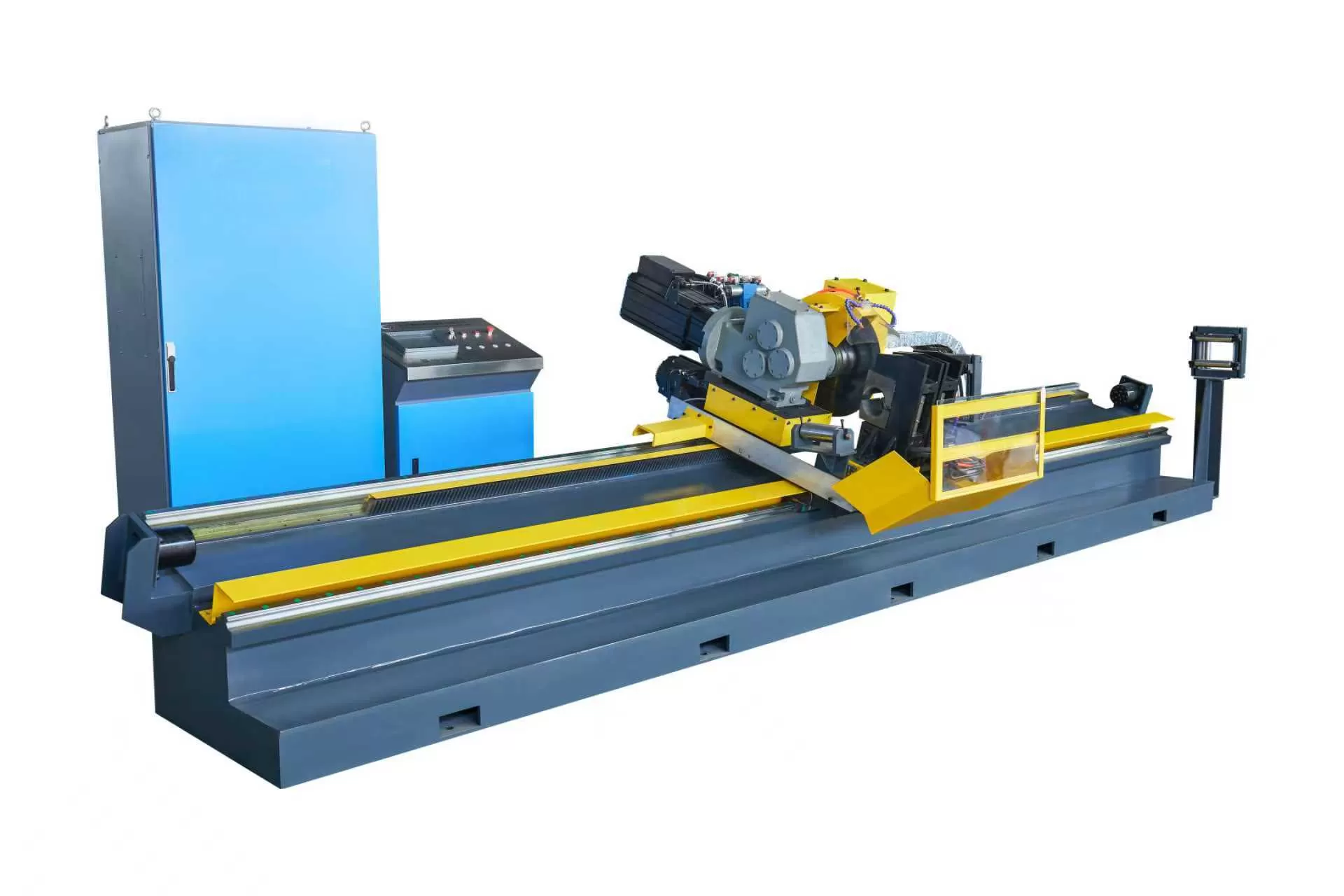
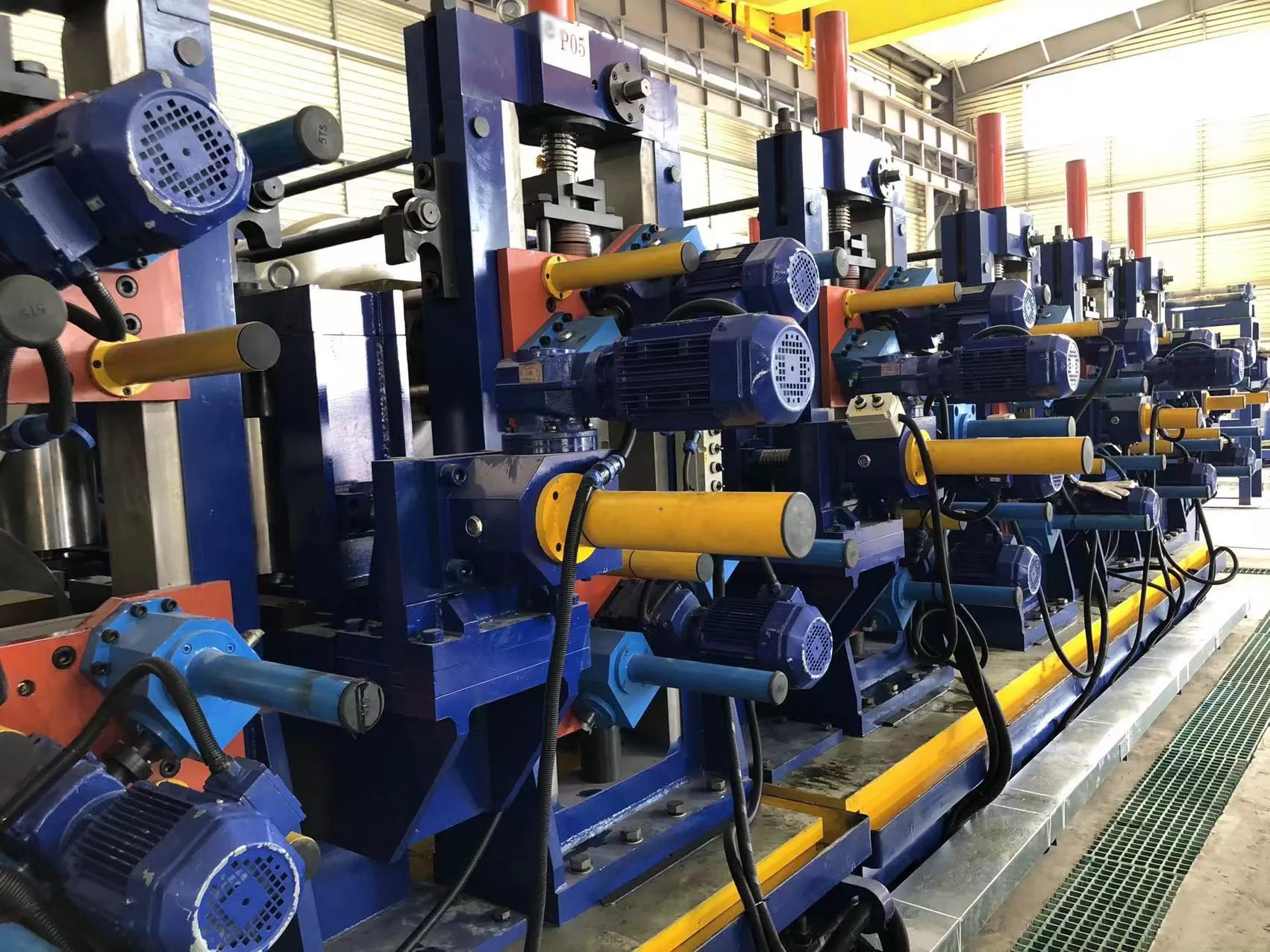
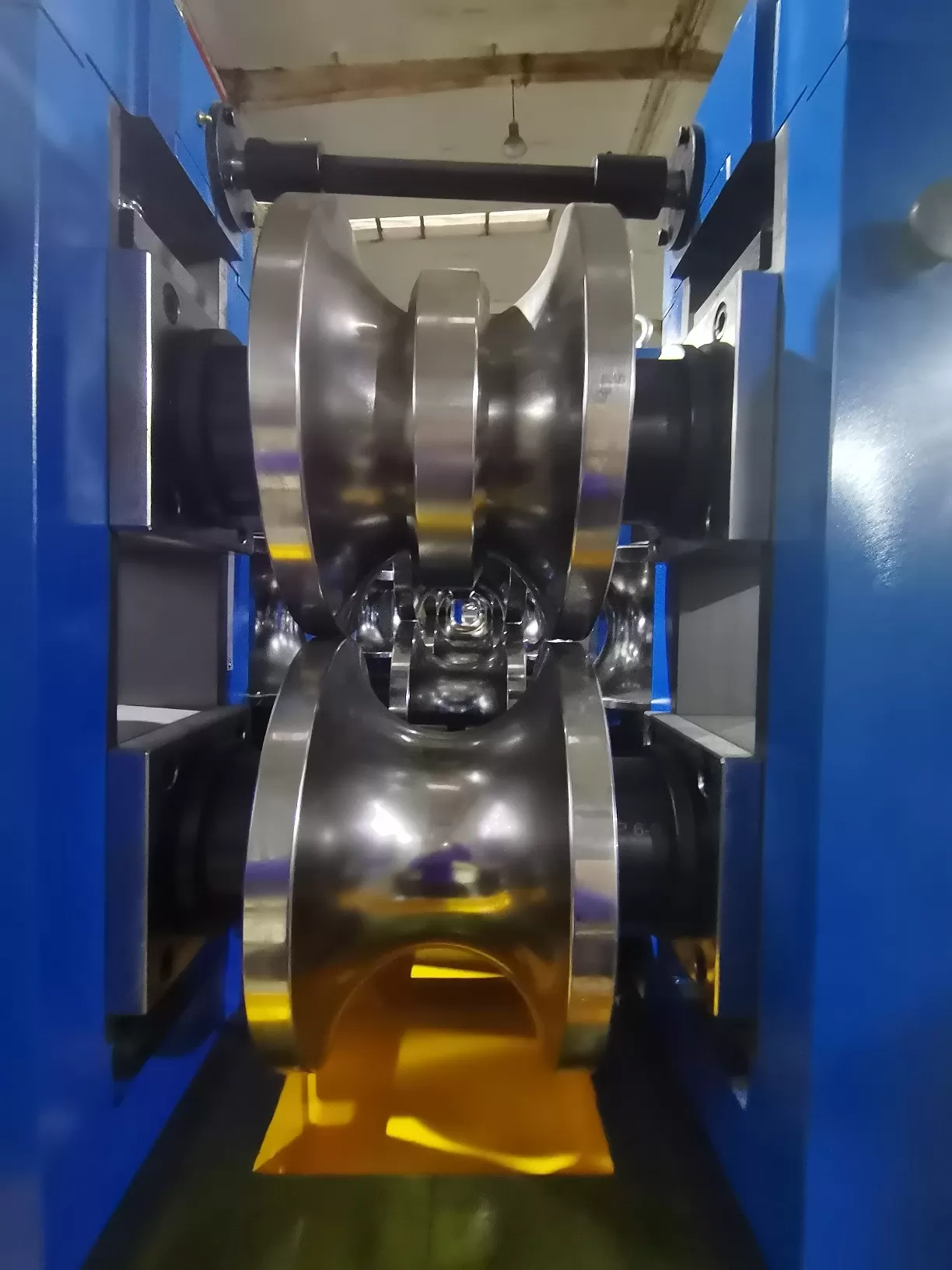
In welded tube and pipe manufacturing, the decoiler machine serves as the starting point of the entire production line. Its function extends beyond simply holding and unwinding steel coils. The decoiler directly influences strip flatness, feed consistency, and overall mill uptime. Any deviation in coil positioning or tension control propagates through the forming section, welding station, and sizing rolls, eventually affecting the final tube geometry and weld integrity. This article examines the mechanical design, control systems, and operational practices that define reliable decoiler performance in high-volume pipe mills.
Mechanical Architecture of Industrial Decoiler Machines
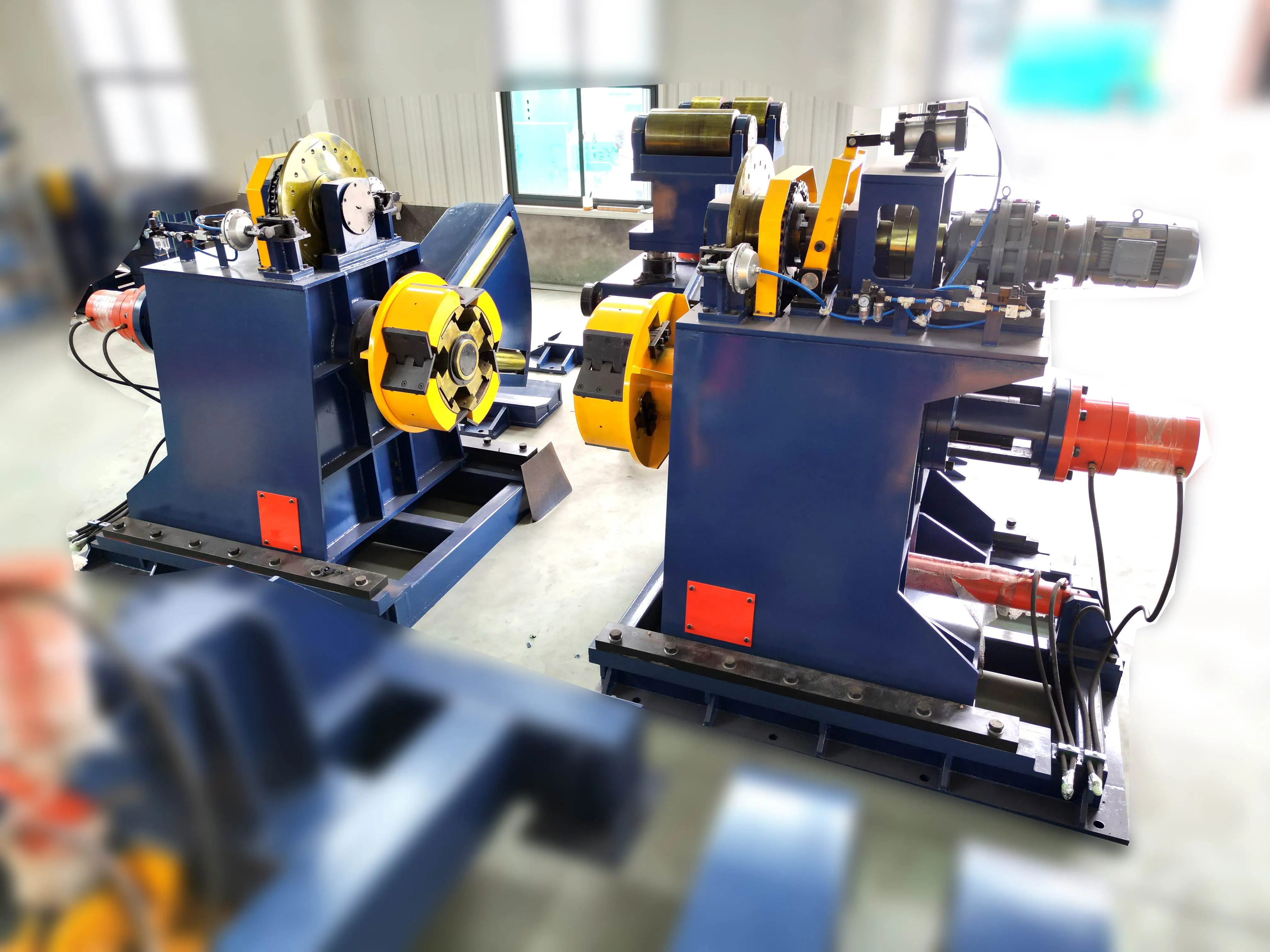
The physical construction of a decoiler machine determines its ability to handle heavy coils at sustained production speeds. Modern mill configurations typically employ either single-mandrel or double-mandrel designs, each suited to different production scales and coil changing frequencies.
Mandrel Design and Coil Loading Mechanisms
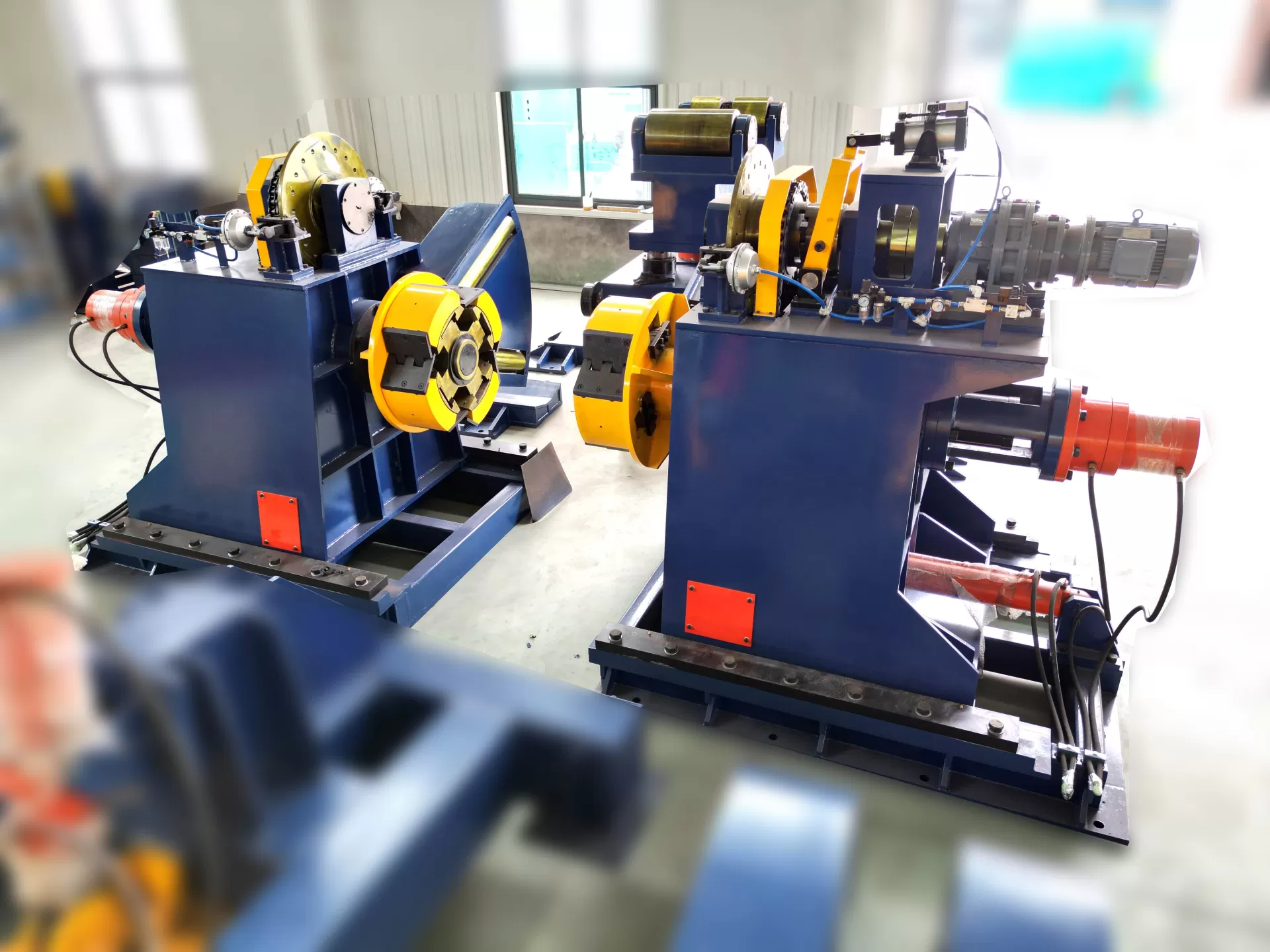
The mandrel represents the central load-bearing component of any decoiler machine. For heavy-gauge strip processing, expanding mandrels with segmented pads provide the necessary grip to prevent coil slippage during acceleration and deceleration. These pads expand radially through hydraulic or mechanical actuation, distributing clamping force evenly across the coil inner diameter. The expansion range must accommodate variations in coil eye diameters, which commonly range from 508 mm to 610 mm in standard pipe mill applications.
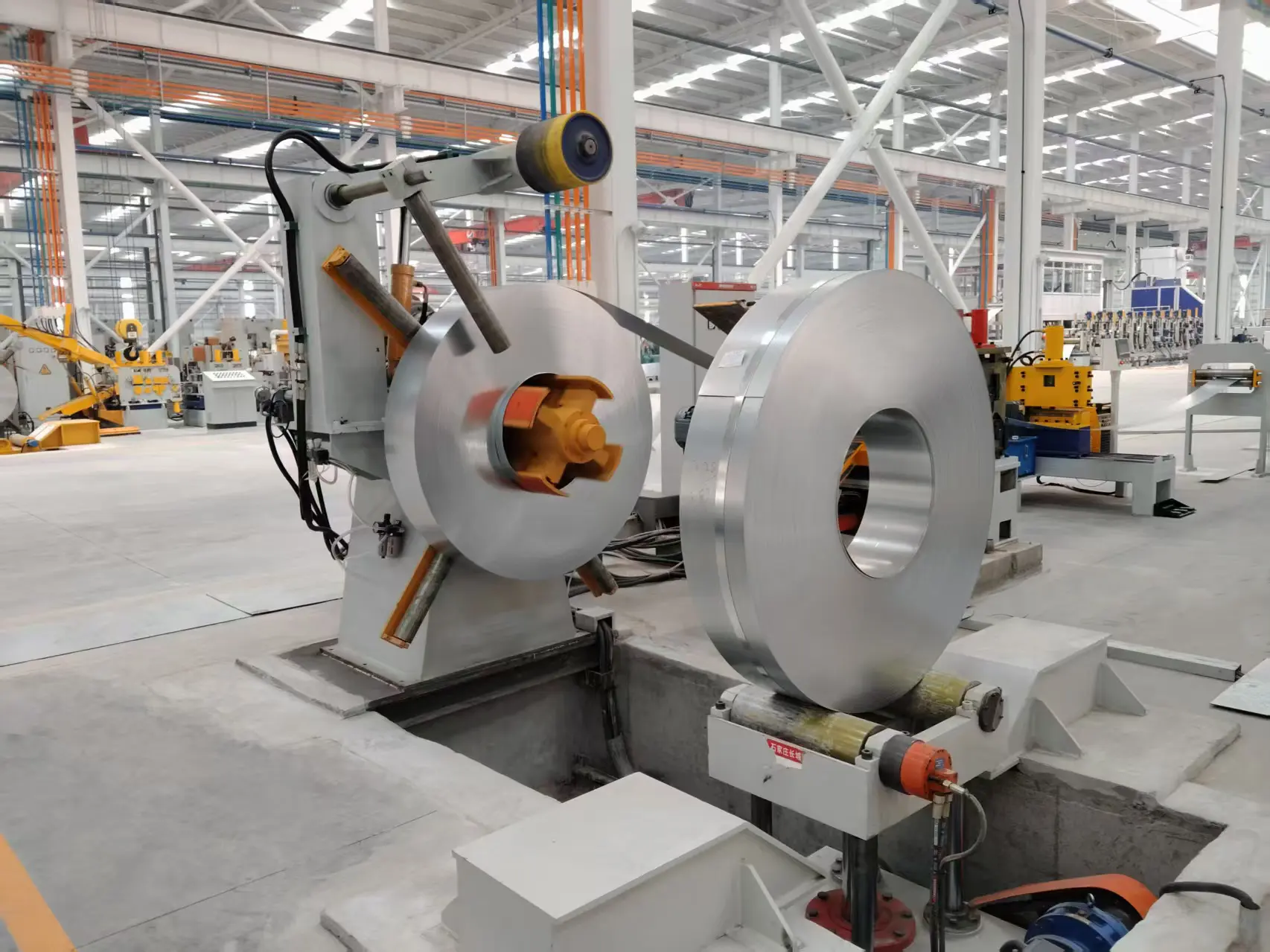
Coil loading methods fall into two primary categories: overhead crane loading and floor-mounted coil cars. Overhead loading suits mills with limited floor space but requires precise crane control to avoid damaging the mandrel or coil edges. Floor-mounted coil cars offer greater positioning accuracy and reduce the risk of impact damage. Many modern decoiler machines integrate coil cars with automatic centering systems that align the coil eye with the mandrel axis before insertion, reducing setup time and operator intervention.
Brake Systems and Back Tension Control
Back tension regulation stands as one of the most critical functions of a decoiler machine. Insufficient tension allows strip to wander laterally, causing edge damage and inconsistent forming. Excessive tension stretches the strip, altering its mechanical properties and compromising weld quality in the downstream process.
Hydraulic braking systems dominate heavy-duty decoiler applications due to their linear torque control characteristics. These systems use variable-displacement pumps and proportional valves to modulate braking force in response to mill speed changes. The brake response time directly affects strip tension stability during acceleration and deceleration phases. For high-speed tube mills operating above 80 meters per minute, the decoiler machines brake system must maintain tension within ±5% of the setpoint value to prevent strip buckling or tearing.
Some advanced decoiler configurations employ regenerative braking, where the decoiler motor acts as a generator during deceleration, converting kinetic energy into electrical energy. This approach reduces wear on mechanical brake components and improves energy efficiency over extended production runs.
Control Systems and Automation in Decoiler Operations
Modern decoiler machines integrate with mill-wide automation networks to synchronize strip feeding with downstream processes. The control architecture typically consists of a programmable logic controller (PLC) managing local functions, interfacing with a distributed control system (DCS) or manufacturing execution system (MES) for production monitoring and data logging.
Strip Tracking and Edge Guidance
Strip tracking sensors positioned between the decoiler machine and the forming section detect lateral strip movement. These sensors use either optical or ultrasonic technologies to measure strip edge position relative to the mill centerline. When the strip drifts beyond the acceptable tolerance, the control system adjusts the decoilers lateral positioning mechanism or modifies the tension profile to correct the deviation.
For mills processing narrow strip widths, passive edge guides with fixed side rolls provide a cost-effective tracking solution. Wider strip applications, however, benefit from active steering systems that use hydraulic cylinders to pivot the entire decoiler frame, maintaining strip alignment without inducing edge stress. This active steering approach becomes particularly relevant when processing high-strength steels that resist bending and require precise entry angles into the forming rolls.
Acceleration and Deceleration Profiles
The decoiler machine must match the acceleration and deceleration characteristics of the entire tube mill. Ramp rates for motor speed and braking torque are programmed into the control system to prevent strip snapping during rapid speed changes. For mills that experience frequent stops for weld inspection or roll changes, the decoilers response to speed variations directly affects production efficiency.
Advanced control algorithms incorporate feedforward compensation, where the decoiler anticipates speed changes based on upstream and downstream equipment status. This predictive capability reduces tension spikes and improves strip handling during transitions between steady-state and transient operating conditions.
Operational Considerations and Maintenance Practices
The reliability of a decoiler machine depends as much on operational practices as on its mechanical design. Mill operators must understand the relationship between coil quality, decoiler settings, and final tube properties to maximize productivity and minimize waste.
Coil Preparation and Loading Procedures
Coil quality directly affects decoiler performance. Coils with irregular winding patterns or edge burrs introduce tension variations that propagate through the mill. Proper coil inspection before loading includes checking for:
- Edge condition: burrs, slits, or jagged edges that can damage decoiler components
- Winding tightness: loose coils cause telescoping during unwinding
- Surface defects: scale, rust, or oil residues that affect strip feeding
- Coil weight and dimensions: verifying compatibility with decoiler capacity
Loading procedures vary between manual and automated systems. In manual operations, the operator positions the coil onto the mandrel using a crane or coil car, then expands the mandrel segments to secure the coil. The strip end is then fed through the pinch rolls and into the forming section. Automated loading systems reduce cycle times by positioning the coil, expanding the mandrel, and initiating strip feeding without operator involvement.
Wear Component Inspection and Replacement
Decoiler machines contain several wear-prone components that require regular inspection and replacement. The mandrel segments and expansion mechanisms experience friction and stress during each coil change. Brake linings and hydraulic seals degrade over time, affecting tension control accuracy. Bearing assemblies supporting the mandrel shaft require periodic lubrication and condition monitoring to prevent unplanned downtime.
Establishing a preventative maintenance schedule based on operating hours or coil changes helps mitigate unexpected failures. Maintenance records should document wear rates for key components, allowing predictive replacement planning that aligns with production schedules. Spare parts inventory for critical decoiler components ensures rapid repair when failures occur.
Operator Training and Procedural Standards
Operator competency significantly influences decoiler machine performance. Training programs should cover:
- Proper coil handling and loading techniques
- Tension setting procedures for different strip grades and thicknesses
- Diagnostic routines for identifying tension variations and strip tracking issues
- Emergency stop procedures and safety protocols
- Lubrication and basic maintenance tasks
Standardized operating procedures reduce variability in decoiler settings and improve consistency across shifts. These procedures should include step-by-step instructions for coil loading, tension adjustment, and troubleshooting common issues. Regular refresher training ensures operators maintain proficiency as equipment and production requirements evolve.
The decoiler machine does not operate in isolation. Its performance interacts with every downstream component, from the strip accumulator and forming rolls to the welding station and sizing section. Understanding these interactions helps mill engineers optimize the entire production line rather than focusing on individual equipment in isolation.
Accumulator Systems and Strip Storage
Many tube mills employ strip accumulators between the decoiler machine and the forming section. These accumulators store strip during coil changes, allowing continuous mill operation while the decoiler is stopped for coil loading. The accumulators storage capacity determines the maximum time available for coil changes, which affects the decoilers loading speed requirements.
During normal operation, the decoiler feeds strip into the accumulator at a rate slightly higher than the mill consumes it. The accumulator maintains a buffer of stored strip, and the decoiler stops when the buffer reaches capacity. When the buffer level drops to a predetermined minimum, the decoiler resumes feeding. This start-stop operation places additional demands on the decoilers acceleration and tension control systems.
Forming Section Input Requirements
The forming section expects strip with consistent width, thickness, and mechanical properties. Variations in decoiler tension can alter strip shape, introducing crossbow or wavy edges that affect forming roll engagement. These shape defects increase forming forces and accelerate roll wear, ultimately reducing tube dimensional accuracy.
Mill engineers must coordinate decoiler tension settings with forming roll gaps and pressures. For example, increasing back tension reduces strip elongation in the forming section but may require higher forming roll forces to achieve the desired tube shape. Finding the optimal tension level involves balancing strip handling requirements with forming process constraints.
Common Operational Issues and Corrective Actions
Decoiler machine operators encounter several recurring issues that affect production quality and efficiency. Understanding these issues and their root causes enables rapid corrective action and reduces downtime.
Strip Telescoping During Unwinding
Telescoping occurs when successive layers of the coil shift axially during unwinding. This condition typically results from improper mandrel expansion, uneven coil winding, or excessive tension variations. The immediate consequence is strip edge damage and potential jamming in the downstream equipment.
Corrective actions include inspecting the mandrel expansion mechanism for wear, verifying coil winding quality with suppliers, and adjusting tension settings to reduce unwinding forces. In some cases, installing strip edge detectors with feedback to the decoiler control system enables automatic correction of telescoping conditions before they cause significant damage.
Stripping and Slippage
Stripping occurs when the strip separates from the coil during unwinding, often accompanied by a sudden increase in tension that can damage forming rolls. Slippage describes the relative motion between the strip and the mandrel, which causes coil shifting and tension instability.
These issues frequently trace to insufficient mandrel expansion pressure, worn mandrel pads, or inadequate coil weight support. Increasing mandrel expansion pressure within recommended limits often resolves slippage. However, operators must balance expansion pressure against coil inner diameter distortion, as excessive pressure can deform the coil and complicate subsequent unwinding.
Tension Spikes and Strip Breakage
Sudden tension spikes during unwinding can cause strip breakage, resulting in production interruptions and material waste. Common causes include sticking between strip layers due to surface rust or oil, mechanical resistance in the decoilers rotating components, and control system response delays.
Preventive measures include applying proper coil lubrication during rolling, maintaining clean decoiler surfaces that contact the strip, and tuning control system parameters to minimize overshoot during acceleration and deceleration. Regular calibration of tension sensors and control valves ensures accurate feedback and responsive corrections.
Selecting the Appropriate Decoiler Configuration
The selection of a decoiler machine for a specific tube mill application involves evaluating production requirements, material characteristics, and facility constraints. The following factors guide the selection process:
- Coil dimensions and weight: Determine the required mandrel diameter, expansion range, and load capacity. Heavy coils demand robust frame structures and powerful hydraulic systems.
- Strip width and thickness: Affect the required braking torque and mandrel length. Wider strips require longer mandrels to support the coil weight distribution.
- Production speed: High-speed mills require decoilers with rapid acceleration and deceleration capabilities, plus responsive tension control systems.
- Material grade: High-strength and stainless steels require higher tension levels and more robust mandrel gripping force compared to mild steel.
- Floor space availability: Determines whether single-mandrel or double-mandrel configurations fit within the mill layout. Double-mandrel decoilers require more floor space but enable faster coil changes.
Decoiler machine designs from SANSO accommodate a wide range of coil dimensions and production speeds, with configurations tailored to specific mill requirements. The engineering team collaborates with customers to define the appropriate mandrel design, brake system, and control architecture for each application.
Advanced Features in Modern Decoiler Designs
Manufacturing technology continues to advance, introducing new capabilities that expand the operational envelope of decoiler machines. These features address emerging requirements in tube and pipe production, particularly in the context of higher strength materials and tighter dimensional tolerances.
Integrated Coil Conditioning Systems
Some decoiler machines now incorporate coil conditioning modules that prepare strip surfaces before entry into the forming section. These modules include edge trimming stations, surface cleaning brushes, and lubricant applicators. By integrating these functions into the decoiler, mills reduce equipment footprint and eliminate additional handling steps that can damage strip edges.
Edge trimming becomes particularly important when processing slitted coils with burrs or irregular edges. The conditioning system removes these defects, preventing them from affecting weld quality or causing forming roll damage. Surface cleaning removes scale and dirt that could become embedded in the weld seam.
Data Acquisition and Condition Monitoring
Instrumented decoiler machines collect operational data that supports predictive maintenance and process optimization. Sensors monitor mandrel vibration, bearing temperature, hydraulic pressure, and tension variations. This data is transmitted to a central monitoring system that analyzes trends and generates alerts when parameters approach predetermined thresholds.
Long-term data analysis reveals patterns in decoiler performance relative to coil characteristics, production speed, and maintenance intervals. Mill engineers use this information to refine tension settings, schedule maintenance activities, and identify opportunities for equipment upgrades.
Q1: What distinguishes a double-mandrel decoiler from a single-mandrel design?
A double-mandrel decoiler incorporates two mandrels mounted on a rotating turret. While one mandrel feeds strip to the mill, the other can be loaded with a fresh coil. When the active coil approaches depletion, the turret rotates to bring the fresh coil into feeding position, enabling coil changes without stopping the mill. A single-mandrel decoiler requires a brief production stop for each coil change. The double-mandrel configuration suits high-volume mills where continuous production is paramount.
Q2: How does strip thickness influence decoiler tension settings?
Thicker strips require higher back tension to maintain adequate strip control and prevent sagging between the decoiler and the mill entry. This tension prevents the strip from wandering laterally and ensures consistent entry into the forming section. The relationship between thickness and tension is not linear; the optimal value depends on strip width, yield strength, and the distance between the decoiler and the mills first forming roll.
Q3: What maintenance tasks are essential for decoiler longevity?
Regular inspection of mandrel expansion mechanisms, brake system components, and bearing assemblies forms the foundation of decoiler maintenance. Hydraulic system maintenance includes monitoring fluid cleanliness and replacing filters according to manufacturer schedules. Drive motor maintenance involves checking electrical insulation resistance and verifying cooling system operation. Maintenance records should track component wear and performance trends to predict replacement timing.
Q4: Can a decoiler process different coil diameters without requiring hardware changes?
Most industrial decoilers are designed with adjustable mandrel expansion ranges that accommodate variations in coil eye diameters within a specified range. However, significant changes in coil diameter may require mandrel segment replacement or adjustments to the expansion mechanism. Some decoilers offer quick-change mandrel systems that reduce the time required to switch between coil size ranges.
Q5: What role does the decoiler play in weld quality?
The decoiler directly affects weld quality through its control of strip tension and edge alignment. Inconsistent tension causes variations in the strip width entering the forming section, which changes the gap at the weld point and affects fusion zone geometry. Similarly, misaligned strip edges create uneven edge heating and reduce weld strength. A properly tuned decoiler ensures consistent strip feed to the forming section, enabling stable weld conditions.
Q6: How do control systems compensate for coil weight reduction during unwinding?
As the coil unwinds, the mandrel speed increases to maintain constant strip velocity, and the required braking torque decreases. Modern decoiler control systems use coil diameter measurement or motor current feedback to adjust braking force continuously throughout the unwinding process. This compensation prevents tension variations that would otherwise occur as the coil diameter decreases.
Q7: What safety features are standard on modern decoiler machines?
Standard safety features include emergency stop buttons accessible from multiple locations, light curtains or safety fencing around moving components, pressure relief valves on hydraulic systems, and mechanical overspeed protection devices. Interlocks prevent mandrel rotation when access doors are open, and warning systems alert operators to abnormal operating conditions.
For specific decoiler machine configurations or to discuss production requirements, contact the engineering team at SANSO to review application details and receive a recommended equipment specification.