
5 Critical Aspects of a Modern Steel Tube Mill for Efficient Production
2026-07-11
The manufacturing of welded steel tubes relies on a core piece of industrial equipment: the steel tube mill. This integrated production line is engineered to transform flat steel strip into precise, strong, and consistent tubular products. Its performance dictates the quality, cost, and output of the entire fabrication process.
For producers of structural, mechanical, and precision tubes, investing in the right mill technology is a strategic decision. The choice influences material yield, energy consumption, and operational flexibility. Industry-leading manufacturers, such as SANSO, specialize in designing and building these complex systems to meet diverse and demanding production requirements.
1. Core Components and Their Function in a Steel Tube Mill
A modern steel tube mill is not a single machine but a synchronized line of specialized stations. Each component plays a vital role in the sequential process of tube making.
The Entry and Forming Section
This section prepares and shapes the raw material. It typically starts with a decoiler that feeds the steel coil into a leveling machine. The leveler removes coil curvature, ensuring perfectly flat strip enters the forming roll stands.
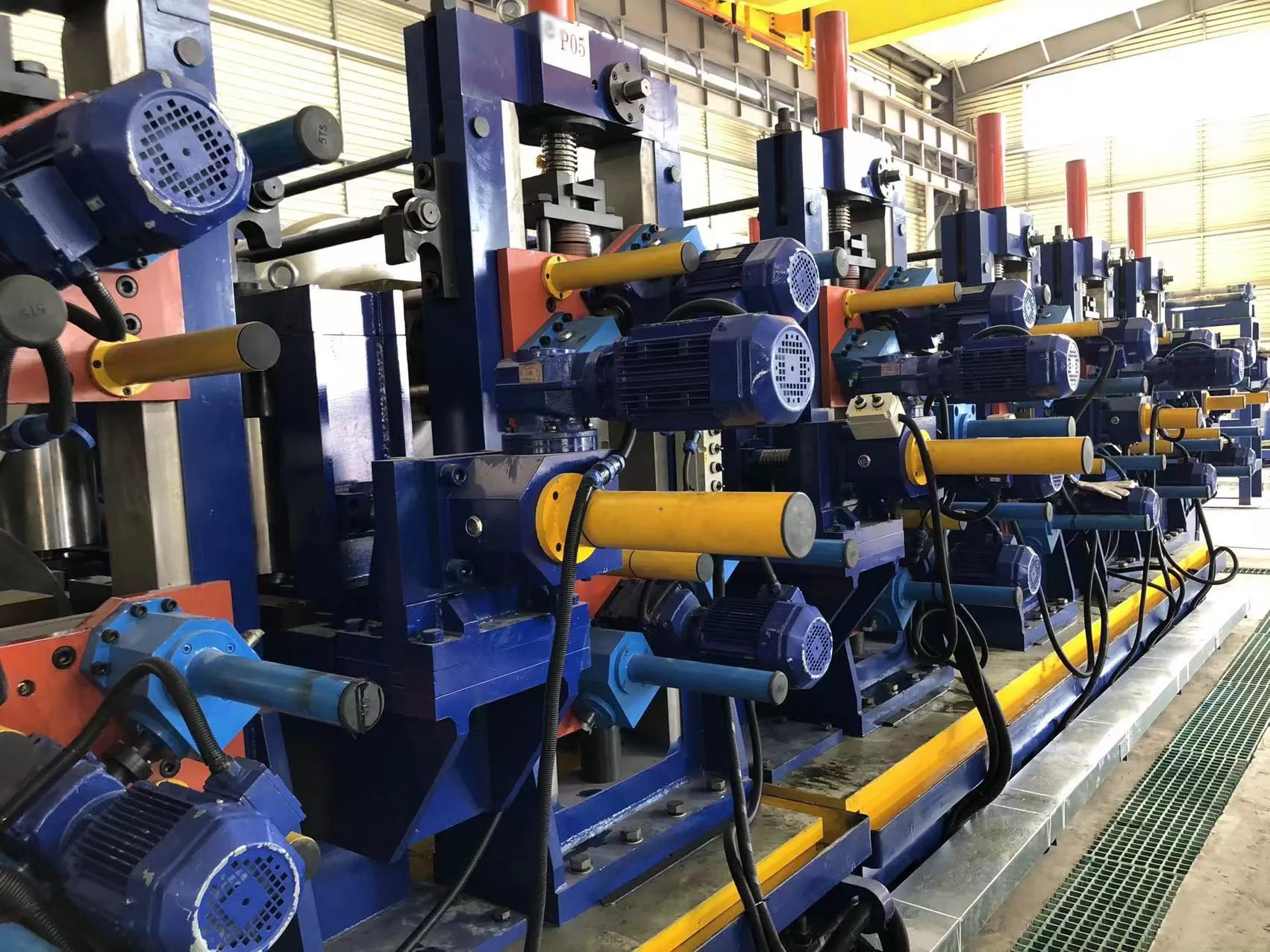
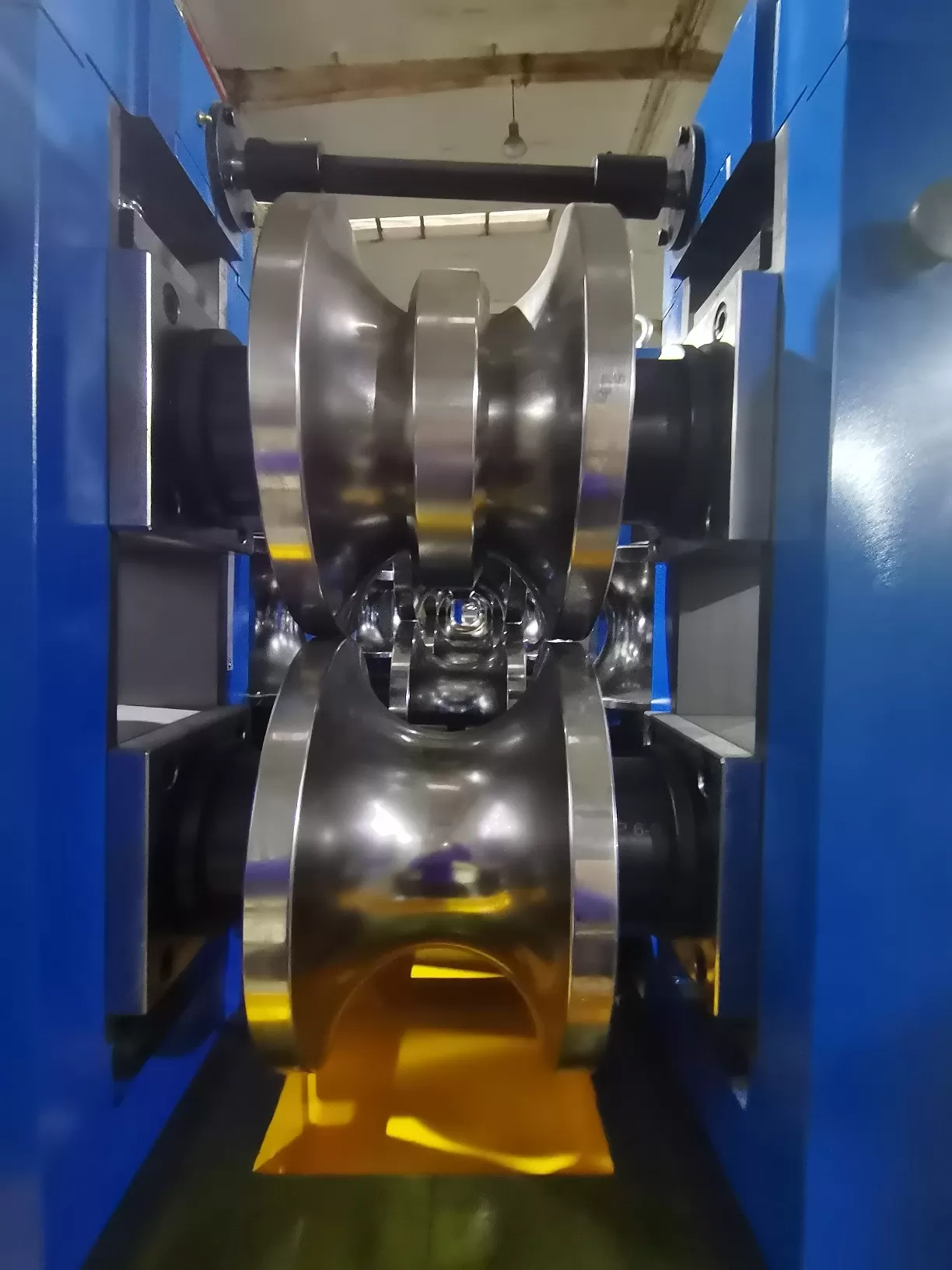
- Forming Roll Stands: A series of stations with progressively contoured rolls that gradually bend the flat strip into a circular shape.
- Function: To bring the two edges of the strip together seamlessly for welding.
The Welding and Sizing Section
This is the technological heart of the mill. Once the edges meet, they are welded. Immediately after welding, the tube passes through sizing stands.
- Welder: Often a High-Frequency (HF) induction welder for carbon steel, creating a strong forge weld.
- Sizing Stands: Calibrate the welded tube to its exact final outside diameter and perfect roundness.
The Cut-Off and Handling Section
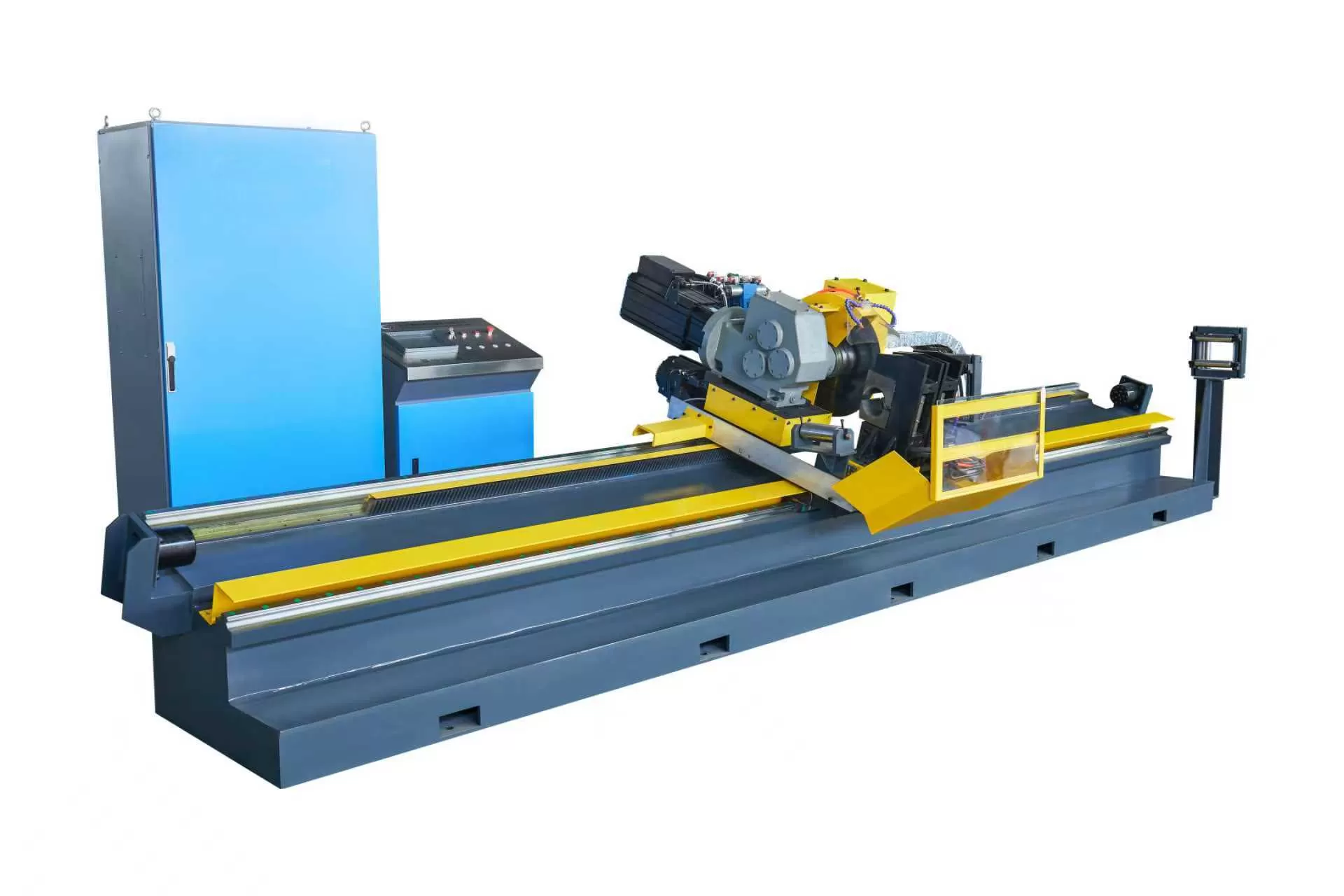
This final section manages the finished product. A flying cut-off saw slices the continuous tube to predetermined lengths. Run-out tables and automatic bundlers then organize the cut tubes for packaging and shipment.
2. Key Technologies Driving Mill Performance
The efficiency and output quality of a steel tube mill are defined by its core technologies.
Advanced Welding Systems
Beyond standard HF welding, mills for stainless steel or high-precision applications may use TIG (Tungsten Inert Gas) or laser welding. These methods offer superior weld aesthetics and integrity for specific markets, impacting the mills design and cost.
Digital Control and Automation
Modern mills are governed by sophisticated PLC (Programmable Logic Controller) systems. These provide centralized control over line speed, weld parameters, and cut lengths. Automation reduces manual intervention, minimizes errors, and provides valuable production data.
Integration of such controls is a hallmark of reliable manufacturers like SANSO, ensuring their steel tube mill solutions are both powerful and user-friendly.
3. Operational Factors Impacting Efficiency and Quality
Daily operational practices have a direct impact on the mills output and the quality of the tubes produced.
Tooling Setup and Maintenance
The forming and sizing rolls are critical wear components. Their precise alignment and condition are non-negotiable for producing tubes within tight tolerances. A disciplined maintenance schedule is essential.
- Regular inspection for wear and scoring.
- Proper cleaning and storage of roll sets for different tube sizes.
- Timely re-profiling or replacement of worn tooling.
Material Consistency
The quality of the incoming steel strip is paramount. Variations in width, thickness, or material grade can cause production issues such as weld flaws or dimensional inaccuracy. A consistent, high-quality raw material supply is a key prerequisite for optimal mill performance.
4. Applications and Product Versatility
A well-designed steel tube mill can produce a wide range of products, making it a versatile capital asset.
Standard Round Tubes and Pipes
This is the most common output, used extensively in construction, mechanical engineering, furniture, and low-pressure fluid systems. The mill can be adjusted to produce various diameters within its designed range.
Square and Rectangular Hollow Sections (SHS/RHS)
With additional shaping stands, a mill can produce square and rectangular tubes. These are highly sought after for structural applications due to their flat sides, which simplify connection and fabrication. Specialized lines, like those from SANSO, are often configured for this purpose.
5. Strategic Considerations for Selection and Investment
Choosing a new mill requires a thorough analysis of both current needs and future growth plans.
Defining Technical Specifications
Clearly outline your required product range: tube diameters, wall thicknesses, material grades (e.g., mild steel, galvanized), and target production speed (meters per minute). This forms the basis for any quotation from a steel tube mill manufacturer.
Evaluating Total Cost of Ownership
Look beyond the initial purchase price. Consider long-term factors such as energy efficiency, expected maintenance costs, availability of spare parts, and the potential for future upgrades. A slightly higher upfront investment in a robust, efficient machine often yields a better return over its lifespan.
Manufacturer Support and Service
The relationship with the manufacturer is critical. Ensure they offer comprehensive after-sales support, including installation supervision, operator training, technical assistance, and a reliable supply of genuine spare parts.
Frequently Asked Questions (FAQs)
Q1: What is the main difference between a tube mill and a pipe mill?
A1: The terms are frequently used interchangeably in industry. Technically, "tube" often implies products with precise dimensional tolerances for structural or mechanical applications, while "pipe" is associated with pressure ratings for fluid conveyance. However, the same steel tube mill machinery can often manufacture both.
Q2: How often do the forming rolls need to be replaced?
A2: There is no fixed timeline; it depends on production volume, material hardness, and maintenance. Rolls are subject to wear and may require re-profiling every few months in high-use scenarios. A full set might last several years before needing complete replacement. Regular inspection is key.
Q3: Can a mill be upgraded to produce different shapes or larger diameters?
A3: Upgrades are possible but have limits. Adding stands to produce square tubes is a common upgrade. Increasing the maximum diameter, however, often requires replacing the entire forming section and is usually not feasible. Its best to select a mill with a future-proof size range from the start.
Q4: What are the most critical safety features on a modern mill?
A4: Essential safety features include emergency stop cables along the entire line, interlocked guarding around all moving parts and pinch points, safety light curtains at loading zones, and proper electrical grounding for the welding system. Comprehensive operator training on these features is mandatory.
Q5: What level of automation is right for a small to medium-sized producer?
A5: A semi-automatic line with a user-friendly digital control system is often the best balance. It reduces reliance on highly skilled operators for basic functions while keeping the initial investment manageable. Full automation with robotics is typically reserved for very high-volume production.
A modern steel tube mill is a sophisticated engineering system that forms the backbone of countless manufacturing sectors. Its design, technology, and operation directly determine a producers capability to deliver quality products competitively.
Success in tube manufacturing hinges on understanding the interplay between mill components, maintaining rigorous operational discipline, and making a strategic investment aligned with long-term business goals. A well-chosen mill is a asset that drives productivity and growth for decades.
For businesses evaluating their production technology, partnering with an experienced and reliable equipment provider is essential. Manufacturers like SANSO, with their focus on robust engineering and integrated solutions, offer steel tube mill systems designed to deliver consistent performance and a strong return on investment in the global marketplace.
article tags:
Related News
More Category
Hot Articles
-
 How to Choose the Right Reel Uncoiler for Your Welded Pipe Manufacturing Plant
 -
 High-Precision Decoiler and Straightener Systems: Industrial Selection & Setup Guide
 -
 Flying Cold Saw vs. Friction Saw: Which is Right for Your Tube Mill?
 -
 ERW Tube Mill: The Complete Engineering & Process Guide
 -
 Top 7 Global ERW Tube Mill Machine Manufacturers: Who Builds the Best?
New Articles
Hot Tags