
Accueil > Blogs > Choisir un accumulateur de moulin à tubes : 6 facteurs critiques pour l'alimentation continue en bandes
Choisir un accumulateur de moulin à tubes : 6 facteurs critiques pour l'alimentation continue en bandes
2026-08-27
Le temps d'arrêt pour le changement de bobine est l'un des goulets d'étranglement les plus coûteux dans la fabrication de tubes ERW à haute fréquence. Chaque fois qu'un opérateur arrête la ligne pour couper et souder une nouvelle extrémité de bobine, l'ensemble du laminoir en souffre. La production tombe à zéro, les outils de rouleau subissent des chocs thermiques et mécaniques, et le joint de soudure instable produit des tuyaux hors spécifications qui grignotent vos marges.
Un accumulateur de laminoir à tubes fiable résout ce goulet d'étranglement opérationnel. En agissant comme un tampon dynamique, il alimente en continu la bande d'acier dans la section de formation pendant que l'opérateur d'entrée charge, découpe et soude la prochaine bobine. Vos sections de formation, de soudage, de dimensionnement et de découpe continuent de fonctionner à pleine vitesse de production sans interruption.
Tous les accumulateurs ne fonctionnent pas de manière égale dans des conditions réelles d'usine. Sélectionner la mauvaise unité entraîne une torsion de la bande, des dommages aux bords, des rayures sur la surface et des blocages fréquents de la ligne. S'appuyant sur plus de 20 ans d'expérience dans la fabrication d'équipements, HEBEI SANSO MACHINERY décrit les six facteurs techniques critiques que vous devez évaluer avant d'investir dans un accumulateur de laminoir à tubes.
1. Compatibilité des dimensions de la bande (épaisseur, largeur et résistance à la traction)
Chaque ligne de laminoir à tubes gère une enveloppe spécifique de diamètres extérieurs (DE) et d'épaisseurs de paroi. Chez SANSO, notre équipement de laminoir à tubes ERW couvre des plages de tuyaux allant de petits tubes de précision de DE 8 mm jusqu'à des tuyaux structurels lourds de DE 508 mm. Votre accumulateur doit s'adapter à l'ensemble du spectre de vos dimensions de bande prévues.
L'épaisseur de la bande et la résistance à la traction du matériau dictent la force mécanique requise pour enrouler, guider et dérouler l'acier à l'intérieur du panier de stockage :
Bande à paroi épaisse et à haute résistance : Les matériaux épais (tels que l'acier au carbone structurel de 4 mm à 16 mm) possèdent de fortes caractéristiques de rebond. La cage de stockage et les rouleaux de guidage centraux doivent présenter une rigidité structurelle élevée et de grands rayons de courbure pour éviter la déformation du matériau ou une charge excessive sur le moteur d'entraînement.
Bande à paroi fine : Les matériaux fins (inférieurs à 1,0 mm) manquent de rigidité latérale. Si les rouleaux de guidage appliquent une pression inégale ou si la tension de la boucle est trop élevée, les bords de la bande se plieront, se plisseront ou se replieront, entraînant de graves collisions à l'intérieur de l'accumulateur.
Variation de la largeur de la bande : Assurez-vous que les mécanismes de guidage d'entrée et de sortie disposent d'ajustements de largeur rapides, motorisés ou manuels calibrés pour minimiser le temps de configuration entre les séries de production.
2. Capacité de stockage de la bande vs. Temps de cycle de changement de bobine
Un accumulateur échoue à sa tâche principale si la ligne manque de bande stockée avant que l'opérateur ait terminé de joindre les bobines. Pour calculer la capacité de stockage de bande requise, vous avez besoin d'une évaluation précise de votre cycle de jonction de bobines et de votre vitesse maximale de ligne.
Utilisez cette formule d'ingénierie pour déterminer votre longueur de stockage minimale requise :
Longueur de stockage = (Temps de soudage + Temps de manipulation de la bobine) × Vitesse maximale de la ligne × Facteur de sécurité
Considérez les variables opérationnelles qui composent cette formule :
Temps de manipulation de la bobine : La durée nécessaire pour retirer la bande de queue, élargir le tambour de dérouleur, charger la nouvelle bobine maîtresse et alimenter l'extrémité de tête à travers le redresseur.
Temps de soudage : Le temps nécessaire pour que le cisailleur et le soudeur d'extrémité recadrent les deux extrémités à angle droit et exécutent un soudage bout à bout à pleine pénétration (TIG manuel, MAG semi-automatique ou soudage par cisaillement automatique).
Vitesse de ligne maximale : La vitesse linéaire continue la plus élevée à laquelle votre laminoir fonctionne (par exemple, 80 m/min, 120 m/min ou 150 m/min).
Facteur de sécurité : Intégrez toujours une marge de 15 % à 20 % (un facteur de 1,15 à 1,20) pour tenir compte des retards des opérateurs, de la mauvaise qualité des bords de bobine brute ou des reprises de joints de soudure.
Si votre changement combiné prend 120 secondes et que votre laminoir fonctionne à 100 mètres par minute, vous consommez 200 mètres de bande pendant le soudage. Avec un multiplicateur de sécurité de 1,20, votre accumulateur doit stocker au moins 240 mètres de matériau utilisable. Dimensionner l'unité trop petite oblige vos opérateurs à ralentir le laminoir, ce qui compromet la constance de la température de soudage à haute fréquence.
3. Configuration de l'accumulateur : Pourquoi l'accumulateur spiral horizontal domine les laminoirs modernes
Les laminoirs utilisent trois styles d'accumulateurs principaux : accumulateurs de fosse, tours à boucle verticale et accumulateurs spiraux horizontaux. Comprendre les compromis vous aidera à choisir la meilleure option pour le plan de votre usine et vos objectifs de production.
Accumulateurs de fosse souterraine : Ces systèmes stockent la bande dans une fosse ouverte ou en boucle sous le sol. Bien que mécaniquement simples, ils nécessitent une excavation civile coûteuse, collectent des débris d'atelier et de l'humidité, rayent les surfaces de bande et ont du mal avec des matériaux de forte épaisseur.
Tours à boucle verticale : Les accumulateurs verticaux stockent la bande dans des festons verticaux utilisant des chariots à rouleaux mobiles. Ils nécessitent une hauteur de plafond élevée, exercent une tension fluctuante sur la bande et introduisent des défis d'entretien substantiels à de grandes hauteurs.
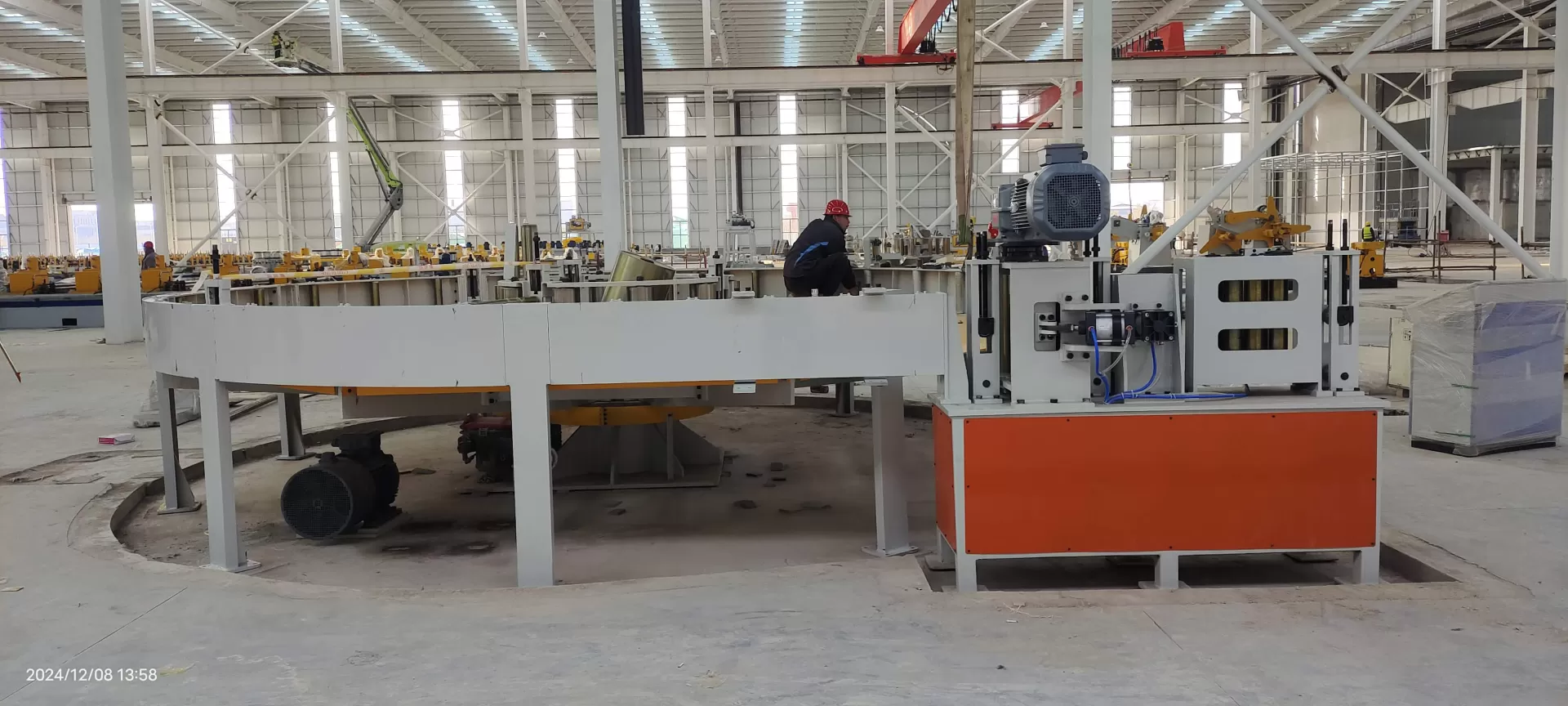
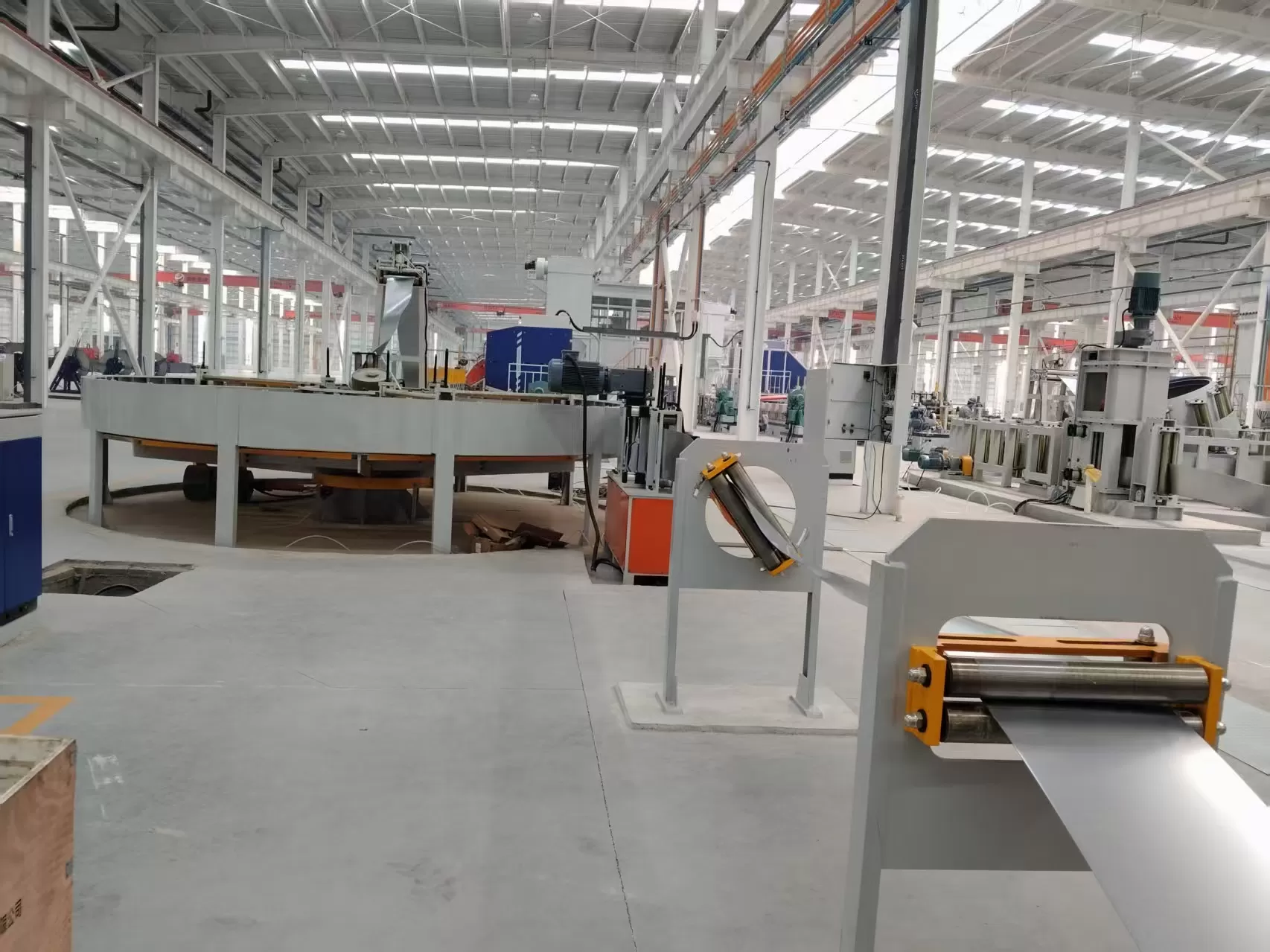
Accumulateurs spiraux horizontaux : La norme industrielle moderne. La bande entre dans les rouleaux d'entraînement extérieurs, forme des spirales concentriques lisses sur un plan horizontal et sort proprement du noyau central directement dans le laminoir.
SANSO recommande l'accumulateur spiral horizontal pour la plupart des lignes de production de tubes ERW. Il offre la plus grande capacité de stockage dans un encombrement compact, gère des gammes d'épaisseur larges en douceur, maintient l'entretien accessible au niveau du sol et maintient une livraison constante et à faible tension arrière au laminoir de formage.
4. Mécanismes de protection de la surface de la bande
Les exigences de qualité de surface ont augmenté dans les marchés structurels, de mobilier, automobile et de conduits. Lorsque la bande traverse un accumulateur à des vitesses de chargement allant jusqu'à 300 à 400 m/min, le frottement contre les composants de guidage peut provoquer des rayures, des marques d'usure et un dénudage de la couche de zinc sur les matériaux galvanisés.
Lors de l'examen de la construction de l'accumulateur, inspectez les mesures de protection appliquées le long de tout le chemin de la bande :
Choix du matériau des rouleaux : Des rouleaux en polyuréthane de haute qualité, en acier allié durci ou en nylon technique empêchent les éraflures métal sur métal sur les bords et les surfaces de la bande.
Contrôle de centrage et de torsion : Des rouleaux de guidage à angle de précision doivent supporter la bande sans la pincer. Le mécanisme de torsion qui transitionne la bande du décoilage horizontal à l'orientation spirale doit utiliser des supports de guidage progressifs pour éliminer le durcissement par travail ou l'étirement des bords.
Contrôle de frottement de décoilage : Les bras de support internes doivent comporter des patins de contact à faible frottement pour garantir une expansion et une contraction radiales en douceur lorsque la bande entre et sort.
Pour la fabrication de tubes en acier inoxydable, pré-peints et galvanisés, la protection de surface empêche les lots rejetés et les coûts de polissage secondaire.
5. Systèmes de contrôle de conduite et synchronisation de vitesse à haute dynamique
Un accumulateur est une machine active et dynamique régie par une logique de conduite sophistiquée. La vitesse de remplissage de l'accumulateur doit fonctionner à 2 à 3 fois la vitesse de ligne du laminoir à tubes pour reconstituer rapidement la bande stockée après une jonction de bobine.
Le système de contrôle doit gérer des taux d'accélération et de décélération élevés sans provoquer de fléchissement de la bande ou de pics de tension violents :
Variateurs de fréquence (VFD) et intégration PLC : Des variateurs de flux vectoriel AC à haute réponse ou des contrôles servo régulent les rouleaux de pincement d'alimentation. Le PLC principal suit la consommation du laminoir via des encodeurs rotatifs et ajuste dynamiquement la vitesse d'alimentation.
Régulation dynamique de la tension : À mesure que la bobine se dilate et se contracte à l'intérieur du panier en spirale, le système de conduite maintient une tension de rappel constante au rouleau de pincement de sortie. Un tirage excessif modifie l'alignement d'entrée de la bande dans les stands de déformation ; une tension lâche provoque des enchevêtrements de bande.
Surveillance intelligente des pannes : Des capteurs intégrés détectent la plénitude de la boucle, l'épuisement du matériau, le croisement de la bande et le positionnement de la queue de bande, alertant les opérateurs avant qu'un blocage mécanique ne se produise.
6. Rigidité mécanique et qualité de fabrication interne
Un accumulateur en spirale horizontal subit des vibrations de rotation continues, un stress mécanique cyclique et des charges dynamiques élevées lors de la charge rapide. L'intégrité structurelle détermine si une machine fonctionne sans problème pendant 15 ans ou développe une distorsion du cadre en 24 mois.
Faites attention à la manière dont le fabricant d'équipement construit la machinerie :
Construction du cadre et soulagement des contraintes : De lourdes plaques d'acier structurel doivent être soudées avec des joints à pénétration complète et soulagées thermiquement avant l'usinage. Cette étape empêche la déformation du cadre au fil des années de cycles lourds de bobines.
Usinage de précision des composants de conduite : Un alignement incorrect de l'arbre central provoque une défaillance prématurée des roulements et une usure inégale des bras de guidage internes.
Profondeur de fabrication interne : De nombreux vendeurs d'équipement sous-traitent leur fabrication à des ateliers tiers, ce qui entraîne des tolérances lâches et des pièces de rechange incohérentes.
Chez SANSO, nous fabriquons plus de 90 % de nos composants mécaniques en interne à l'aide de centres d'usinage CNC robustes. Nous contrôlons l'ensemble du processus, de la découpe de l'acier brut et du traitement thermique à l'assemblage final et aux tests dynamiques. Ce contrôle de fabrication garantit que notre équipement d'entrée de laminoir à tubes résiste à des cycles de service à grande vitesse.
L'avantage SANSO dans l'alimentation continue de bande
Choisir le bon accumulateur nécessite une approche au niveau du système. L'accumulateur doit fonctionner de manière transparente avec votre dérouleur, redresseur, cisaille et soudeur de bout, et laminoir à tubes. Un décalage dans la réponse de vitesse ou les lignes centrales des rouleaux provoque d'innombrables maux de tête d'alignement lors de la mise en service.
SANSO fournit des zones d'entrée complètes et synchronisées laminoir à tubes ERW. Nous adaptons le diamètre de l'accumulateur, le chemin de la bande, la métallurgie des rouleaux et le logiciel de conduite à votre configuration d'usine spécifique et aux grades de matériaux. Que vous produisiez des conduits à paroi mince ou des tubes API à paroi épaisse, notre équipement assure une alimentation continue et stable de la bande, shift après shift.
Questions Fréquemment Posées (FAQ)
Q1 : Quelle est la principale différence entre un accumulateur à boucle verticale et un accumulateur à spirale horizontale ?
A1 : Un accumulateur à boucle verticale stocke le bandeau en festons verticaux à l'aide de chariots de transport suspendus, nécessitant une hauteur de bâtiment importante et créant une tension de bande variable. Un accumulateur à spirale horizontale stocke le bandeau en bobines plates et concentriques sur un plan au niveau du sol. La conception à spirale horizontale économise de l'espace vertical, offre un plus grand volume de stockage, gère des gammes d'épaisseur plus larges et fournit une tension de bande cohérente dans le laminoir.
Q2 : À quelle vitesse l'alimentation de l'accumulateur doit-elle fonctionner par rapport à la vitesse de la ligne de laminoir ?
A2 : L'entraînement de l'alimentation de l'accumulateur doit fonctionner à 2 à 3 fois la vitesse maximale de la ligne de formation. Par exemple, si votre laminoir ERW fonctionne à 80 m/min, votre vitesse de chargement de l'accumulateur devrait atteindre 160 à 240 m/min. Ce différentiel de vitesse garantit que l'accumulateur se remplit rapidement après un changement de bobine, laissant un tampon plein prêt pour le prochain cycle de bobine.
Q3 : Un seul accumulateur à spirale horizontale peut-il gérer à la fois des bandes d'acier au carbone et des bandes d'acier galvanisé ?
A3 : Oui, à condition que l'accumulateur dispose de matériaux de rouleaux appropriés et d'un contrôle de tension. Pour les bandes galvanisées, les rouleaux de guidage et les surfaces de support doivent utiliser du polyuréthane, du nylon technique ou des rouleaux en alliage spécialement polis pour éviter l'écaillage ou les rayures sur le revêtement protecteur en zinc. Une synchronisation de vitesse fluide est également essentielle pour éviter le glissement de la bande.
Q4 : Comment savoir si mon laminoir existant peut être modernisé avec un accumulateur moderne ?
A4 : La plupart des laminoirs peuvent intégrer un retrofit d'accumulateur s'il y a suffisamment d'espace linéaire au sol entre la station de décoilage/soudage et le premier poste de formation de déformation. Les ingénieurs de SANSO évaluent l'axe central de votre ligne, les protocoles de communication des entraînements et la disposition de l'usine pour concevoir des adaptateurs d'entrée sur mesure qui s'adaptent à votre infrastructure existante.
Q5 : Quel entretien quotidien nécessite un accumulateur de laminoir ?
A5 : L'entretien de routine comprend la vérification des systèmes de lubrification automatique pour les roulements principaux et les rouleaux, l'inspection des rouleaux de guidage pour l'usure de surface ou les rainures, la vérification de la propreté des capteurs optiques/encodeurs et l'inspection des courroies d'entraînement et des réducteurs pour une tension et des niveaux d'huile appropriés. Étant donné que les unités horizontales sont au niveau du sol, les tâches d'entretien sont rapides et sûres pour les opérateurs de l'usine.
Modernisez Votre Laminoir pour une Productivité Continue
Éliminer le temps d'arrêt dû au changement de bobine est le moyen le plus direct d'augmenter la production, de réduire les taux de déchets et de protéger vos outils de laminage. Investir dans un accumulateur de laminoir correctement conçu se rentabilise grâce à des gains immédiats en Efficacité Globale des Équipements (OEE).
Préparez-vous à une nouvelle ligne de tubes ERW ou cherchez-vous à moderniser votre section d'entrée existante pour une production ininterrompue ? Contactez l'équipe d'ingénierie de SANSO dès aujourd'hui. Partagez vos dimensions de bande, vos nuances d'acier et vos vitesses de ligne cibles, et nos spécialistes techniques prépareront une spécification d'accumulateur sur mesure et une analyse de retour sur investissement pour votre usine.
tags d'article:
Actualités connexes
More Articles populaires
-
 Comment choisir le bon dérouleur de bobine pour votre usine de fabrication de tuyaux soudés
 -
 Systèmes de Dérouleur et Redresseur de Haute Précision : Guide de Sélection et d'Installation Industrielle
 -
 Scie à froid volante vs. scie à friction : laquelle est la meilleure pour votre moulin à tubes ?
 -
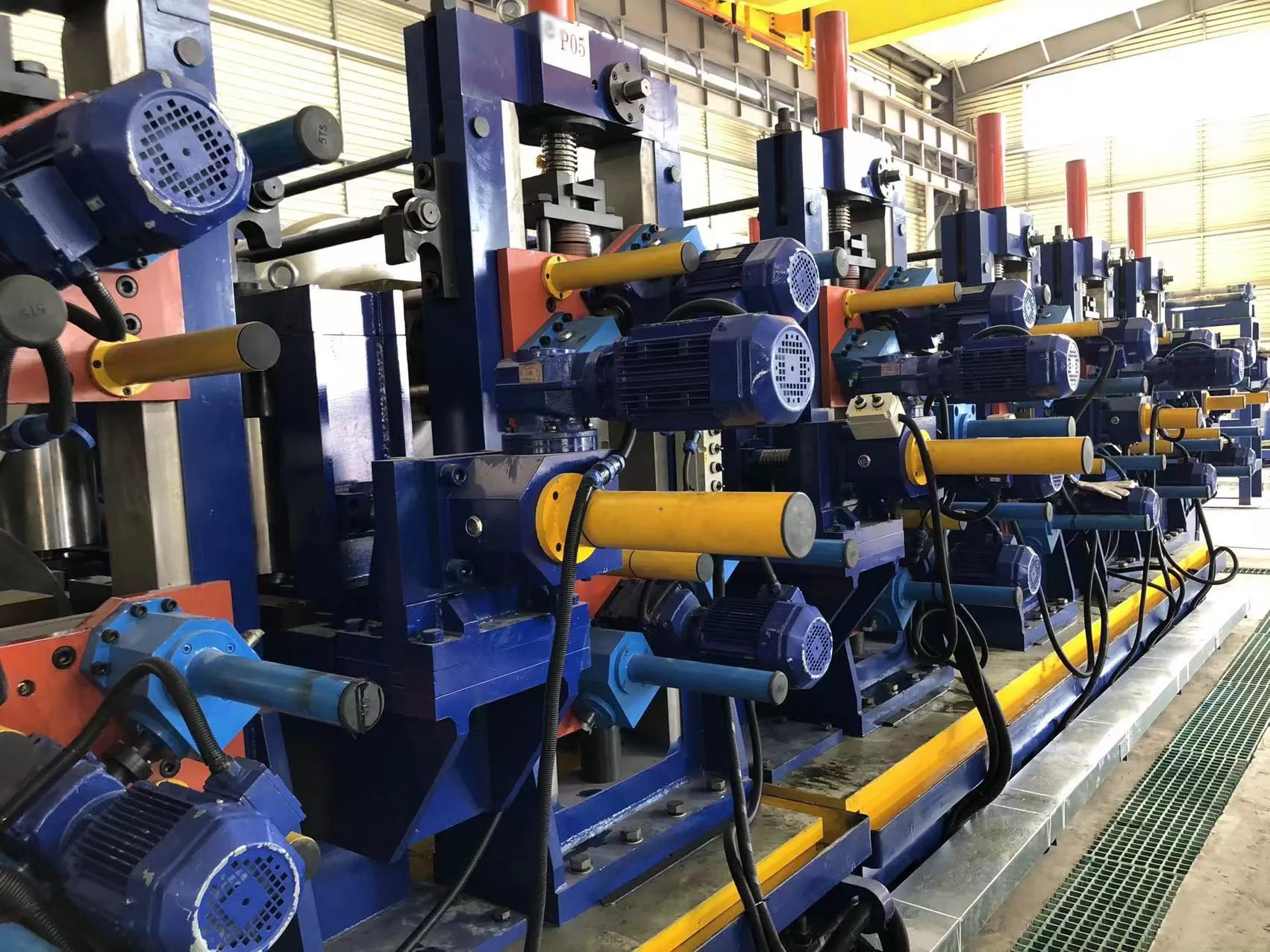 Laminoir à tubes ERW : Le guide complet d'ingénierie et de processus
 -
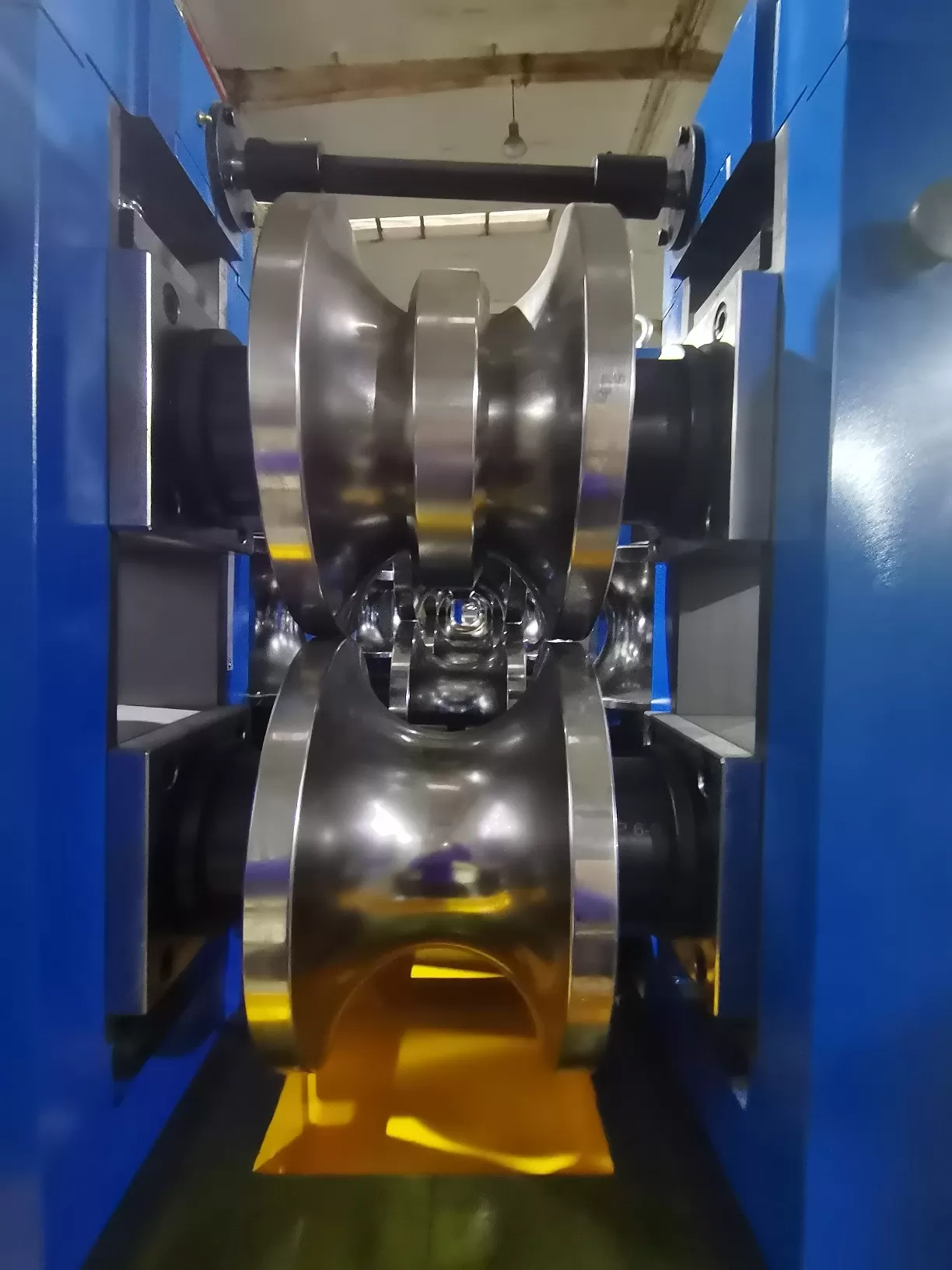 Top 7 fabricants mondiaux de machines de moulin à tubes ERW : Qui construit le meilleur ?
Nouveaux articles
Tags populaires