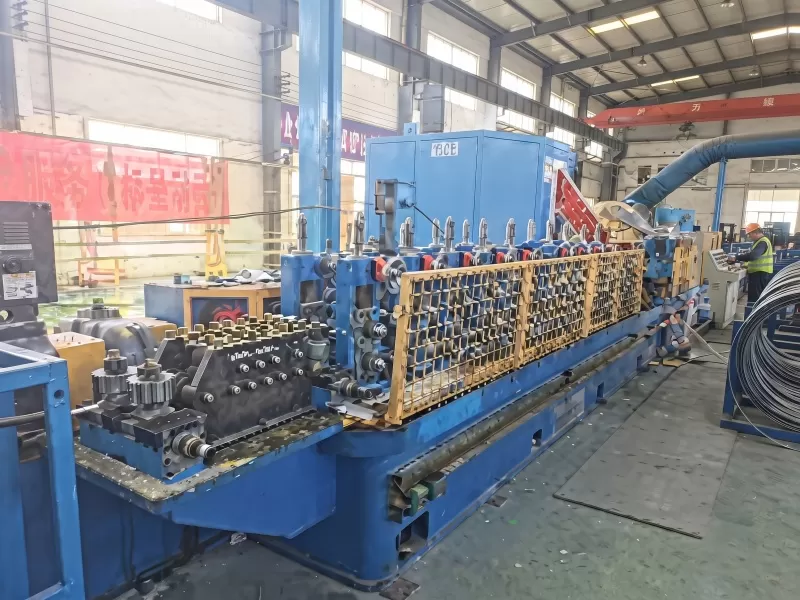
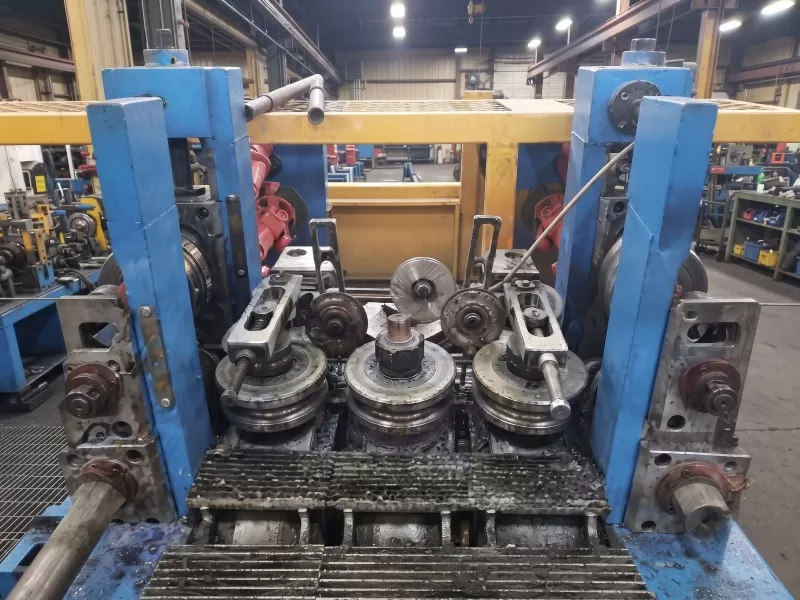
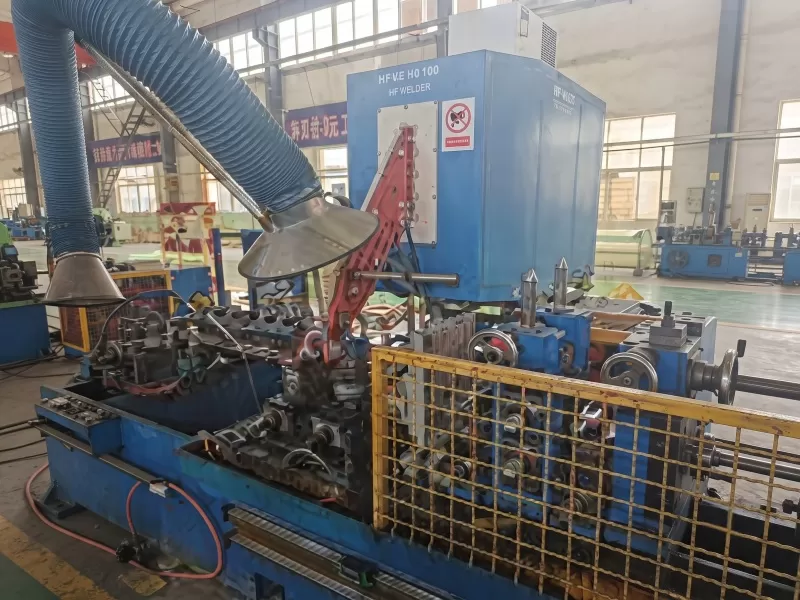
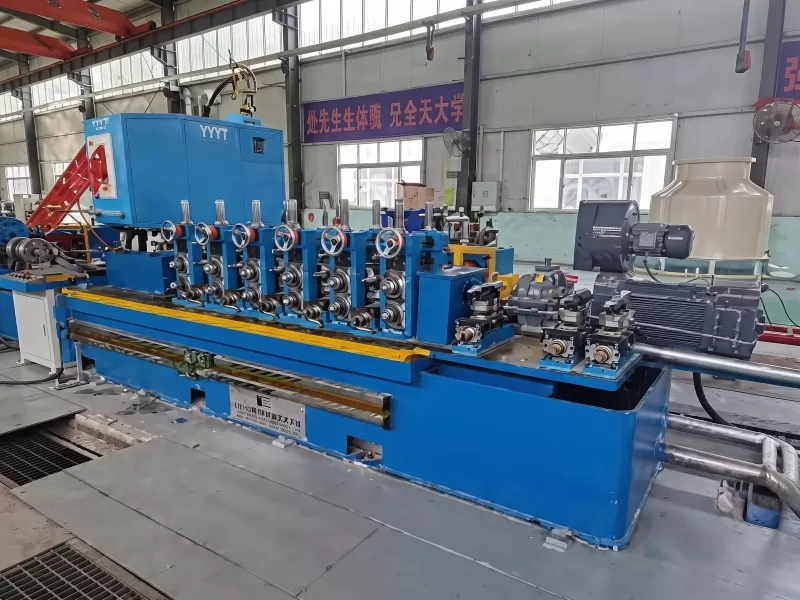
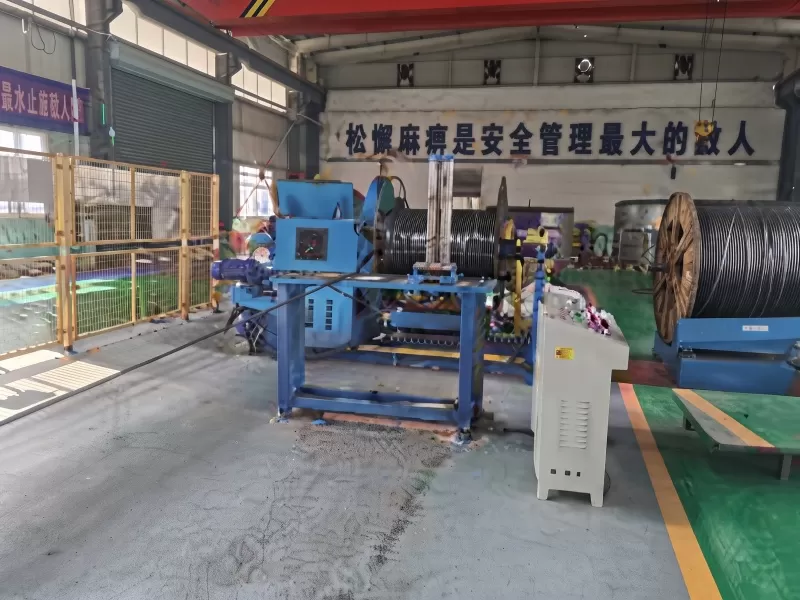
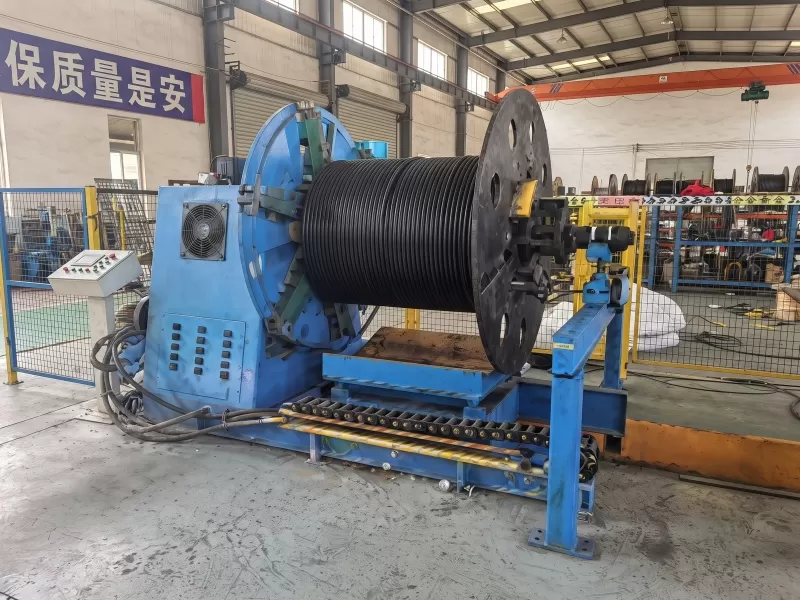
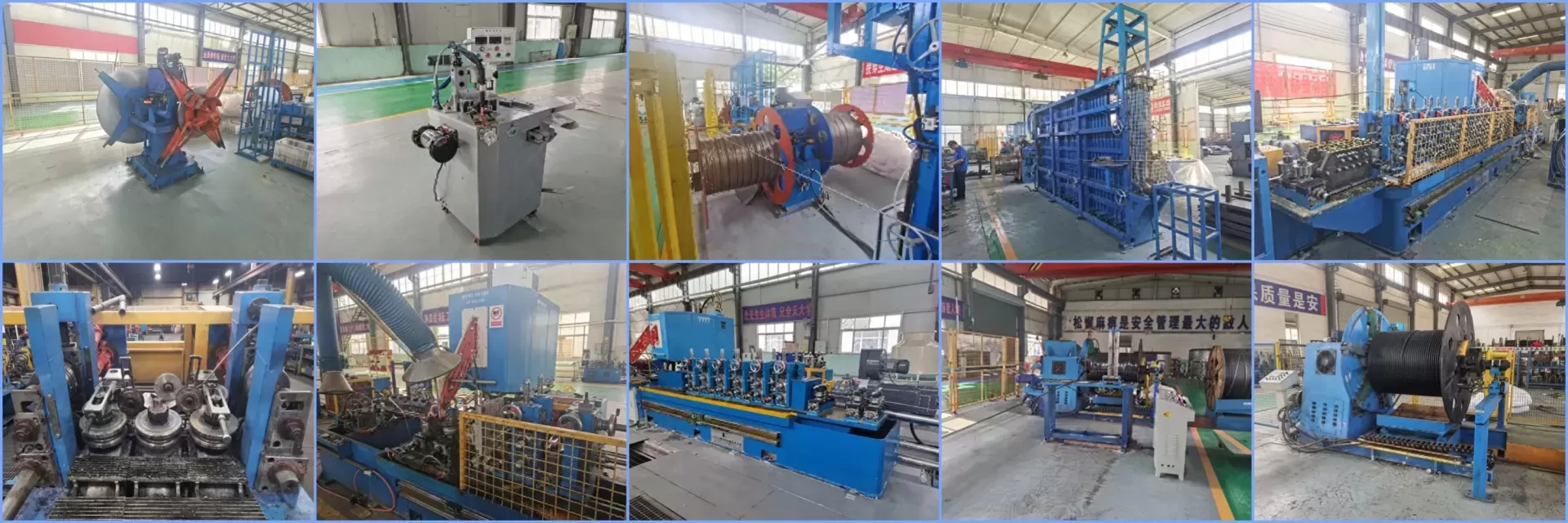
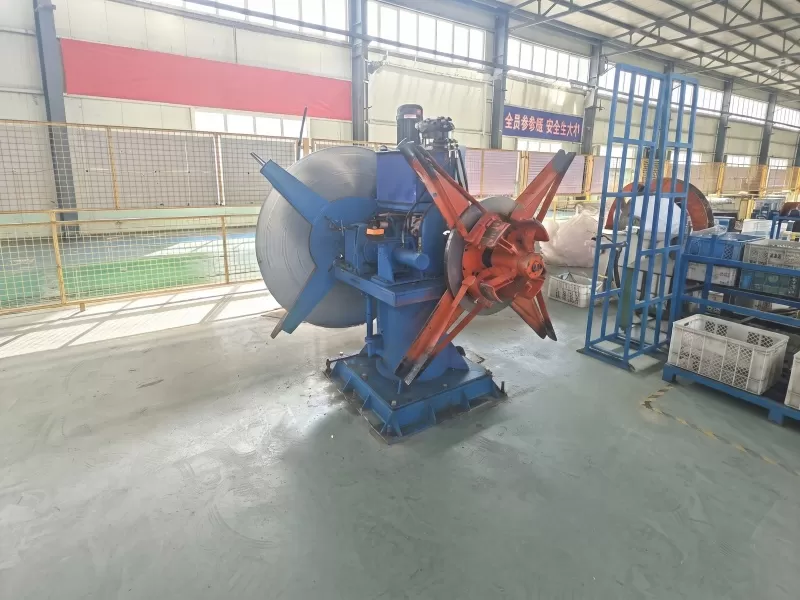
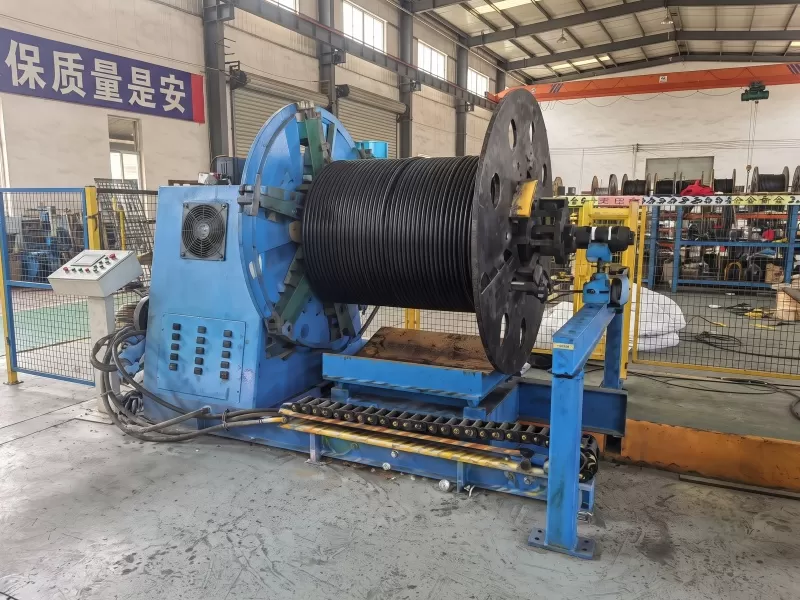
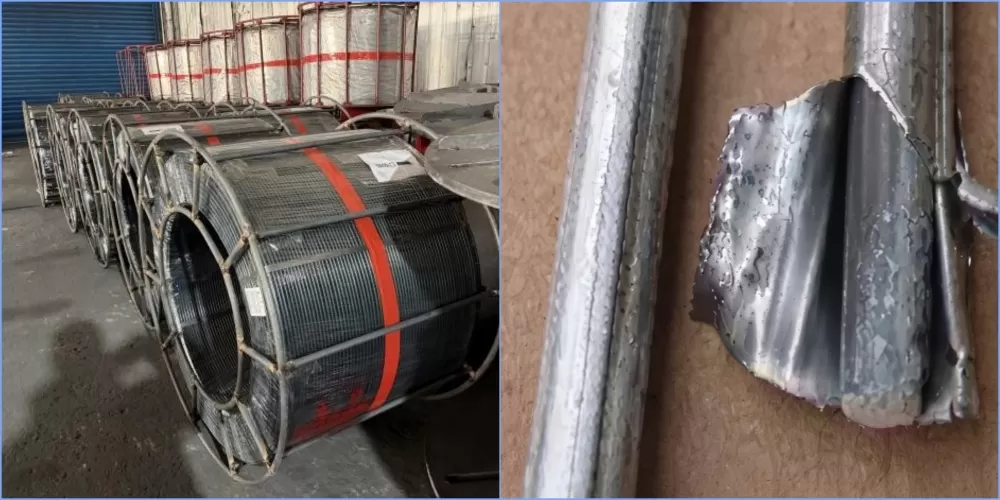
The solid calcium cored wire production line is designed for manufacturing seamless solid calcium cored wire used in steelmaking and foundry applications. The line integrates steel coil uncoiling, strip joining, calcium wire feeding, preforming, HF welding, calibration, laying, rewinding, and unloading. SANSO provides cored wire production line solutions for solid calcium cored wire as well as solid and flux cored wire products, helping buyers build a stable production process according to their required wire diameter, strip thickness, filler material, and final application.
1 The definition of solid calcium cored wire production line
Solid calcium cored wire production line is a specialized metallurgical equipment. Its core function is to tightly wrap high-purity calcium metal wire with a steel strip, continuously producing solid calcium cored wire for steel making applications.
2 Process Flow of the Seamless Solid Calcium Cored Wire Line
The standard process flow of the seamless solid calcium cored wire production line is as follows:
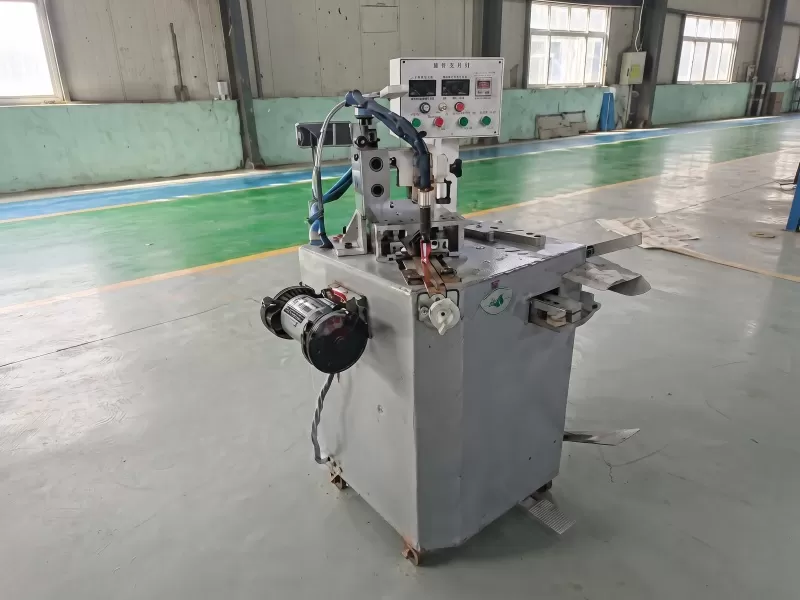
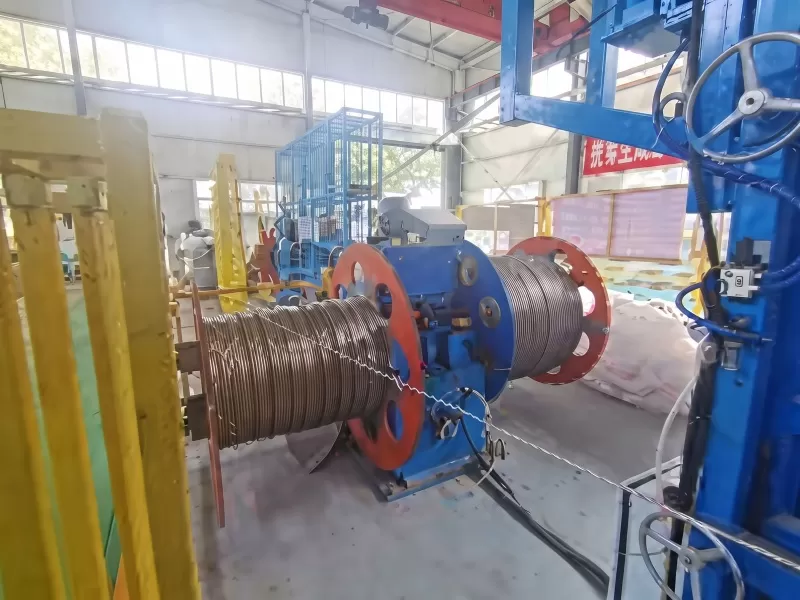
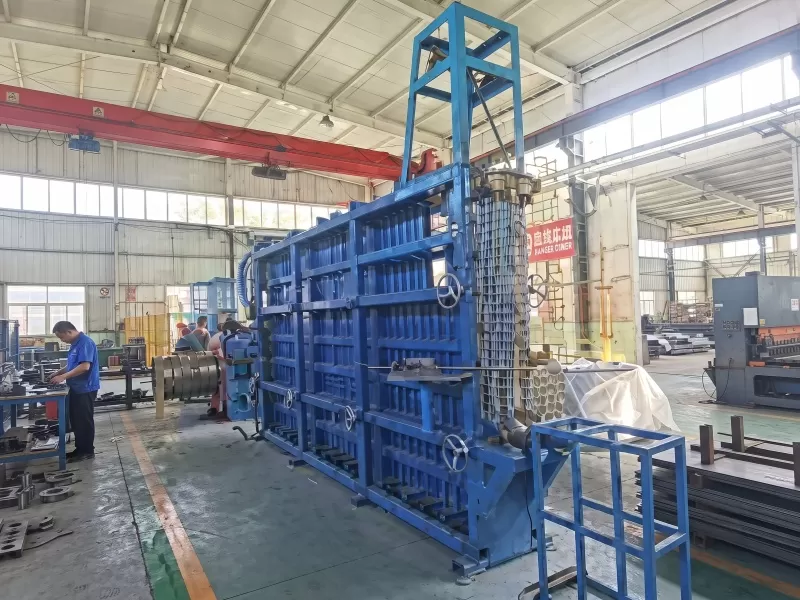
Steel coil uncoiler → Shear and end welder → Calcium wire uncoiler → Cage accumulator → Preforming machine → Calcium wire feeding unit → HF welder → Calibration machine → Solid calcium cored wire laying unit → Rewinder → Unloading car
Each section has a clear function in the production process.
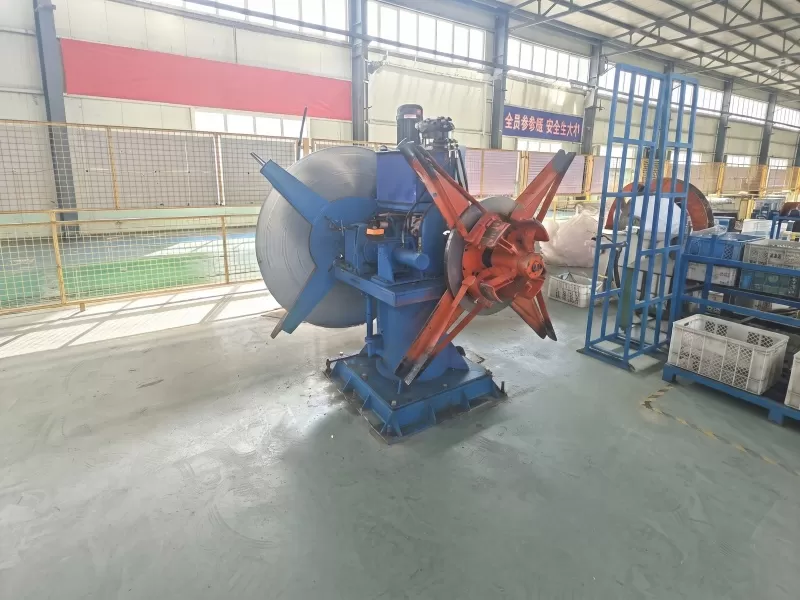
The steel coil uncoiler supports and releases the steel strip used as the outer sheath of the cored wire. Stable strip feeding is important because the following forming and welding sections depend on continuous and even material supply.
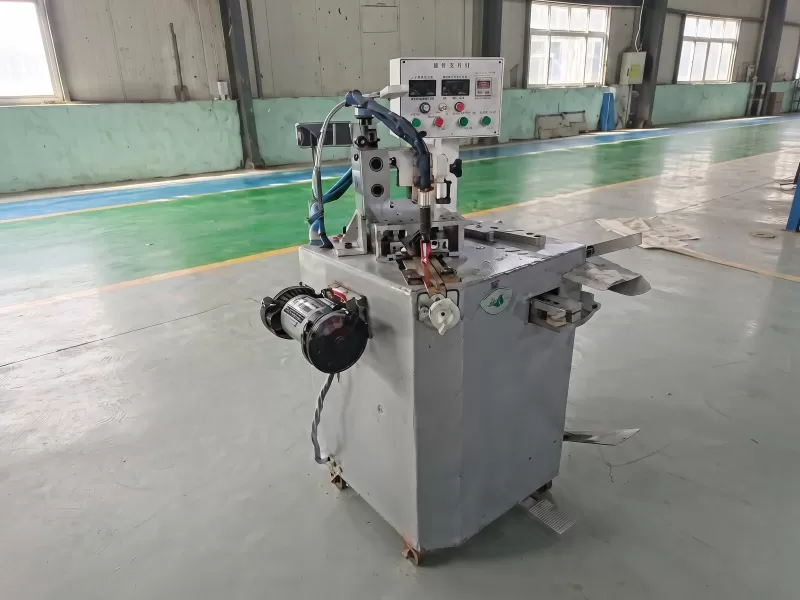
The shear and end welder is used to cut and join the strip ends. This helps reduce production interruption when changing coils and keeps the production line running more continuously.
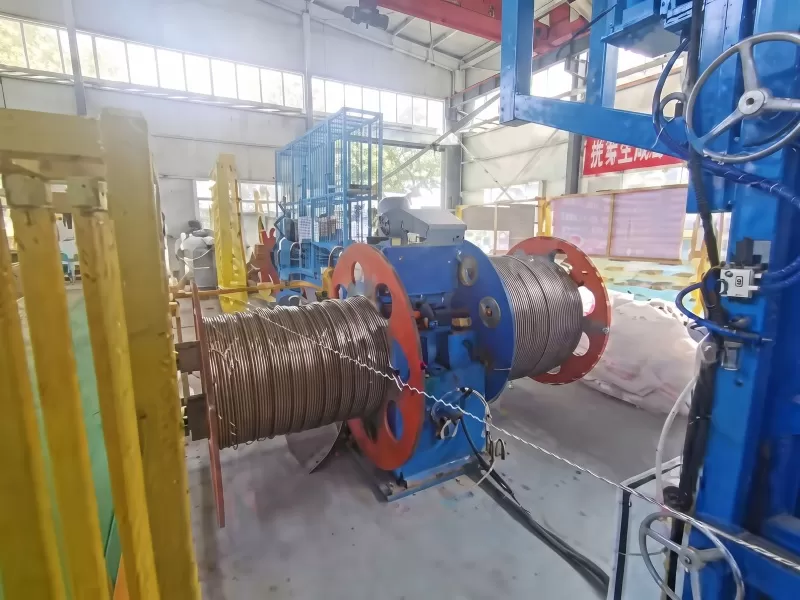
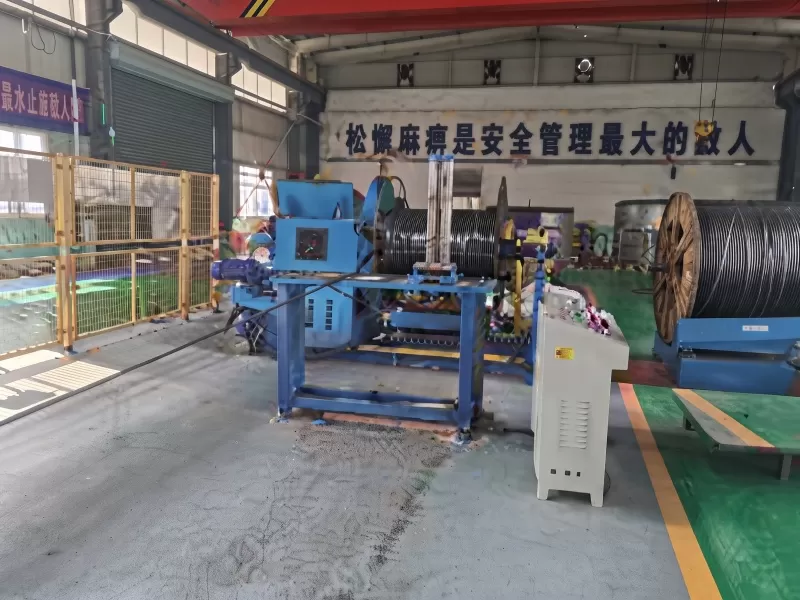
The calcium wire uncoiler releases the solid calcium wire used as the filler. Smooth calcium wire feeding is important because the filler needs to enter the formed steel strip accurately before HF welding.
(4)Cage Accumulator
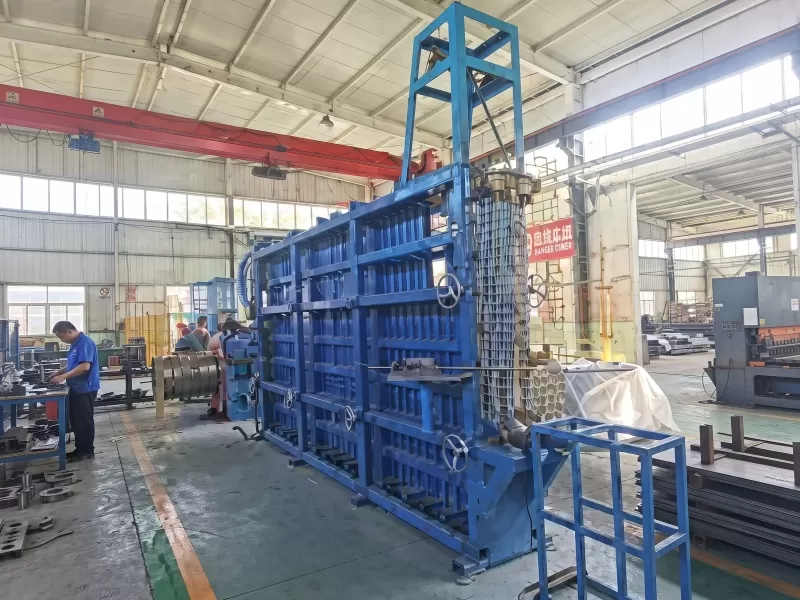
The cage accumulator stores strip material temporarily and helps balance the production rhythm between coil changing and continuous line operation. It is useful for improving production continuity and reducing frequent line stoppage.
(5)Preforming Machine
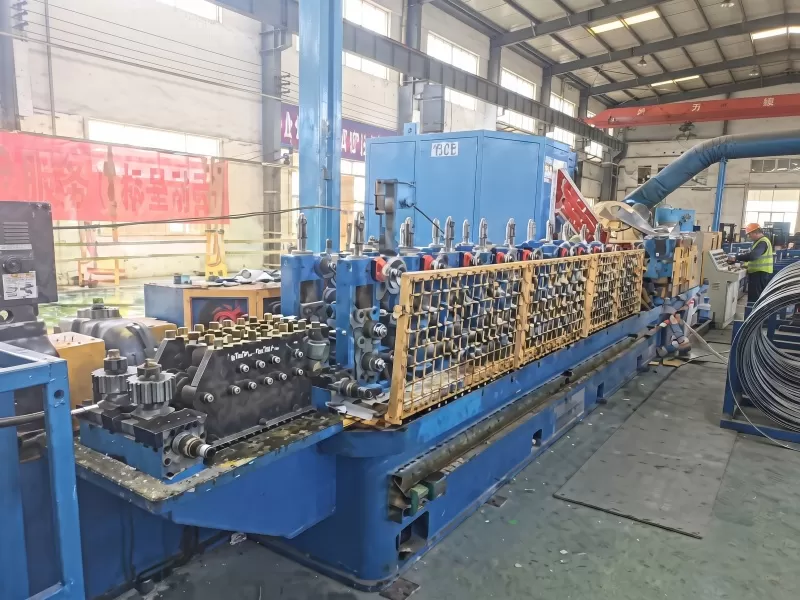
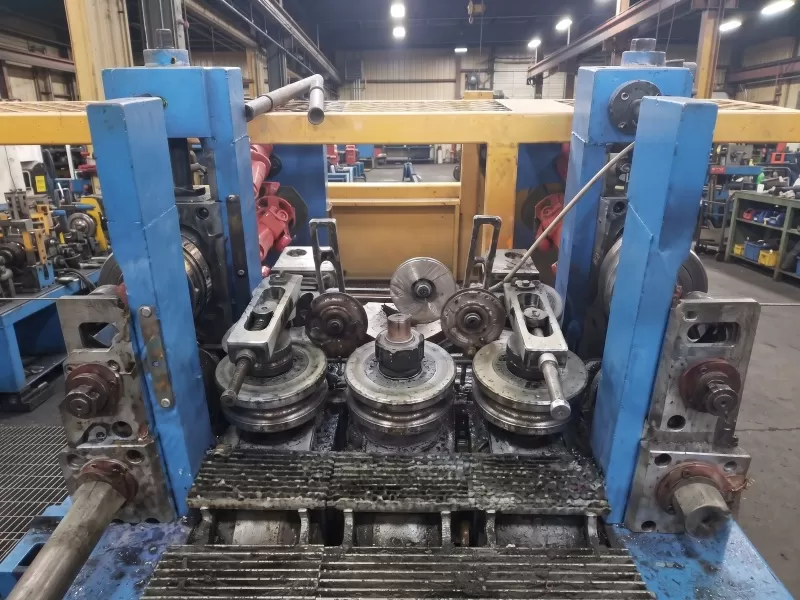
The preforming machine gradually shapes the steel strip before the calcium wire is fully enclosed. Proper preforming helps the strip wrap around the calcium wire smoothly and prepares the wire for stable seam welding.
(6)Calcium Wire Feeding Unit
The calcium wire feeding unit guides the calcium wire into the formed steel strip. This section must keep the filler position stable, because poor feeding may affect the final wire structure and sealing quality.
(7)HF Welder
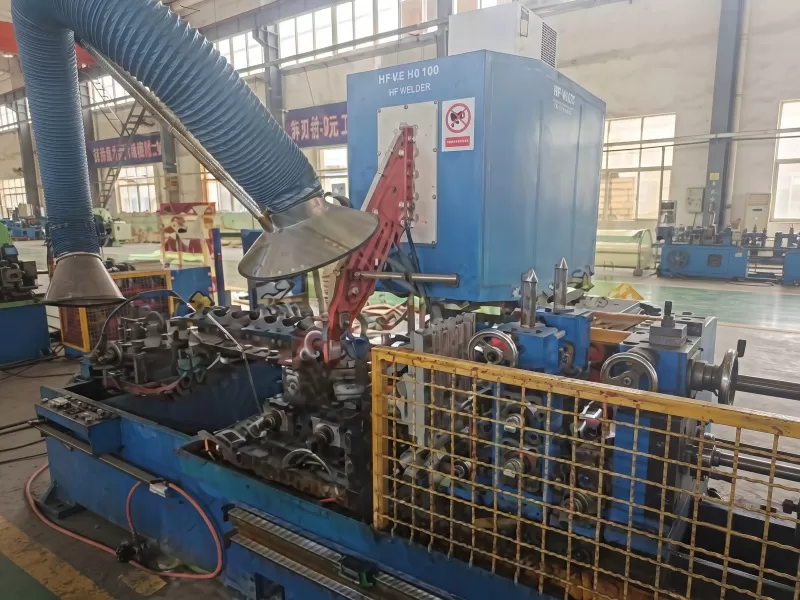
The HF welder seals the steel strip seam to form a seamless-type solid calcium cored wire. High-frequency welding is used to close the seam and create a stable outer sheath around the calcium wire.
(8)Calibration Machine
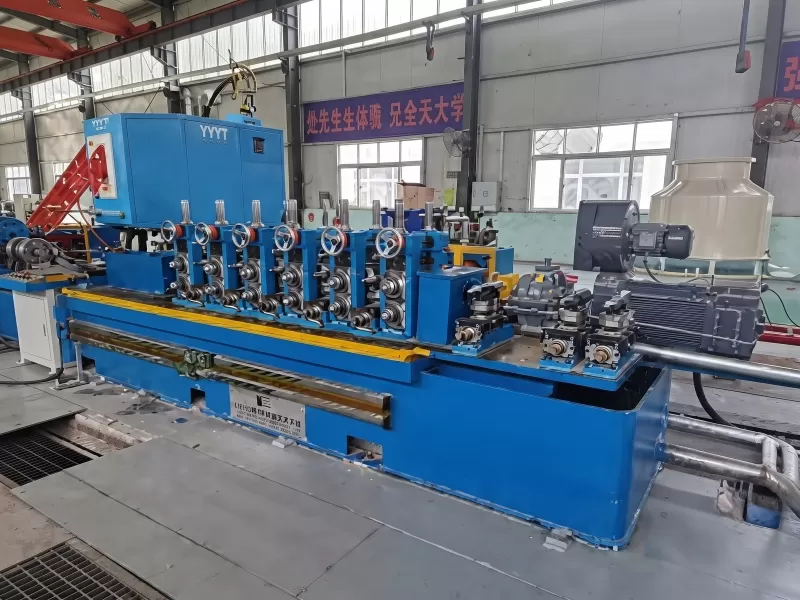
The calibration machine is used to control the final wire shape and diameter after welding. This helps improve dimensional consistency and makes the finished cored wire easier to rewind, handle, and use in later wire feeding applications.
(9)Solid Calcium Cored Wire Laying Unit
The laying unit arranges the finished wire before rewinding. Stable laying helps avoid uneven winding and supports better coil quality.
(10)Rewinder and Unloading Car
The rewinder collects the finished solid calcium cored wire into coils. The unloading car helps move the finished coil away from the rewinding section for packaging, storage, or further handling.
4 The video of solid calcium cored wire
Specification of Seamless Solid Calcium Cored Wire
The following specifications are based on the customer’s provided product information:
The actual line configuration can be discussed according to the buyer’s required wire diameter, strip thickness, filler type, production speed, coil size, and application requirements.
Applications of Solid Calcium Cored Wire
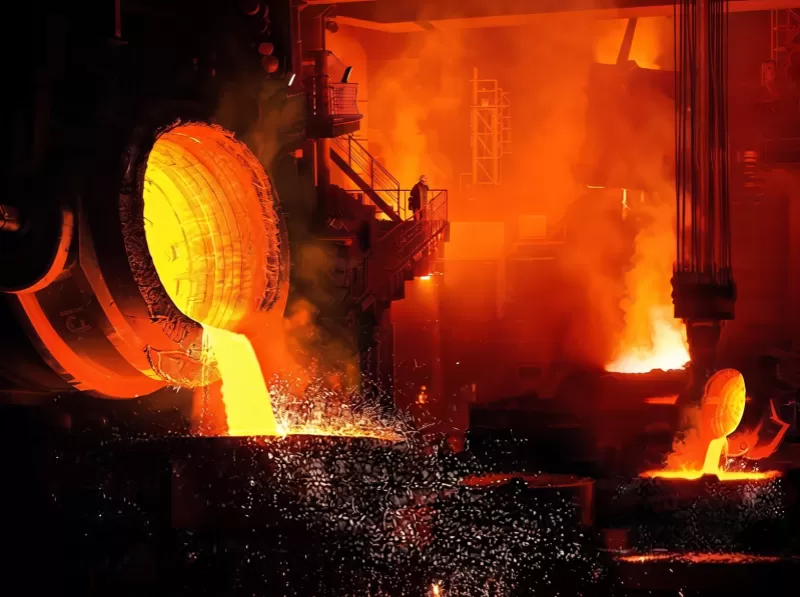
Solid calcium cored wire is mainly used in steelmaking and foundry applications. In steel plants, it is commonly used during secondary refining and calcium treatment.
(1)Refining the molten steel: Deep deoxidation and desulfurization to remove harmful inclusions.
(2)Optimizing the microstructure: Modifying inclusion morphology to enhance the comprehensive mechanical properties of the steel.
(3)Ensuring smooth production: Solving the problem of tundish nozzle clogging during continuous casting to guarantee production continuity.
(4)Improving cost-effectiveness: Compared with traditional methods, it offers higher elemental yield, more stable treatment performance, and lower overall costs.
This technology is an indispensable key process for producing high-quality steel grades, such as pipeline steel, automotive steel, and other critical applications.